Business Expert is an independent comparison site. Some partners may compensate us for promotion. This never affects our impartial evaluations based on fees, customer service, and product features.
Best Business Credit Cards UK: Fees, Limits & Benefits
No single card fits every business. The right choice turns on whether you carry a balance, clear monthly, and whether your bank offers a card at all.
Rates verified against provider pricing pages, 20 March 2026. All variable rates may change after publication.
Our Verdict
For most limited companies, Capital on Tap is the card we’d check first. It carries the highest published limits in the market, works alongside any business bank account, and pays 1% cashback. You can check your eligibility in minutes without denting your credit score.
What’s right shifts with how you pay. If you clear the balance every month the APR barely matters, so Amex or Funding Circle earn their place on rewards. If you carry a balance, Lloyds Business has the lowest representative rate here at 15.95%.
The catch is access. Several of the strongest cards need an existing business account or limited-company status, so sole traders and Starling, Tide or Monzo customers have far fewer options. Check eligibility before you fall for a headline rate you may never actually be offered.
A business credit card lets you carry a balance from month to month, with interest charged on whatever you do not repay. A charge card, including American Express Business Gold and Platinum, has to be cleared in full each month. That is why the table below marks the two Amex cards as charge cards: they are not directly comparable with the revolving credit cards on this list.
Card type, overseas fees and interest-free periods
Card
Card type
Overseas purchase fee
Interest-free period
Sole traders?
Capital on Tap
Credit card
None
Up to 42 days
No (Ltd/LLP only)
iwoca
Credit card
None
Up to 42 days
No (Ltd/LLP only)
Funding Circle Cashback
Credit card
None
Up to 42 days
No (Ltd only)
Barclaycard Premium Plus
Credit card
0.99%
6 months 0%, then up to 56 days
Yes
Lloyds
Credit card
2.95%
Up to 56 days
Yes
NatWest (standard)
Credit card
2.95%
Up to 56 days
Yes
NatWest Business Plus
Credit card
None
Up to 56 days
Yes
HSBC
Credit card
2.99%
Up to 56 days (38 if paying by Direct Debit)
Yes
Santander
Credit card
None
Up to 56 days
Yes
Metro Bank
Credit card
None in SEPA, 2.99% elsewhere
Up to 56 days
Yes
Amex Business Gold / Platinum
Charge card
2.99%
Pay in full monthly
No (Ltd/LLP only)
Confirm the figure that affects you before you apply: these overseas and interest-free terms are as published by each provider and checked in June 2026, and variable terms can change.
Detailed card reviews
Every Business Credit Card Reviewed
Check whether you can access a card at your bank before you fall in love with it. Most readers can’t access the bank-locked options, so the open-access cards appear first. Within each group we have ranked by cost, then by the specific scenario where each card actually earns its place.
One gap is worth flagging before you scroll. Capital on Tap advertises rates “from 9.9%”, but its own published credit agreement data shows the average rate actually offered is 46.05% (Q4 2025).
That is the difference between a market-leading card and one of the most expensive you can hold. Where similar advertised-versus-offered gaps appeared on other cards, we flag them in the review.
Capital on Tap Business Credit Card
Best for high credit limits without switching banks
Rep. APR34.9% variable
Annual Fee£0 / £299
Best for high credit limits without switching banks
Capital on Tap Business Credit Card
The highest credit limits in the UK business card market, no bank account requirement, and no FX fees.
Best for: Limited companies needing £25k–£250k credit without switching bank
Watch out: Typical offered rates are much higher than the 13.86% floor. Sole traders excluded. A personal guarantee is required from a director or 25%+ shareholder, so the debt is personally backed.
Floor APRFrom 13.86% variable
Representative APR34.9% variable
Annual Fee£0 (free card) / £299 (Pro card)
Existing AccountNo existing account required
Eligibility: UK limited companies and LLPs only. Min £24k turnover.
Watch out: Typical offered rates are much higher than the 13.86% floor. Sole traders excluded. A personal guarantee is required from a director or 25%+ shareholder, so the debt is personally backed.
Credit limits up to £250,000
No existing bank account required
1% cashback on all spend
No FX fees on overseas purchases
Instant virtual card on approval
No annual fee (free tier)
Average offered rate is 46.05% (source: CoT credit agreement data Q4 2025), far above the 13.86% floor
Sole traders excluded, limited companies and LLPs only
Best for: Limited companies wanting cashback without needing a specific bank account
Watch out: 34.9% representative APR is significantly higher than the traditional bank cards. Limited companies only, minimum 1 year trading and £30k turnover. The card can’t be used for cash withdrawals or gambling transactions.
Not ideal if: You’re a sole trader (excluded) or you carry a balance regularly (APR is high)
Representative APR34.9% variable Interest from 14.9% p.a.
Annual Fee£0 No annual fee
Cashback2% first 6 months, then 1% uncapped 2% capped at £2,000 cashback
Existing AccountNo existing account required
Eligibility: UK limited companies only. Min 1 year trading, £30k+ turnover. fundingcircle.com.
Not ideal if: You’re a sole trader (excluded) or you carry a balance regularly (APR is high)
Watch out: 34.9% representative APR is significantly higher than the traditional bank cards. Limited companies only, minimum 1 year trading and £30k turnover. The card can’t be used for cash withdrawals or gambling transactions.
2% cashback for the first 6 months, then 1% uncapped
No existing bank account required
No annual fee
Online application with soft-search eligibility check
34.9% representative APR, significantly higher than traditional bank cards
Limited companies only, sole traders and partnerships excluded
Minimum 1 year trading and £30,000+ turnover required
Best for: Santander business customers issuing 3+ employee cards
Watch out: Restricted to Santander 1|2|3 business current account holders. Personal guarantees required. The 1% cashback excludes balance transfers, cash withdrawals and refunds.
Not ideal if: You don’t bank with Santander and won’t switch
Representative APR23.7% variable
Purchase Rate18.9% p.a. variable
Annual Fee£30 per account Single fee covers all cardholders
Existing AccountSantander business account required
Eligibility: Santander business current account required. Max 2 directors/partners. £500–£25k limits.
Not ideal if: You don’t bank with Santander and won’t switch
Watch out: Restricted to Santander 1|2|3 business current account holders. Personal guarantees required. The 1% cashback excludes balance transfers, cash withdrawals and refunds.
Flat £30 per-account fee covers all cardholders, better value for teams
1% cashback on all spend
23.7% representative APR, mid-range
18.9% purchase rate
Santander 1|2|3 Business Current Account required
Personal guarantees required
Maximum 2 directors or partners on the account
Credit limits £500 to £25,000
1% cashback on all spend
£30 annual fee per account (covers all cardholders)
Representative APR 23.7% variable
Purchase rate 18.9% p.a. variable
Lloyds Bank Business Credit Card
Lowest representative APR on the market
Rep. APR15.95% variable
Annual Fee£32 per cardholder
Lowest representative APR on the market
Lloyds Bank Business Credit Card
The lowest representative APR available in the UK business credit card market.
Best for: NatWest customers who spend mainly in the UK and want a low-fee card with a little fuel cashback
Watch out: 2.95% fee on non-sterling transactions, so it is not the card for overseas spend. The £30 per-cardholder fee also stacks up for teams unless each card hits £6k+ spend.
Not ideal if: You spend overseas (the Business Plus card drops the FX fee), or you don’t bank with NatWest
Representative APR24.3% variable
Purchase Rate16.9% p.a. variable
Annual Fee£30 per cardholder Waived at £6k+ annual spend per card
Existing AccountNatWest business account required
Eligibility: Turnover under £2m. NatWest business current account required.
Not ideal if: You spend overseas (the Business Plus card drops the FX fee), or you don’t bank with NatWest
Watch out: 2.95% fee on non-sterling transactions, so it is not the card for overseas spend. The £30 per-cardholder fee also stacks up for teams unless each card hits £6k+ spend.
No FX fees on overseas card purchases
£30 annual fee waivable at £6,000+ annual spend
16.9% purchase rate
0% APR on purchases for first 3 months
NatWest business current account required
24.3% representative APR
£30 per-cardholder fee stacks up for teams unless each hits the waiver
No rewards or cashback programme
0% on purchases for the first 3 months
No FX fees on overseas purchases
£30 per-cardholder fee (waived at £6k+ annual spend)
Purchase rate 16.9% p.a. variable
HSBC Business Credit Card
Worth it if you already bank with HSBC
Rep. APR22% variable
Annual Fee£32 per card
Worth it if you already bank with HSBC
HSBC Business Credit Card
Competitive purchase rate, but the annual fee isn’t waivable after year one.
Best for: High-spend businesses (£10k+/month) that travel frequently and value lounge access
Watch out: Highest annual fee of any UK business card. Only viable at scale.
Not ideal if: Your monthly spend is under £5k, or you rarely travel internationally
Annual Fee£650/yr (+£295 supplementary)
RewardsMR points + 10k bonus per £10k/month
Card TypeCharge card with Flexible Payment Option
Existing AccountNo existing account required
Eligibility: Limited companies and LLPs only (sole traders and partnerships no longer eligible since January 2026). Check americanexpress.com/uk.
Not ideal if: Your monthly spend is under £5k, or you rarely travel internationally
Watch out: Highest annual fee of any UK business card. Only viable at scale.
Centurion lounge access worldwide
Highest reward earn rate among UK business cards
Comprehensive travel insurance
MR points transferable to Avios, hotel, and airline partners
£650/year annual fee (£295 for supplementary cards)
~40% of UK merchants do not accept American Express
Charge card, balance must be paid monthly
Only viable at high monthly spend volumes (£10,000+/month)
£650/year (£295 supplementary card)
MR points + 10,000 bonus per £10,000/month
Centurion lounge access
Transfer to 18+ airline and hotel partners
Charge Cards and Other Business Credit Card Options
Charge cards require you to pay the full balance every month, so they sit apart from the revolving credit cards ranked above. They are listed separately here alongside niche and regional variants.
If you already clear your card monthly you lose nothing by using one, but you gain nothing worth a higher annual fee either, and you can never spread a large purchase over two or three months.
The risk most charge card guides skip is the suspension mechanism. On Amex Business Gold and Platinum, a missed payment triggers a £12 fee. Miss a second within 60 days and Amex can suspend your account; reinstatement costs £95 (source: americanexpress.com).
On a standard credit card, a missed payment costs you interest and a late fee. On Amex it can lock you out of the account that is paying your suppliers, on the week your direct debit lands the wrong side of a client invoice.
Before you commit, make sure your cash flow can always cover the full balance on collection day.
Lloyds Bank Business Charge Card
Charge card alternative to the Lloyds credit card
Annual Fee£32/card
Card TypeCharge card
Charge card alternative to the Lloyds credit card
Lloyds Bank Business Charge Card
The Lloyds charge card enforces full monthly repayment by direct debit.
Annual Fee£32/card (free yr 1, waived at £6k+ spend)
Card TypeCharge card (full balance monthly by DD)
Best for: Lloyds business customers who want to use 56-day float without any risk of accumulating debt
Watch out: £32/card annual fee applies after year one unless you hit £6k+ spend per card. Full balance collected by direct debit, so ensure your account can cover it.
Not ideal if: You need the flexibility to spread payments across months, or your cash flow is unpredictable
Annual Fee£32/card (free yr 1, waived at £6k+ spend)
Card TypeCharge card (full balance monthly by DD)
Interest-Free PeriodUp to 56 days on purchases
Existing AccountLloyds business account required
Eligibility: Sole traders, partnerships, limited companies. Lloyds business current account required.
Not ideal if: You need the flexibility to spread payments across months, or your cash flow is unpredictable
Watch out: £32/card annual fee applies after year one unless you hit £6k+ spend per card. Full balance collected by direct debit, so ensure your account can cover it.
Up to 56 days interest-free on purchases
Annual fee waived when card spend reaches £6,000 per year, potentially free to run
First year free regardless of spend
Full monthly clearance via direct debit removes missed-payment risk
Lloyds Bank business current account required
No rewards programme, charge card with no cashback or points
£32/card annual fee applies on any card spending under £6,000/year
LLPs not listed as accepted entity, verify current eligibility at lloydsbank.com
Up to 56 days interest-free on purchases
£32/card annual fee (free year 1; waived at £6,000+ spend)
Mandatory full monthly clearance by direct debit
Lloyds business account required
Barclaycard Select Charge Card
Charge card with no bank account requirement
Annual Fee£42 per account
Card TypeCharge card
Charge card with no bank account requirement
Barclaycard Select Charge Card
The only charge card on this list that doesn’t require an existing business current account.
Best for: RBS business customers spending £2k+/month who want tiered cashback and no FX fees
Watch out: £70 annual fee per cardholder. Cashback capped at £600/year. 29% APR if you carry a balance.
Not ideal if: You don’t bank with RBS, or your monthly spend is too low for the cashback to cover the £70 fee
Representative APR29% variable
Annual Fee£70 per cardholder
Cashback0.5%–3% tiered (capped £600/year) 0.5% all spend; 1% travel; 2% trade supplies; 3% fuel & EV charging
FX FeesNo foreign transaction charges
Existing AccountRBS business account required
Eligibility: Sole traders, partnerships, limited companies, LLPs. RBS business account required.
Not ideal if: You don’t bank with RBS, or your monthly spend is too low for the cashback to cover the £70 fee
Watch out: £70 annual fee per cardholder. Cashback capped at £600/year. 29% APR if you carry a balance.
No foreign transaction charges, verified against rbs.co.uk
Tiered cashback: 3% on fuel and EV charging, 2% on trade supplies, 1% on travel, 0.5% everywhere else
Same terms and product infrastructure as NatWest Business Plus (NatWest Group)
£70 per cardholder annual fee
29% representative APR, carrying a balance will be expensive
RBS business current account required
Cashback capped at £600/year across all spend categories
0.5%–3% tiered cashback (capped £600/year)
No foreign transaction charges
£70/year per cardholder
29% representative APR
How Much Does a Business Credit Card Actually Cost?
We ran the numbers on every card at three realistic spending levels before comparing headline rates, because the headline rate misleads more than it informs. A “free” card can cost you more than a card with a £195 annual fee, depending on how you use it.
We checked the calculations against each provider’s published representative example, not just the rate they advertise.
If you spend £3,000 a month and clear the balance in full, your APR is irrelevant. You pay zero interest.
In that scenario, a no-fee card like Barclaycard costs you nothing, while an Amex Business Gold card costs £195 per year but earns you roughly £360 in Membership Rewards points. The Amex is cheaper in net terms, even with the fee.
If you carry £5,000 of revolving debt, the APR is everything. At Lloyds’ 14.9% purchase rate, you’d pay roughly £745 a year in interest. At Barclaycard’s 25.5%, that same £5,000 balance costs you £1,275 a year.
At Capital on Tap’s average offered rate of 46.05%, you’re looking at £2,303. The difference between the cheapest and most expensive option is £1,558 a year on the same balance.
Most guides assume you will clear monthly. Around 84% of micro-businesses do, on UK Finance figures, but that average hides sharp sector differences. In construction, only 35% clear monthly.
Construction owners aren’t careless with credit. They carry a balance because project payment terms run 30 to 60 days and the card statement lands before the client pays. The same is true for any sector where you fund stock or labour before the invoice clears.
When your cash flow is lumpy, the APR isn’t theoretical. It is the cost of the gap between when you spend and when you get paid, paid month after month while you wait on someone else’s finance team.
Foreign exchange fees are the third quiet cost. At HSBC’s 2.99% FX rate, £1,000 a month in overseas spend costs you £359 a year. On NatWest or Capital on Tap, both at 0% FX on purchases, the same spend costs nothing.
If a meaningful share of your spend is overseas, the FX saving on NatWest can outweigh a lower APR elsewhere. That is one of the trade-offs the at-a-glance table cannot show you on its own.
Scenario
Lowest cost card
Annual cost
Highest cost card
Annual cost
Clear £3k/month in full, no overseas spend
Barclaycard (no fee)
£0
Amex Platinum (£650 fee)
£650
Carry £5k balance, no overseas spend
Lloyds (14.9% purchase rate)
£777*
Capital on Tap (avg 46.05%)
£2,303
Clear monthly, £1k/month overseas
NatWest (0% FX)
£30 fee
HSBC (2.99% FX)
£391
Clear £6k/month, want rewards
Amex Gold (net of rewards)
Earns ~£525
No-reward card
£0 earned
*If you’re considering Lloyds, account for: £32 annual fee (waived at £6k+ annual spend). Interest calculated on £5,000 at 14.9% purchase rate.
When we worked through total cost at each spending level, we found APR on its own explained very little. Total cost depends on whether you carry a balance, how much you spend overseas, and whether you earn enough rewards to offset a fee.
Two cards with very different APRs can leave the same business better or worse off, depending on which of those three factors apply.
The rankings on this page already factor all three in.
The Bank Account Barrier: Why Most Cards Are Off-Limits
Bank eligibility matters more than any rate. Seven of the twelve cards we reviewed require an existing business current account with the issuing bank, and most comparison sites bury that fact in a footnote. Comparing twelve cards when you can only apply for four is wasted reading.
If you bank with Starling, Tide, Monzo, or any challenger, five of the cheapest options on this page are invisible to you. Lloyds, HSBC, NatWest, Santander, and Metro Bank all require a business current account with them before you can even apply.
Without switching banks (verified March 2026), your options narrow to Barclaycard, Capital on Tap, Moss, Funding Circle, and the three Amex cards. Everything else needs a specific banking relationship.
Account for the cost of that lock-in honestly. On a £5,000 carried balance, Lloyds at 15.95% against Barclaycard at 25.5% is roughly £40 a month in extra interest.
Switching business bank accounts takes two to four weeks and requires a clean credit history. The saving has to be worth disrupting a working setup.
Card
Bank account required?
Which bank?
Capital on Tap
No
Any
Barclaycard Select Cashback
No
Any
Funding Circle
No
Any
Moss
No
Any
Amex Business Gold / BA Amex / Platinum
No
Any
Barclaycard Charge Card
No
Any
Lloyds
Yes
Lloyds business current account
HSBC
Yes
HSBC business current account
NatWest
Yes
NatWest business current account
Santander
Yes
Santander 1|2|3 business current account
Metro Bank
Yes
Metro Bank business current account
If you already bank with one of the big five, check their card before anything else. You will almost certainly get a lower APR than any open-access alternative.
If you don’t, skip the bank-locked cards and start at the open-access section. There is no point being charmed by a Lloyds rate you cannot access.
If your supplier invoices land before your client pays and you need to bridge the gap on a card, the bank account you opened two years ago may be costing you hundreds in avoidable interest. That is the quiet cost of staying put.
Business Credit Card Limits: What You Can Actually Get
Your actual credit limit will rarely match the advertised range. The ranges themselves are almost meaningless on their own. Capital on Tap says “up to £250,000”; most traditional banks say “£500 to £25,000.” Lloyds, HSBC, NatWest, Santander, and Metro Bank all cap at £25,000 per card, no exceptions.
What you will actually be offered depends on turnover, trading history, credit profile, and the provider’s risk appetite that week. When we compared starting offers across provider types, we found the gap between the advertised ceiling and the actual opening limit is widest at the big five banks.
A limited company with £200k turnover and clean credit can expect a starting limit between £5,000 and £15,000. A sole trader with £50k turnover is more likely to see £1,000 to £5,000.
If those numbers feel low for the spend you actually put through a card, that is a real planning problem, not a curiosity.
Capital on Tap is the outlier. When we reviewed facilities available to businesses needing above the £25k bank card cap, we found Capital on Tap to be the only open-access card where limits at that level are routinely on offer. Their published ceiling is £250,000.
The minimum turnover requirement is £24,000 and the limit is algorithmically set, so two similar-looking businesses can be offered very different limits without explanation.
On an Amex charge card you won’t see a pre-set spending limit, but don’t read that as unlimited. Amex sets a moving ceiling based on your spending history, payment reliability, and account standing.
A large supplier invoice that more than doubles your usual month can be declined at the till. Plan around that, not against it.
The right question to start with is how much credit you actually need. If you need more than £25,000 in revolving credit, your options are Capital on Tap or a commercial credit facility from your bank, which is a different product entirely.
If you need £5,000 to £15,000, most cards on this list can accommodate that. If you need less than £5,000, almost any card will do, and your decision should be driven by APR and fees, not the limit on the marketing page.
Applying for a Business Credit Card: What to Expect
When you apply for a business credit card, the provider runs a credit check, usually a hard search on both your personal credit file and your business credit file. The mark that hard search leaves stays visible to other lenders for 12 months.
Multiple applications in quick succession reduce your approval odds because each subsequent lender sees the earlier searches and reads them as urgency. We confirmed this against Experian’s business credit guidance in March 2026.
We checked all twelve providers for soft-search eligibility options. Capital on Tap, Funding Circle, and some Amex products offer pre-checks that flag whether you’re likely to be approved, and a soft search doesn’t touch your credit file. Use them before you commit to a full application.
Recent history matters more than older history. If you have moved house, changed your business address, taken on other credit, or missed a payment in the last six months, your approval odds drop. Lenders price stability and read change as risk.
Trading history shapes both your rate and your limit. When we reviewed approval terms across the bank-locked cards, we consistently found that two or more years at the same address with clean credit produced materially better offers than businesses with shorter histories at the same turnover.
Sole traders get the worst deal in this market. There are roughly 4.1 million sole traders in the UK, the largest business demographic by number, yet they have the fewest credit card options. Capital on Tap and Funding Circle both exclude sole traders outright.
A sole trader on Tide or Starling has two revolving credit options. Barclaycard at 25.5% and whatever rate Amex offers on the day. That is the entire menu.
Limited companies face different criteria. Providers check both your personal credit and the company’s file at Companies House. Most cards require a personal guarantee, which makes you personally liable for the balance if the business can’t pay.
Read that personal guarantee line in the credit agreement before you sign, not after.
On speed, Capital on Tap and Moss issue instant decisions online, with virtual cards available immediately. Traditional bank cards take 5 to 10 working days (Lloyds, HSBC).
Metro Bank still requires an in-branch appointment. Amex sits in the middle at 2 to 5 working days, longer if they ask for additional documents.
What Business Credit Card Comparison Sites Miss
APR and cashback are not enough to compare on. Every UK business credit card comparison we reviewed ranks by rate and stops there, and in doing so misses three things that actually decide whether you end up with a useful card or an expensive mistake:
Bank eligibility. More than half the cards on a typical comparison page are unavailable to challenger-bank customers before rate even enters the picture (see the bank account barrier above).
Advertised versus offered rates. The number on the marketing page isn’t the number on your statement. Capital on Tap advertises “from 9.9%”; the average offered is 46.05%.
Section 75 protection. Business cards are excluded, so they carry less legal protection than the personal card in your pocket, and almost no comparison flags it.
If your comparison doesn’t account for access, actual rates, and protection, it isn’t a comparison. It is a rate list. That is the gap we built this page to close for the business owner doing the choosing.
Which Business Credit Card Fits Your Situation?
Start with what you can access, then narrow by how you pay. The table below maps the six most common situations to a starting point; your bank eligibility, covered above, usually halves the field before rate even matters.
One extra filter if you are drawn to Amex for rewards or Avios: around 40% of UK merchants still don’t take American Express (source: Amex published acceptance data).
Most businesses on an Amex card end up holding a second Visa or Mastercard for the suppliers who refuse it, which means an annual fee on top of an annual fee.
Your situation
Best starting point
You carry a balance and want the lowest rate
Check if your bank offers a card first (Lloyds 15.95%, HSBC 22%). If not, Barclaycard at 25.5% is your open-access option.
You clear monthly and want cashback
Funding Circle (2% intro, then 1%) or Capital on Tap (1%). Both open-access.
You bank with a challenger (Tide, Starling, Monzo)
Barclaycard, Capital on Tap, Moss, or Funding Circle. The five bank-locked cards are off-limits without switching.
You need cards for multiple employees
Santander (£30 flat fee covers all cards) or Moss (spend controls built in).
You fly BA regularly and want Avios
BA Amex Accelerating. But confirm your suppliers accept Amex first.
You need £25k+ credit
Capital on Tap (up to £250k) or a commercial credit facility from your bank.
Business Credit Card FAQs
Can I get a business credit card as a sole trader?
Yes, but your options narrow considerably. Barclaycard, Lloyds, HSBC, NatWest, Santander and Metro Bank accept sole traders. American Express dropped sole traders from its Business Gold and Platinum cards in January 2026, so both are now limited companies and LLPs only. Capital on Tap and Funding Circle exclude sole traders too, both require a limited company. See: best business credit cards for sole traders.
Do I need a business bank account to get a business credit card?
For most traditional bank cards, yes. Five of the six bank-issued cards on this list require a business current account with that bank. The exceptions are Barclaycard, all fintechs (Capital on Tap, Moss, Funding Circle), and Amex. If you bank with Starling, Tide, or Monzo, those are your only options.
What credit limit can I get on a business credit card?
Traditional bank cards typically offer £500–£25,000. Capital on Tap offers up to £250,000 for qualifying businesses. Amex charge cards don’t have a pre-set spending limit. The limit you’re offered depends on turnover, trading history, and the provider’s credit assessment.
Should I get a credit card or a charge card?
If you need to spread payments over time, you need a credit card. If you can always clear the balance monthly and want rewards, a charge card avoids the temptation of revolving debt. We cover this in detail: business credit cards vs charge cards.
How long does it take to get a business credit card?
Capital on Tap and Moss can give you an instant decision with a virtual card issued immediately. Traditional bank cards take 5–10 working days. Amex is typically 2–5 working days for a decision. If speed matters, fintech providers are your best option.
Can I use a personal credit card for business expenses?
Technically, yes. But mixing personal and business spending complicates bookkeeping. If you’re a limited company, HMRC expects clear separation. A dedicated business card also builds your business credit history. Below £500/month in business expenses, a personal card is workable short-term.
Does Section 75 protection apply to business credit cards?
No. Section 75 of the Consumer Credit Act applies to personal credit cards only. Business cards are excluded. If a supplier fails, your recourse is chargeback through Visa or Mastercard: a voluntary scheme, not a legal right. Time limits and success rates differ. Most comparison sites don’t flag this gap.
What credit score do I need for a business credit card?
No UK provider publishes a minimum threshold. Factors that help: being on the electoral roll, no missed payments in the last 12 months, low credit utilisation, and 12+ months’ trading history. If your credit is poor, see our page on business credit cards for poor credit.
Which business credit cards have no foreign transaction fees?
Capital on Tap, Santander and NatWest’s Business Plus card charge no fee on overseas purchases. Metro Bank waives the fee across the 34 SEPA countries only. Watch the NatWest distinction: the standard NatWest card charges 2.95%, and Amex charges 2.99%, so check exactly which card you are applying for.
Which business credit card is best with no trading history?
The iwoca Business Credit Card accepts businesses of any age with no minimum trading history, where most rivals ask for 6 to 12 months. The trade-off is a high 35.40% representative APR, so it suits businesses that clear the balance rather than borrow on it.
Can sole traders still get an American Express business card?
Not the Business Gold or Business Platinum. Since January 2026 both are limited companies and LLPs only, so sole traders are excluded from those two cards. If you are a sole trader, look at Barclaycard, Lloyds, HSBC, NatWest, Santander or Metro Bank instead.
Which business credit card has a 0% interest period?
The Barclaycard Premium Plus is the only UK business credit card with an introductory 0% purchase period: six months interest-free from account opening. It carries a £150 annual fee, so it earns its place mainly if you have a planned purchase to spread over those months.
Explore Business Credit Cards by Category
If you already know what you need, use one of these category pages to narrow down faster than reading every review on this page.
One number to leave you with. If you carry a balance, the gap between Lloyds at 15.95% and Barclaycard at 25.5% is £477 a year on a £5,000 balance. That is not marginal; it is a junior employee’s monthly travel card, paid for by a single better choice.
So start with what you can actually access, then choose on how you pay. Get those two right and everything else on this page is detail.
Methodology and Disclosure
How we reviewed Best Business Credit Cards UK
Ranking criteria. We ranked providers on cost, eligibility, features, and ease of access. Cost and protection carry the heaviest weight because these matter across every business type and rarely change with reader preferences.
Data sources. Every provider’s pricing page, terms, and product docs were checked directly in April 2026. No comparison sites, no press releases, no affiliate material. FCA register cross-checked for regulatory status.
Update cadence. We re-verify every provider on this page at least monthly, and whenever a provider changes pricing, eligibility, or terms. The verification date on the page reflects the most recent full review. Some links on this page are affiliate links, see our editorial policy.
Regulatory note. This page is editorial content, not regulated financial advice. Credit products are subject to status and approval. Compare offers directly with providers before you apply.
 Capital on Tap Business Credit CardBest for high credit limits without switching banksRep. APR34.9% variableAnnual Fee£0 / £299
 Funding Circle Cashback Business Credit CardFintech cashback without the bank-account barrierRep. APR34.9% variableAnnual Fee£0
 Funding Circle FlexiPayAnnual Fee£0
 iwoca Business Credit CardBest for new businesses with no trading historyRep. APR35.40% variableAnnual Fee£0
 Barclaycard Select Cashback Business Credit CardBest card you can get without an existing bank accountRep. APR25.5% variableAnnual Fee£0
 Moss Business Credit CardBest for multi-card spend managementRep. APR34.3% variable
 Santander Business Cashback Credit CardBest fee structure for multi-cardholder teamsRep. APR23.7% variableAnnual Fee£30 per account
 Lloyds Bank Business Credit CardLowest representative APR on the marketRep. APR15.95% variableAnnual Fee£32 per cardholder
 NatWest Business Credit CardLower-cost NatWest card with fuel and EV cashbackRep. APR24.3% variableAnnual Fee£30 per cardholder
 HSBC Business Credit CardWorth it if you already bank with HSBCRep. APR22% variableAnnual Fee£32 per card
 Metro Bank Business Credit CardNo-fee card at a competitive rateRep. APR18.9% variableAnnual Fee£0
 American Express Business Gold CardBest rewards programme for high-spend businessesAnnual Fee£0 yr 1, then £195/yrRewards1 MR point per £1
 British Airways Accelerating Business CardBest for earning Avios on business spendAnnual Fee£250
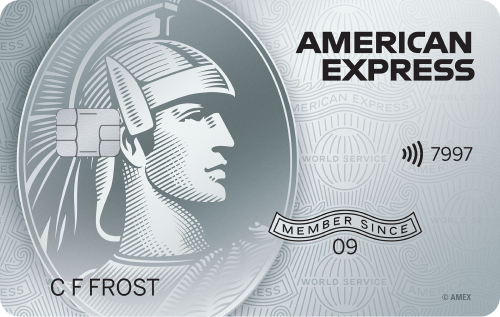 American Express Business Platinum CardPremium charge card with travel perksAnnual Fee£650/yrRewardsMR points + 10k bonus per £10k/month
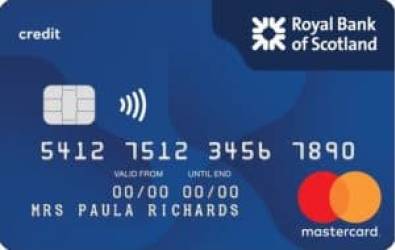 RBS Business Plus Credit CardRBS mirror of NatWest Business PlusRep. APR29% variableAnnual Fee£70 per cardholder