



If you run an SME and need a business charge card that balances cost with real rewards, this guide is for you.
Unlike credit cards, charge cards require you to pay the full balance each month, helping you avoid long-term interest but demanding careful cashflow management.
This will help you quickly spot which card’s fees, eligibility rules, and benefits best fit your business spending.
- Why a Business Charge Card May Suit Your Company
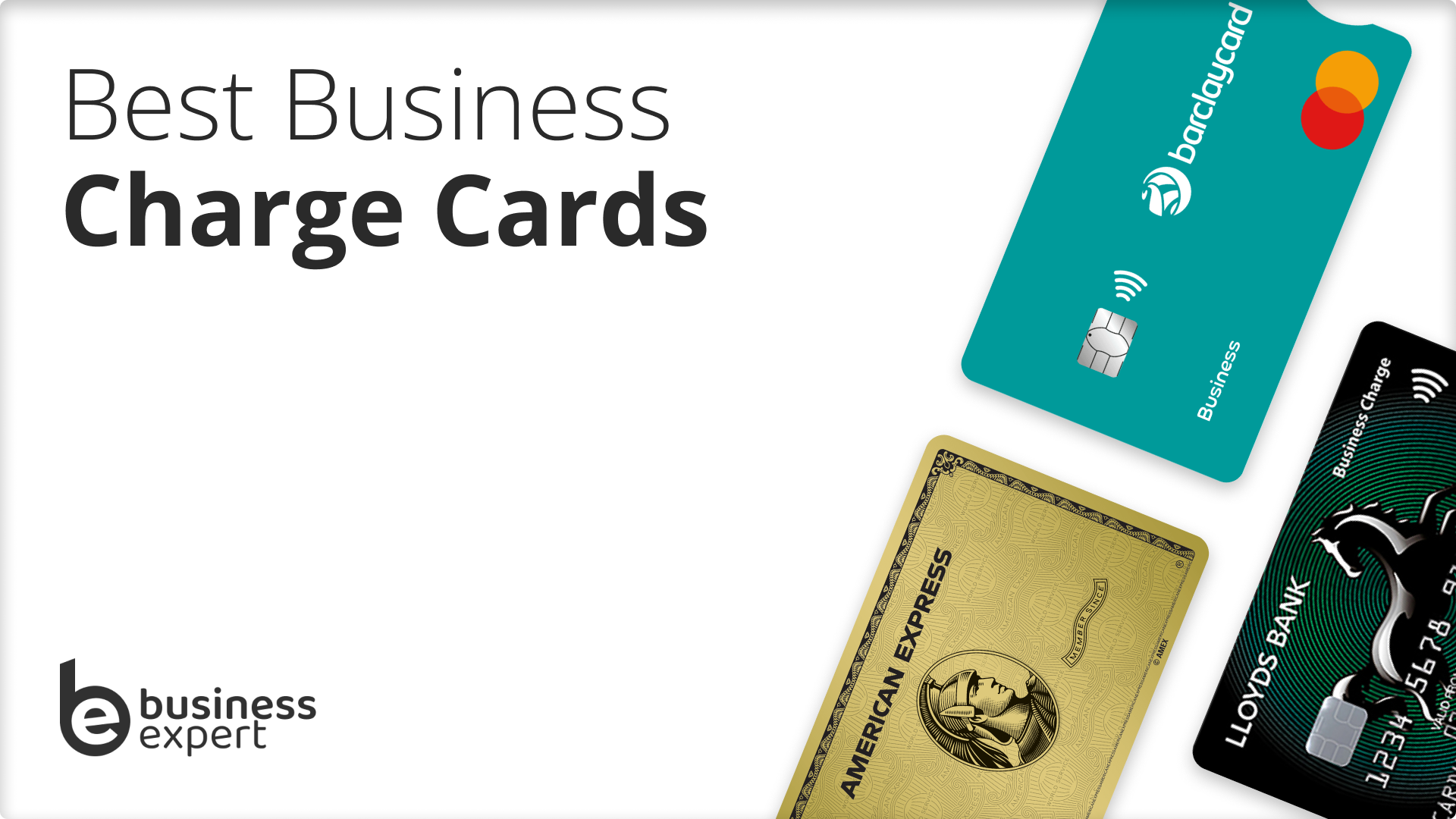
- The Best Business Charge Cards
- Lloyds Bank Business Charge Card
- Barclaycard Select Charge Card
- American Express Business Gold Card
- The Co-operative Business Charge Card
- NatWest Onecard
- How to Match the Right Card to Your SME’s Needs
- Common Pitfalls and Risks to Avoid
- FAQs
- Next Steps for Securing the Right Card
Why a Business Charge Card May Suit Your Company
A business charge card can be a smart fit if you want to keep company spending clear, controlled, and interest-free, provided you can settle the full balance each month.
Unlike a traditional credit card, which lets you carry over debt for a fee, a charge card gives your business an interest-free period, but requires you to pay off everything by the due date. This structure helps prevent the build-up of long-term debt and makes it easier to track expenses across your team.
For SMEs, this means sharper cash flow management and less temptation to overspend. However, missing a payment can trigger penalties, damage your business credit profile, and disrupt cash flow, so it’s vital to be confident about monthly settlement.
To qualify, providers often require your business to have a UK business bank account and meet minimum turnover thresholds. Some cards are only open to limited companies or LLPs, not sole traders or small partnerships. Always check eligibility before applying.
Quick Comparison Overview
Here’s a snapshot of five UK business charge card options, so you can spot key differences fast:
| Card | Annual/Monthly Fee | Typical Eligibility | Rewards/Benefits Highlights | Integration Options | Link |
|---|---|---|---|---|---|
| Lloyds Bank Business Charge Card | £0 first year, then £32 per cardholder (waived if £6k+ annual spend) | Lloyds business account required | Cashback on eligible spend, spend controls | Lloyds Online for Business | Visit Site |
| Barclaycard Select Charge Card | Check provider | Check provider | Check provider | Digital expense tools | Visit Site |
| American Express Business Gold Card | Check provider | Check provider | Membership Rewards, business benefits | Accounting integrations (varies) | Visit Site |
| Co-operative Business Charge Card | Check provider | Check provider | Ethical policy, staff cards (varies) | Online banking | Visit Site |
| NatWest Onecard | Corporate pricing (check provider) | Larger firms/public sector focus (check provider) | Merchant category controls and reporting (varies) | ERP system feeds (varies) | Visit Site |
This table gives you an at-a-glance view before diving into each option.
Lloyds Bank Business Charge Card
The Lloyds Bank Business Charge Card is best suited to businesses already banking with Lloyds.
You must hold a Lloyds Bank Business Current Account, as repayments are made by Direct Debit from this account each month. The card’s annual fee is £0 in the first year, then £32 per cardholder, but this fee is waived if your business spends at least £6,000 across all cards in a year.
For existing Lloyds customers, the main advantage is easy data syncing with your business accounts, making expense tracking and reporting more straightforward. The “Online for Business” portal gives you control over staff card limits and visibility of spending.
However, only businesses with a Lloyds current account are eligible, so switching banks may be required. Personal guarantees may be required depending on your business and credit assessment.
Choose if:
- You already bank with Lloyds and want tight integration with your business accounts
- Your annual card spend is likely to exceed £6,000 (to benefit from the fee waiver)
Skip if:
- You don’t have or want a Lloyds business current account
- You’re not comfortable with the accountability that can come with business card borrowing
Looking for a Business Current Account?
Read our guide to the best business current accounts here.
Barclaycard Select Charge Card
The Barclaycard Select Charge Card is designed for UK businesses that want pay-in-full discipline and scalable staff spend management. The flat annual account fee of £42 is designed to cover staff cards under the account, so you can expand card use without stacking up separate annual fees per user.
Insurance features typically include protection against employee misuse and purchase-related cover, but exact limits and conditions depend on the policy terms for your account.
You must settle the full balance each month, with no option to roll over payments. Missing a payment can damage your business credit profile and may lead to account restrictions.
Choose if:
- You want a charge card structure with staff card scalability
- You value expense controls and predictable monthly settlement
Skip if:
- You need flexibility to carry a balance
- You want to rely on unconfirmed fee or insurance figures without checking the latest terms
American Express Business Gold Card
The American Express Business Gold Card suits SMEs that want rewards and the option to revolve eligible balances via the Flexible Payment Option (FPO). You can pay some balances in full each month, while eligible purchases can be carried at interest, depending on how your account is set up and what Amex deems eligible.
You earn Membership Rewards points on spend, and the card is known for travel-oriented benefits and access to Amex Offers. The annual fee is £0 in the first year, then £195.
Amex operates joint liability on many business products, meaning both the business and the individual may be responsible for charges under the agreement. A personal guarantee may be required depending on the applicant and business.
Choose if: You want rewards and business benefits and can manage full monthly settlement reliably.
Skip if: You want the lowest possible fees or you regularly need to revolve debt month-to-month.
Learn More About American Express
Read my detailed comparison of American Express business credit cards
How do AMEX Credit Card Rewards Work?
The American Express Business Gold Card offers 1 Membership Rewards point per £1 spent. For example, if you spend £1,000 on the card in a month, you would earn 1,000 Membership Rewards points.
These points can then be redeemed for statement credits, with each point worth around 0.5p, meaning 1,000 points would equal £5 in statement credits.
You can earn 1 additional bonus point for every £1 you spend on flights, hotels, car hire or experiences through American Express Travel.
The Co-operative Business Charge Card
The Co-operative Business Charge Card is aimed at organisations that value The Co-operative Bank’s ethical positioning. Eligibility is typically linked to holding a Co-operative Bank business current account, and it’s positioned for limited companies, LLPs, and registered charities.
The fee structure is: no charge for the first six months, then £2 per card per month. Purchases can benefit from an interest-free period provided the balance is cleared in full by Direct Debit each month.
If payments are missed, charges and recovery actions depend on the account terms and the bank’s current policies. Personal guarantees may be required depending on the organisation and underwriting outcome.
Choose if:
- You want to align with Co-operative Bank’s positioning and can repay in full monthly
- You want staff card access and simple expense oversight
Skip if:
- You need to carry a balance
- Your business type does not meet the card’s eligibility rules
NatWest Onecard
The NatWest Onecard is positioned for larger organisations (often corporate or public sector) that need tighter controls than most SME-focused cards provide. It is built around governance features such as category controls, account-level limits, and cardholder-level limits.
It can suit finance teams that need structured reporting and feeds into enterprise finance systems for reconciliation and oversight. For many smaller SMEs, the controls can be more than you need, and the pricing model is typically corporate rather than off-the-shelf consumer-style pricing.
Choose if:
- You run a larger organisation with many cardholders
- You need advanced controls and detailed reporting
- Integration with enterprise finance systems is a priority
Skip if:
- You only need simple card access for a small team
- You want a low-admin solution
How to Match the Right Card to Your SME’s Needs
Choosing the best business charge card for your company starts with a clear look at how your business actually spends. Begin by calculating your average monthly card spend and mapping out who in your team needs a card. This helps you spot which providers’ fee structures and staff card options will work in your favour.
Check each card’s eligibility criteria carefully. Some require a minimum turnover or an existing business current account with the provider. Next, weigh up annual or monthly fees against the rewards or cashback on offer. If your spending is high enough to trigger fee waivers or bonus points (like with Lloyds or Amex), those perks can quickly outweigh costs.
Consider how you’ll use the card:
- High transaction volumes? Look for cards with robust spend controls and simple staff card management.
- Frequent overseas travel? Factor in non-sterling transaction fees and travel insurance cover.
- Need seamless accounting? Prioritise cards that integrate directly with your accounts software or ERP system.
Finally, review risk factors such as personal guarantees or joint liability requirements, as these can affect your exposure if company finances run tight. The right match will balance cost, control, and convenience for your business’s unique needs.
Common Pitfalls and Risks to Avoid
Missing a charge card payment deadline is one of the most serious mistakes you can make. Unlike credit cards, business charge cards require you to pay the full balance each month. If you miss this, your account may be restricted, fees may apply, and your business credit profile could suffer. Failing to meet spend thresholds for annual or monthly fee waivers means you’ll pay more than expected, so always check the small print.
Staff misuse is another risk: if employees overspend or use cards outside policy, your business could be liable for unauthorised transactions. Most providers offer some form of protection, but it’s not a substitute for strong internal controls.
Many cards may require a personal guarantee from directors. If your company struggles financially, this could put your own assets at risk. Always be realistic about cash flow. Using a charge card to plug ongoing gaps can quickly backfire. Set clear policies, monitor usage regularly, and ensure you can settle in full every month to avoid unnecessary exposure.
To see how Business Charge Cards differ from Business Credit Cards, read our article on Business Credit Cards vs Charge Cards
Business Charge Cards FAQs
Are these cards interest-free if I pay on time?
Yes, business charge cards offer an interest-free period (often around 38 to 54 days) as long as you pay the full balance by the due date each month. If you miss payment, fees and other consequences apply under the card terms.
How do late payments affect my business credit file?
Late or missed payments may be reported to credit reference agencies and can negatively impact your business credit profile. They can also lead to tighter terms or account restrictions.
Which card offers the strongest overseas spending benefits?
This depends on your mix of overseas spend and whether you value travel benefits. Amex Business Gold is often strongest on travel-related benefits, but you should compare non-sterling fees and the value of rewards against those costs.
Do business charge cards come with Section 75 protection?
In most cases, no. Section 75 is generally a consumer protection and typically won’t apply to business charge cards. You may still have network chargeback rights and any insurer-backed purchase protection that comes with the card (terms apply).
Can I set individual spending limits for employees?
Yes, these products typically support additional cardholders and allow limits or controls, though the exact controls vary by provider.
Are the annual fees worth it if my monthly spend is low?
If you spend modestly, fees can outweigh rewards. Fee waivers (like Lloyds’ £6,000 annual spend waiver) can change the maths, so match the card to your real spend.
What happens if I cancel a staff member’s card mid-contract?
You can usually cancel supplementary cards at any time by following the provider’s process. Any transactions already made still need to be settled in full on the next statement.
Do I need a personal guarantee each time I add a cardholder?
No. Any guarantee or liability structure is typically set at the account level, not per extra cardholder, although the underlying agreement still covers all spend made on the account.
Next Steps for Securing the Right Card
Shortlist your top two business charge cards by weighing annual or monthly fees against the rewards and features that match your company’s spending.
Before applying, check each provider’s eligibility rules and ensure you’re comfortable settling the full balance every month, as this is essential for keeping your cash flow healthy and avoiding fees.
Once you’re confident you meet the criteria, apply directly with your chosen provider.
Choosing the right card now helps your business stay accountable and financially agile.