Best Business Credit Cards for Sole Traders (2026)
Sole traders have fewer business credit card options than limited companies — several major cards exclude sole traders entirely. Eligibility checked March 2026.
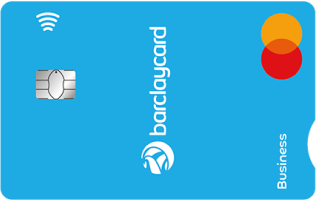
Open to sole traders without a business bank account
- Sole traders explicitly accepted
- No existing bank account required
- No annual fee
- £10k–£6.5m turnover accepted
The UK business credit card market is weighted towards limited companies. Capital on Tap, the most-advertised fintech card, excludes sole traders entirely. Several bank cards don’t state sole trader eligibility on their public product pages, which means you won’t know until you apply.
This page lists cards that confirm sole trader eligibility, those where eligibility is unclear, and those closed to you. Each is verified against the provider’s own pages. Each rejected application leaves a hard search on your credit file. Applying blind is a risk you can avoid.
There are approximately 4.1 million sole traders in the UK (GOV.UK business population estimates). That population contracted by 10.9% between 2020 and 2024, then rebounded 4.9% in 2024–2025. The credit card products available to them are a fraction of what limited companies can access.
If you’re an electrician, freelance copywriter, personal trainer, or market trader, your business structure shouldn’t lock you out of basic financial tools. This page gives you a clear, verified picture of what is actually available to you right now.
Sole Trader Business Credit Card Options at a Glance
| Card | Sole Trader Status | Rep. APR | Account Required |
|---|---|---|---|
| Barclaycard Select | Confirmed | 25.5% | No |
| Lloyds | Confirmed | 15.95% | Lloyds BCA |
| Metro Bank | Confirmed | 18.9% | Metro Bank BCA |
| Amex Business Gold | Confirmed | N/A (charge) | No |
| Amex Business Card | Confirmed | Check provider | No |
| BA Amex Accelerating | Confirmed | Check provider | No |
| Funding Circle | Check provider | Check provider | No |
| NatWest Plus | Check provider | Check provider | NatWest BCA |
| Santander | Not stated | 23.7% | Santander BCA |
| HSBC | Not stated | 22% | HSBC BCA |
| Capital on Tap | Excluded | From 13.86% | No |
Compare the Sole Trader Cards
Eight cards that confirm sole trader eligibility, compared on APR, fees, and account requirements. Verified 20 March 2026.
All Cards at a Glance
Compare key features side by side — tap any row for the full review.
| Provider | Best For | Key Feature | Annual Fee | Action |
|---|---|---|---|---|
| Sole traders who don’t bank with a traditional high-street bank | Cashback | £0 | View details → |
 | Sole traders already banking with Lloyds who carry a balance | None | £32 per cardholder | View details → |
 | Sole traders near a Metro Bank branch who want zero fixed costs | None | £0 | View details → |
 | High-spending sole traders who clear monthly and want Membership Rewards | Membership Rewards | £0 yr 1, then £195/yr | View details → |
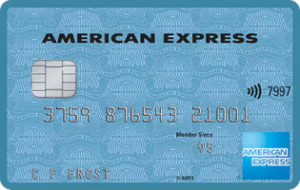 | Sole traders wanting Membership Rewards with lower fee commitment | None | £0 | View details → |
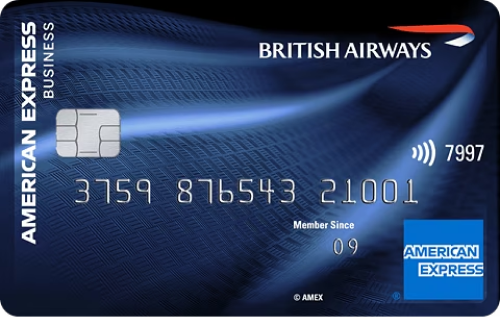 | Sole traders with regular BA travel who want Avios on card spend | Avios | £250 | View details → |
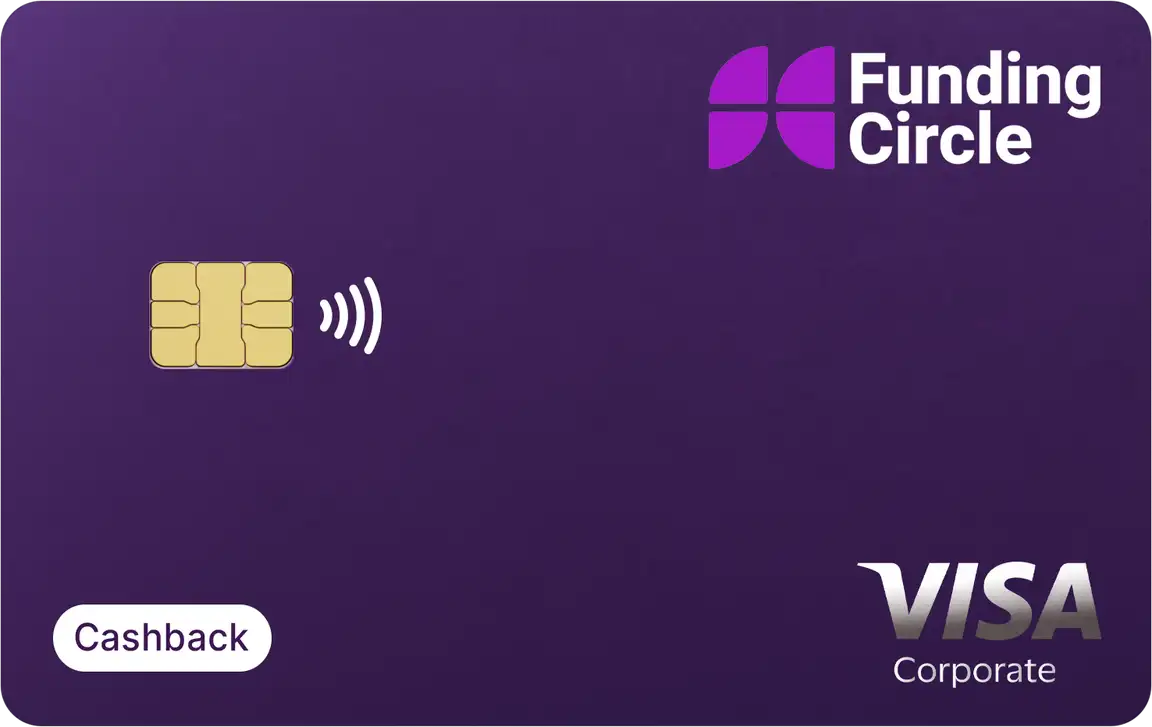 | Sole traders wanting cashback without a traditional bank account | Cashback | £0 | View details → |
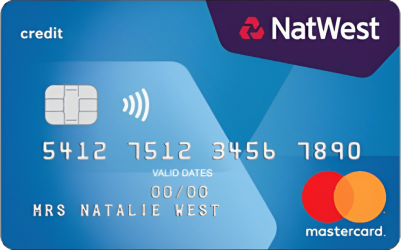 | Sole traders already with NatWest who want a rewards card | Cashback | £70 per cardholder | View details → |
Fees and rates verified 20 March 2026 from public sources. Confirm current terms with the provider before applying.
The Practical Card Filter for Sole Traders
We found three things that narrow your options as a sole trader: entity eligibility (some cards reject sole traders outright), existing account requirements (most bank cards need a BCA), and Amex acceptance (Amex cards are open to sole traders but not all suppliers take Amex).
If you bank with Lloyds, Metro Bank, or NatWest, your lowest-cost option is that bank’s own card. If you don’t, Barclaycard is the only card you can get without switching. Amex is the only option combining open access with rewards. See our low APR page for the full comparison.
Carrying £5,000 for a year: Barclaycard at 25.5% costs roughly £1,275 in interest; Lloyds at 15.95% costs £798. That £477 gap is the price of not having a Lloyds BCA. If you clear in full each month, APR is irrelevant and open access matters more.
Barclaycard allows additional cardholders on a sole trader account. Amex lets you add employee cards at no extra cost in year one. Lloyds supplementary cards are tied to the BCA. If you have staff making purchases, this affects which card works in practice.
How Sole Trader Card Eligibility Actually Works
Each provider assesses sole traders differently, and the differences aren’t obvious from their marketing pages. We dug into the eligibility criteria for every card on this list so you can see exactly what you’re up against before you apply.
Barclaycard runs a personal credit check via Experian. There is no Companies House verification: sole traders aren’t registered there. You apply as an individual: trading name, turnover (£10k–£6.5m), and personal details. Approval depends on your credit score and declared turnover.
A graphic designer with 18 months of trading history and a clean credit file should find Barclaycard straightforward. Missed payments in the last two years will make approval harder.
Lloyds requires an existing Lloyds Business Current Account. Open the BCA first. It has its own eligibility check. Once you have it, the credit card is assessed against your account behaviour and personal credit. Lloyds explicitly names sole traders in its eligibility criteria.
Account history matters here. A plumber banking with Lloyds for three years and running £4,000 a month through the BCA is in a different position from someone who opened the account last week.
Metro Bank requires a BCA and an in-branch application. Their eligibility page explicitly names sole traders. The branch requirement is the real filter: 77 stores, almost all in London and the southeast. If you’re based outside that corridor, the card isn’t practically available regardless of your credit profile.
Amex operates independently of UK banks. No BCA required. The application considers personal credit and business information. Sole traders are explicitly eligible for the Business Gold, Business Basic, and BA Amex Accelerating cards.
The catch is acceptance. Around 40% of UK merchants don’t take Amex, according to Amex’s own published data. If your main suppliers are tradespeople, small wholesalers, or independent retailers, you may find Amex difficult to use day-to-day.
Can I Get a Business Credit Card as a Side-Hustle Sole Trader?
Yes, but your options narrow further. Providers accept side-hustle sole traders if turnover meets their minimum. The key threshold is Barclaycard’s £10,000 stated minimum: £12,000 annual turnover qualifies; £8,000 doesn’t.
We recommend keeping your business and personal spending completely separate from day one. A business credit card makes that separation clean for HMRC purposes. Even if your turnover is modest, having a dedicated card simplifies your Self Assessment tax return and creates a clear audit trail.
Cards That Accept Sole Traders
Barclaycard Select Cashback Business Credit Card
Lloyds Bank Business Credit Card
American Express Basic Business Card
British Airways Accelerating Business Card
Funding Circle Cashback Business Credit Card
NatWest Business Plus Credit Card
Cards Where Sole Trader Eligibility Is Unclear or Excluded
Capital on Tap excludes sole traders entirely. Santander and HSBC don’t confirm sole trader eligibility on their public pages. Applying to any of these without checking directly risks a hard search on your credit file for nothing.
Capital on Tap Business Credit Card
Santander Business Cashback Credit Card
HSBC Business Credit Card
Rejected for a Sole Trader Card? What to Do Next
A rejected application doesn’t mean you’re out of options. We recommend trying Barclaycard first as it has the broadest acceptance criteria among traditional cards. We confirmed that Amex cards have a separate application process that doesn’t pull from the same credit reference as bank cards.
If your trading history is short (under 12 months), focus on cards without a published minimum: Barclaycard and the Amex range both accept newer sole traders in principle, though approval still depends on your credit profile. Our start-ups guide covers this in more detail.
Don’t apply to multiple cards in quick succession. Each hard search leaves a mark on your credit file. Space applications at least 3 months apart. Applying to Barclaycard, Lloyds, and Amex in the same week leaves three hard searches, and each subsequent lender sees them.
Check your credit file with Experian, Equifax, and TransUnion before applying again. We’ve seen rejections caused by old address mismatches and forgotten accounts. Correcting errors is free and can make the difference. See our poor credit guide for alternative routes.
Do Sole Traders Need a Separate Business Credit Card?
You aren’t legally required to have a separate business credit card as a sole trader, but we recommend it. HMRC expects you to separate business and personal expenses for Self Assessment. Using one personal card for everything creates an annual headache identifying which transactions were business costs.
A dedicated business card builds a transaction history lenders can see when you apply for finance. Twelve months of clean statements helps your case for a loan, invoice finance, or a higher credit limit. If you plan to incorporate later, that business credit history carries weight.
What Credit Limit Can a Sole Trader Expect?
Credit limits for sole traders are typically lower than for limited companies. Most receive initial limits between £1,000 and £10,000, depending on turnover and credit history. Barclaycard doesn’t publish its ranges; user reports suggest £1,500–£5,000 for newer sole traders.
Amex is more opaque. The Business Gold has no preset spending limit, but Amex sets an internal threshold based on your spending pattern and payment history. A sole trader spending £2,000 a month and clearing monthly should see Amex accommodate that level after a few months.
If your initial limit feels restrictive, focus on clearing in full every month for three to six months. We confirmed that most providers review limits automatically and increase them based on consistent repayment behaviour. Requesting a manual review after six months of clean use is also worth doing.
Related Pages
Find more comparisons and reviews relevant to sole trader credit cards:
- All business credit cards compared
- Best cards for start-ups (overlaps with sole trader options)
- Guide to business credit cards
Sole Trader FAQs
Can a sole trader get a business credit card in the UK?
Yes, but your options are narrower than for limited companies. Barclaycard, Lloyds, Metro Bank, and all Amex business cards explicitly accept sole traders. Capital on Tap and Funding Circle exclude sole traders entirely. Check each provider’s eligibility page before applying.
Do sole traders need a separate business credit card?
You aren’t legally required to have one, but it’s strongly recommended. A dedicated business card separates personal and business expenses for your Self Assessment, creates a clear HMRC audit trail, and builds a business credit history that helps when applying for finance later.
What credit limit can a sole trader expect?
Most sole traders receive initial limits between £1,000 and £10,000, depending on turnover and credit history. Clearing the balance in full every month for three to six months typically leads to an automatic limit increase. You can also request a manual review after six months of clean use.
Can I get a business credit card as a side-hustle sole trader?
Yes, provided your turnover meets the provider’s minimum. Barclaycard’s stated minimum is £10,000 annual turnover. If your side business exceeds that threshold, you qualify on paper. If it falls below, you may not meet the eligibility criteria.
Does a sole trader business credit card affect my personal credit score?
Yes. As a sole trader, you’re personally liable for the debt, so the card appears on your personal credit file. Missed payments will damage your personal score. On-time payments will help build it.
Why can’t sole traders get Capital on Tap?
Capital on Tap requires Companies House registration, which means only limited companies and LLPs are eligible. Sole traders aren’t registered at Companies House and can’t apply. If you want access to Capital on Tap, you would need to incorporate your business as a limited company.
Methodology and Disclosure
Sources: We verified sole trader eligibility against each provider’s public product page on 20 March 2026. Where eligibility is marked “Not stated”, the provider’s page did not explicitly mention sole traders in its eligibility criteria.
Affiliate disclosure: BusinessExpert may receive referral fees from some providers listed. This doesn’t affect our eligibility assessments, which are based on publicly available information.
Regulatory note: This page is editorial content, not regulated financial advice.