Best Business Credit Cards for Travel (2026)
A travel business credit card needs low FX fees, usable travel insurance, and rewards that convert to flights. Every UK business card was checked — most fail on at least one.

No FX fees on overseas spend, no ATM charges abroad
- No FX fees on international transactions
- No ATM fees overseas
- No annual fee
- Up to £250,000 credit limit
You need to start with FX fees, not rewards. At £10,000 of overseas spend, a standard 2.99% bank card costs you £299 a year. Every card on this page either waives that fee or earns rewards that offset it.
Your best fit depends on which of three travel benefits matters most: FX fee waivers (NatWest, Capital on Tap), travel insurance and lounge access (Amex Platinum), or rewards that convert to flights (BA Amex, Amex Gold).
What Does Your Business Need From a Travel Credit Card?
| Your travel pattern | Priority | Card to look at |
|---|---|---|
| Frequent overseas card spend, no rewards needed | No FX fee | NatWest or Capital on Tap |
| Want to earn flights on business spend | Avios earn rate | BA Amex Accelerating or Amex Gold |
| International travel with lounge access | Travel perks | Amex Business Platinum |
| Mix of all three | Flexible rewards + no FX | Amex Gold (MR points transfer to Avios) |
| Company card without existing bank account | Open access + no FX | Capital on Tap (limited companies only) |
Compare Travel Cards at a Glance
Choose your best fit from six cards ranked on the three decisions that matter: FX fees, travel insurance, and rewards that convert to flights or hotels. Verified March 2026.
All Cards at a Glance
Compare key features side by side — tap any row for the full review.
| Provider | Best For | Key Feature | Annual Fee | Action |
|---|---|---|---|---|
| Limited companies with overseas travel who want no FX or ATM fees and no bank account requirement | Cashback | £0 (free card) / £299 (Pro card) | View details → |
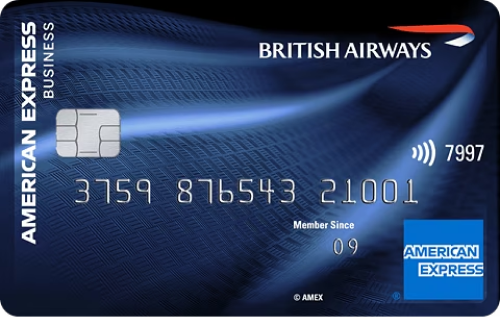 | Businesses with regular BA travel that want Avios on all card spend, not just flights | Avios | £250 | View details → |
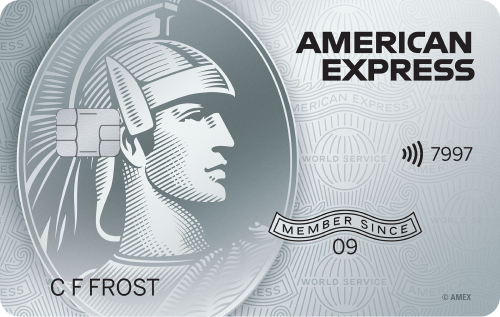 | High-spend businesses (£10k+/month) with frequent international travel who value airport lounge access | Membership Rewards | £650/yr (+£295 supplementary) | View details → |
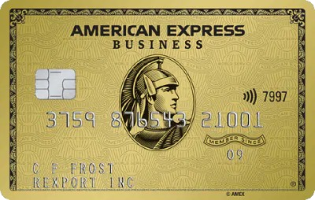 | Businesses spending £3k+/month that clear monthly and want flexible travel reward redemption | Membership Rewards | £0 yr 1, then £195/yr | View details → |
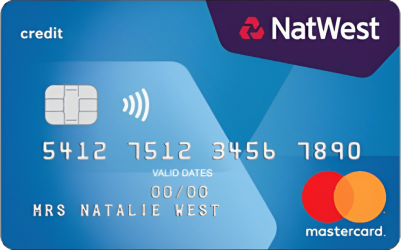 | NatWest business customers with regular overseas card spend who want a straightforward credit card (not a charge card) | None | £30 per cardholder | View details → |
| Existing NatWest customers who want to earn rewards on overseas and domestic spend | Cashback | £70 per cardholder | View details → |
Fees and rates verified 20 March 2026 from public sources. Confirm current terms with the provider before applying.
The Three Things a Travel Card Needs
You need to prioritise no FX fee above everything else. A 2.99% charge on every overseas transaction erodes any reward earn before you’ve started. We checked all bank card FX policies: NatWest is the only high-street bank card that waives it.
Capital on Tap charges no FX fee and no ATM fees, useful if your overseas trips include cash-heavy markets or suppliers.
Travel insurance is worth having on the card rather than buying separately, but only if the policy covers your trip type and employee count. The Amex Platinum policy is the most comprehensive available on a UK business card. Check the exact terms before relying on it.
A standalone business travel policy for a sole trader travelling to Europe and the US typically costs £150–£300 per year. If your card includes equivalent cover, that cost disappears against the annual fee.
Rewards that convert to flights only work if you clear your balance monthly. Interest wipes out any Avios earned. BA Amex and Amex Gold offer the highest earn rates on any UK business card for air travel, but only where Amex is accepted.
If you’re choosing a single travel card, prioritise: no FX fee first (saves on every transaction), then travel insurance (replaces a separate cost), then rewards (value only when the first two are covered).
A card with no FX fee and no travel insurance saves more than a card with great rewards and a 2.99% FX charge.
Travel Card FX Fee Calculator: What You Actually Save
You can save hundreds of pounds per year by choosing a no-FX card. We ran the numbers at four spend levels and compared them against the zero-fee cards on this page.
| Annual overseas spend | FX cost at 2.99% (Barclaycard, most banks) | FX cost at 2.95% (Lloyds) | FX cost at 2% (Moss) | FX cost at 0% (NatWest, Capital on Tap) |
|---|---|---|---|---|
| £5,000 | £150 | £148 | £100 | £0 |
| £10,000 | £299 | £295 | £200 | £0 |
| £20,000 | £598 | £590 | £400 | £0 |
| £50,000 | £1,495 | £1,475 | £1,000 | £0 |
At £10,000 of overseas spend, the gap between a 2.99% card and a 0% card is £299 — more than the Amex Gold annual fee (£195) or the NatWest cardholder fee (£30, waivable).
An e-commerce business importing from European suppliers at £3,000/month pays £90/month in FX charges on a 2.99% card: £1,076 per year. Switching to NatWest saves the full amount after the £30 card fee.
We verified this against NatWest terms, March 2026. If your overseas spend exceeds £5,000 a year, a no-FX card pays for itself.
The 0% FX fee means no markup above the card network exchange rate: Visa for NatWest and Capital on Tap, Mastercard for Funding Circle. The card network rate itself includes a small margin above the interbank rate; you aren’t getting the raw interbank rate.
Industry analysis puts wholesale card network margins at 0.3%–0.5% above the interbank mid-market rate. On £10,000 of overseas spend, that costs £30–£50, much smaller than the £299 you’d pay on a standard 2.99% bank card.
What About ATM Withdrawals Overseas?
Most business credit cards charge a cash advance fee on ATM withdrawals: typically 2.5–3% of the amount, plus interest from the date of withdrawal with no grace period.
If you need cash abroad, Capital on Tap is your only option on this list: no ATM fee and no FX fee on overseas withdrawals. This matters in countries where cash is the primary payment method for taxis, small suppliers, or market purchases.
Avoid using credit cards at ATMs unless you have a card with no ATM fees. The cash advance fee plus immediate interest makes it one of the most expensive ways to access cash. For cash-heavy destinations, Capital on Tap’s no-ATM-fee policy is the only option on this list.
Travel Business Credit Cards, Ranked
Ordered by travel utility: best all-round travel card first, then by specific use case. We applied three filters to each: FX fee, insurance, and rewards.
Capital on Tap Business Credit Card
British Airways Accelerating Business Card
American Express Business Platinum Card
American Express Business Gold Card
NatWest Business Credit Card
Cards Not Recommended for Travel or Overseas Use
Skip these cards if you travel overseas. The FX fees or lack of travel features make them the wrong tool for the job, though they appear on other comparison pages and you may be considering them.
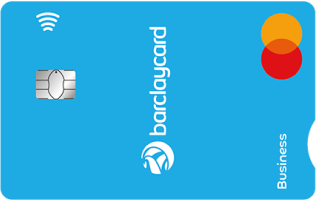
Barclaycard Select Cashback Business Credit Card
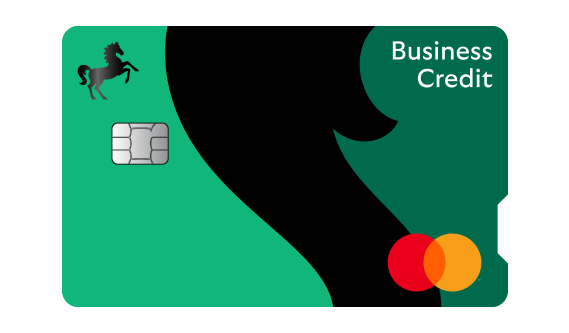
Lloyds Bank Business Credit Card
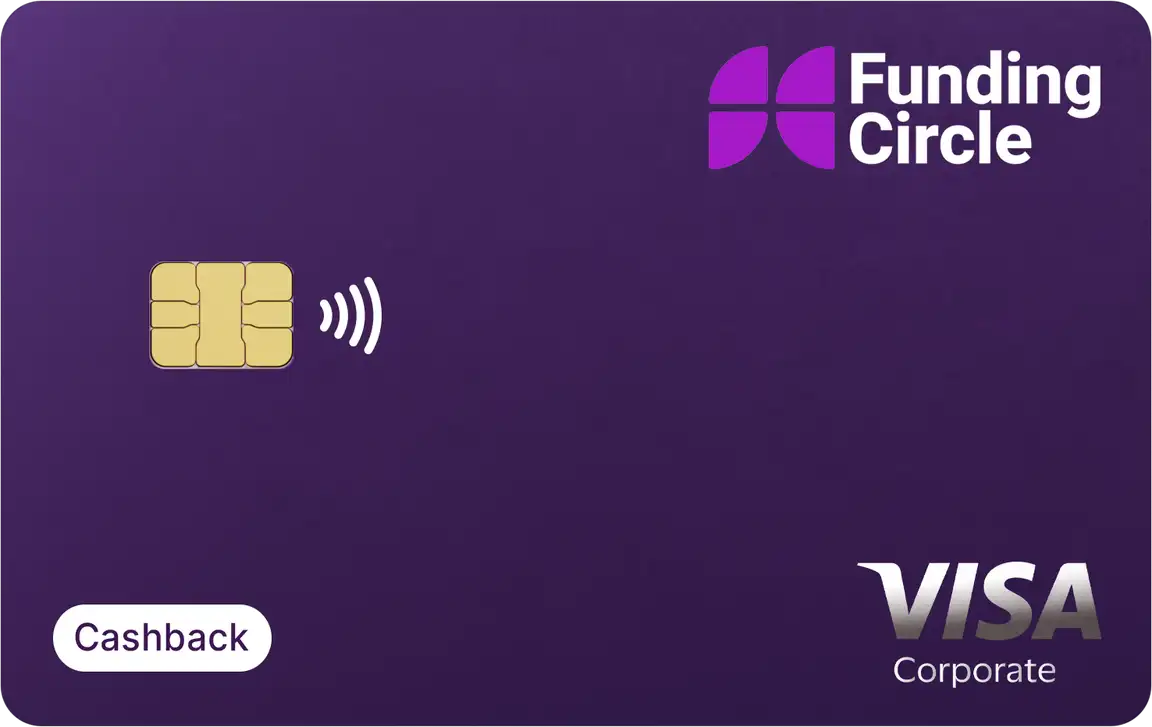
Funding Circle Cashback Business Credit Card
Moss Business Credit Card
Travel Card FX Fee Comparison
| Card | FX Fee | ATM Fee Overseas | Travel Insurance |
|---|---|---|---|
| BA Amex Accelerating | Check provider | Check provider | Check provider |
| Amex Business Platinum | 2.99% | Check provider | Yes: check policy terms |
| Amex Business Gold | Check provider | Check provider | Check provider |
| NatWest | None | Check provider | No |
| Capital on Tap | None | None | No |
| NatWest Business Plus | Check provider | Check provider | Check provider |
| Barclaycard | 2.99% | Check provider | No |
| Lloyds | 2.95% | Check provider | No |
Before you apply, confirm the FX fee details directly with your chosen provider. We verified March 2026 where confirmed. All rates variable and subject to change.
The Amex Travel Card Acceptance Problem
You should not rely on Amex as your only travel card. Amex dominates on rewards and perks, but overseas acceptance is inconsistent.
We checked the main travel spend categories: most major hotels, airlines, and business services accept it. Many smaller suppliers and restaurants don’t. For the full range, see our Amex business card comparison.
If Amex is your primary travel card, carry a no-FX Visa or Mastercard as backup. NatWest is the obvious pairing for NatWest customers. Capital on Tap serves the same function without a NatWest account.
Your destination matters: Amex reports a 46% increase in UK acceptance over three years; US acceptance sits at 99%. France and Germany remain lower. In parts of Asia and South America, acceptance outside international hotels is minimal.
For Avios-specific earning strategies, see our air miles and Avios guide.
You’ll want a backup card in Western Europe, where Amex works for hotels and flights but not for many ground-level expenses. US acceptance is effectively equivalent to Visa and Mastercard.
If you travel frequently, the two-card approach maximises value: use Amex Gold or BA Amex for flights and hotels where acceptance is reliable. Carry a NatWest or Capital on Tap Visa for your ground-level expenses: taxis, restaurants, local suppliers, small purchases.
You earn no Avios on Visa card spend, but pay no FX fee and have universal acceptance. This split maximises total value across both rewards and FX savings.
Do You Need a Separate Travel Insurance Policy?
If you choose Amex Platinum, you get bundled travel insurance: up to £2m medical expenses, £7,500 trip cancellation, and £2,000 baggage cover, for trips up to 120 days. No cover for cardholders aged 80 or over. Pre-existing medical conditions and geographical restrictions also apply.
Before treating card-based cover as primary insurance, verify the exclusions and destination restrictions match your travel pattern. It can be competitive with standalone annual policies.
If you choose NatWest, Capital on Tap, Barclaycard, or Lloyds, you need a separate travel policy. None include cover.
A standalone annual policy for a sole trader on 6–8 European trips typically costs £150–£250. For a team of four, that rises to £400–£800 depending on destinations. Factor this into your total travel card decision.
Related Pages
- Best cards for Avios and air miles
- All business credit cards compared (pillar page)
- Compare Amex business cards
- Best cashback and reward cards
- Guide to business credit cards
Travel Card FAQs
Which UK business credit card has no foreign transaction fee?
NatWest, Capital on Tap, and Funding Circle Cashback all charge 0% FX fees on overseas purchases as of March 2026. NatWest is the only high-street bank card with no FX fee. Capital on Tap also charges no ATM fees overseas. Check current terms with each provider before applying.
How much does the FX fee cost on a standard business credit card?
Most UK bank cards charge 2.95%–2.99% on non-sterling transactions. At £10,000 of overseas spend per year, that adds up to roughly £299 in FX charges alone, more than many annual card fees.
Do business credit cards include travel insurance?
Most don’t. The Amex Business Platinum includes travel insurance covering the cardholder and, in most cases, employees travelling on business. NatWest, Capital on Tap, Barclaycard, and Lloyds don’t bundle travel cover. Check policy terms directly with the provider before relying on card-based insurance.
Can I use my business credit card at overseas ATMs?
You can, but most cards charge a cash advance fee of 2.5%–3% plus interest from the date of withdrawal with no grace period. Capital on Tap is the exception. It charges no ATM fee and no FX fee on overseas cash withdrawals. Avoid ATM use on other cards unless absolutely necessary.
Is Amex widely accepted overseas for business travel?
Amex acceptance is good in the US, Australia, and Japan, and works for most hotels, airlines, and major online services. It’s patchier in Western Europe and limited in parts of Asia and South America. We recommend carrying a Visa or Mastercard backup for ground-level expenses.
Does the 0% FX fee mean I get the interbank exchange rate?
No. A 0% FX fee means no markup above the card network exchange rate (Visa or Mastercard). The card network rate itself includes a small margin above the interbank rate, typically 0.3%–0.5%. You pay less than a standard card but not the raw interbank rate.
Should I get separate cards for UK and overseas spending?
If your main card charges FX fees, yes. Many businesses use a low-APR or cashback card for UK spending and a 0% FX fee card (NatWest or Capital on Tap) for overseas purchases. This maximises rewards or minimises interest at home while avoiding FX charges abroad.
Methodology and Disclosure
Sources: We verified FX fees, travel insurance coverage, and rewards earn rates against each provider’s public pricing and product pages on 20 March 2026. Some details require direct provider confirmation.
Ranking basis: Cards are ranked by travel utility: FX fee position first, then travel insurance and lounge access, then rewards earn rate. Cards that charge FX fees are listed in the separate section below the main ranking.
Affiliate disclosure: BusinessExpert may receive referral fees from some providers listed. This doesn’t affect our rankings or the identification of FX fees, which are based on publicly available information.
Regulatory note: This page is editorial content, not regulated financial advice. Travel insurance terms vary by policy. Verify coverage directly with the card provider before travel.