Best Low-Interest Business Credit Cards - Business Expert
eye
30 min read
Advertising Disclosure

Business Expert is an independent comparison site dedicated to helping business owners make informed financial decisions. Some partners featured on our website may compensate us for promoting their products or services, and we may also receive payment if you follow certain links on our site. This compensation helps keep the Business Expert site free for all users and supports our operational costs.

While the order, sequence, or placement of some products and services may be influenced in certain cases by these commercial arrangements, these do not affect our impartial evaluations of the products or services we review on our site. Our assessments are based on factors such as fees, customer service, and product features.

When we refer to a product as the ‘best’ this reflects our assessment according to specific criteria. These evaluations are intended solely for educational purposes and should not be considered financial advice or a recommendation. We encourage you to assess your specific needs and explore multiple options before making any financial decisions.

If your business occasionally carries a balance on its credit card, the purchase rate matters far more than cashback. A card earning 1% cashback while charging 25% interest on an unpaid balance will cost you significantly more than it returns.

This guide ranks the best low-interest business credit cards available in the UK as of March 2026, ordered by purchase rate from lowest to highest.

Each card has been assessed for purchase rate, representative APR, annual fees, cashback, FX charges, accounting integrations, and eligibility. Where a card carries a high headline APR due to its annual fee structure, we explain the distinction clearly.

If you want a broader overview of the full market before narrowing down, see our guide to the best business credit cards. If avoiding interest entirely is your goal, our best interest-free business credit cards guide covers 0% purchase period options.

Best Low Interest CC

Understanding Purchase Rate vs. Representative APR

Two figures appear on every credit card advertisement: the purchase rate and the representative APR. They measure different things, and confusing them leads to poor decisions when comparing low-interest cards.

The purchase rate is the annual interest rate charged on spending if you carry a balance month to month. This is the number that directly determines your interest cost. When comparing low-interest cards, always compare purchase rates.

The representative APR is a regulatory figure that combines the purchase rate with any annual fee, spread over a standardised assumed balance of £1,200. A card with a low purchase rate but a significant annual fee can therefore show a far higher representative APR than its actual borrowing cost suggests. The HSBC Commercial Credit Card, for example, has a 15.9% p.a. purchase rate but a 22% representative APR, because the £32 annual fee raises the regulatory calculation. Similarly, the NatWest card has a 16.9% purchase rate but a 24.3% representative APR.

If you pay your balance in full every month, neither figure matters because you pay no interest. If you sometimes carry a balance, focus on the purchase rate. If you never clear the balance and also carry debt on the card, the representative APR is a more complete cost measure. See our guide to business credit cards for a fuller explanation of how APR is calculated. Checking your business credit score before applying is also worth doing, as cards with variable rates may offer you a rate higher than the advertised minimum depending on your credit profile.

Best Low-Interest Business Credit Cards: At a Glance

Cards are sorted by purchase rate ascending. All figures are variable and correct as of March 2026. Verify current rates directly with each provider before applying.

CardAnnual FeePurchase RateRep. APRBest ForLink
Capital on Tap Free (Top Pick)£0From 13.86%34.65%Lowest rate; cashback; no FX fee (Ltd/LLP only)Visit Site
Bank of Scotland Business1st year free; then £32/card*14.9%15.95%Lowest high-street rate; startups; sole tradersVisit Site
HSBC Commercial Credit Card1st year free; then £32/card15.9%22%HSBC customers; fraud protectionVisit Site
NatWest Business Credit Card1st year free; then £30/card*16.9%24.3%NatWest customers; startups; sole tradersVisit Site
Metro Bank Business£018.9%18.9%No-fee; guaranteed flat rate; EU travelVisit Site
Santander Business Cashback£30/account18.9%23.7%Cashback + no FX fee (full balance payers only)Visit Site
Barclaycard Select Cashback£025.5%25.5%No-fee; no bank account required; FreshBooks (full balance payers only)Visit Site

* Annual fee waived in year 1 and ongoing if annual card spend reaches £6,000 or more.

Interest Calculator

Carrying a balance on the wrong card can cost hundreds of pounds more per year than necessary. Use the calculator below to enter your average balance and monthly spend, and see your real annual cost across all seven cards once fees and cashback are factored in:

The Best Low-Interest Business Credit Cards: Full Reviews

Capital on Tap Free Business Credit Card – Best Overall

Capital-on-Tap-card

Annual fee: £0 (Pro version available at £299/year)
Purchase rate: From 13.86% p.a. (variable)
Representative APR: 34.65% variable (example based on £1,200 balance at mid-range rate; see note below)
Cashback: 1% unlimited, redeemable as cashback, Avios, Virgin Points, or gift cards
Interest-free period: Up to 42 days
FX fee: None
Credit limit: Up to £250,000
Accounting integration: Xero, QuickBooks, FreeAgent, Sage

Our Verdict: Capital on Tap’s free card is our top pick for the best low-interest business credit card for limited companies. The starting purchase rate of 13.86% p.a. is the lowest available on this page, and it comes with no annual fee, 1% unlimited cashback, no foreign transaction fees, and integrations with all four major UK accounting platforms. The representative APR of 34.65% looks alarming but reflects a regulatory calculation at a mid-range rate, not the headline rate you may qualify for. The critical caveat: this is a variable rate and your actual rate depends on your credit profile. Businesses with a strong credit profile may qualify near the floor; others may be offered a higher rate. Use Capital on Tap’s eligibility checker before applying, as it uses a soft search and does not affect your credit score. For a full breakdown of features and the Pro version comparison, see our Capital on Tap review.

Overview

Pros & Cons

Eligibility Criteria

Bank of Scotland Business Credit Card – Lowest High-Street Rate

BOS Business Credit Card

Annual fee: Free in year 1; then £32 per cardholder (waived if combined spend across all cards reaches £6,000 or more per year)
Purchase rate: 14.9% p.a. (variable)
Representative APR: 15.95% variable
Cashback: 1% on fuel and EV charging; 0.5% on other eligible spend (minimum £2,000 combined monthly spend across all linked cards)
Interest-free period: Up to 56 days
FX fee: 2.95%
Credit limit: £1,000 to £25,000 (£5,000 cap for businesses under 12 months old)

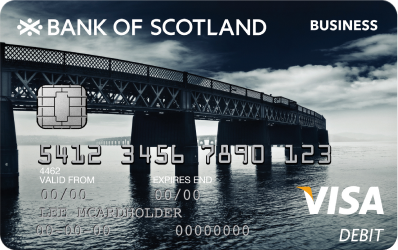
Our Verdict: The Bank of Scotland Business Credit Card offers the lowest purchase rate among the high-street bank cards on this page at 14.9% p.a. variable, and its 15.95% representative APR is the most transparent in this comparison: what you see is almost exactly what you pay. The first year is free, and the annual fee is waivable thereafter with modest card spend. It also accepts new businesses (with a reduced credit limit), which is unusually accessible. The main limitations are the requirement to hold a Bank of Scotland Business Current Account and the 2.95% foreign transaction fee, which rules it out for businesses with significant international spending.

Overview

Pros & Cons

Eligibility Criteria

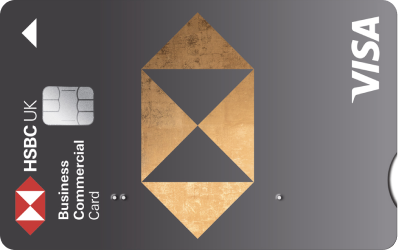
HSBC Commercial Credit Card

HSBC Commercial Credit Card

Annual fee: Free in year 1; then £32 per cardholder
Purchase rate: 15.9% p.a. (variable)
Representative APR: 22% variable (higher than purchase rate due to annual fee in regulatory calculation)
Cashback: None direct; discounts and offers available via HSBC Business Rewards
Interest-free period: Up to 56 days (38 days when paying by Direct Debit)
FX fee: 2.99%
Credit limit: From £500

Our Verdict: A strong card for existing HSBC business customers who carry a balance. At 15.9% p.a. purchase rate, HSBC offers one of the lower ongoing interest rates on this page. The 22% representative APR looks higher than competitors at first glance, but this is almost entirely a function of the £32 annual fee in the regulatory calculation. Compare purchase rates, not representative APRs, when assessing interest cost on this card. The inclusion of identity theft helpline access and fraud protection are genuine practical benefits not offered by most cards in this comparison.

Overview

Pros & Cons

Eligibility Criteria

NatWest Business Credit Card

Annual fee: Free in year 1; then £30 per cardholder (waived if annual spend reaches £6,000 or more)
Purchase rate: 16.9% p.a. (variable)
Representative APR: 24.3% variable
Cashback: 1% on fuel and EV charging only (via Mastercard Business Savings)
Interest-free period: Up to 56 days
FX fee: 2.95% non-sterling
Credit limit: From £500
Accounting integration: ClearSpend app; FreeAgent (free for NatWest Startup Account holders)

Our Verdict: A practical, low-friction option for NatWest account holders. At 16.9% p.a. purchase rate, the borrowing cost is competitive relative to most of the market. The annual fee structure is also unusually generous: year one is always free, and the ongoing fee is waived in any year you spend £6,000 or more (around £500 per month), a threshold most active businesses will clear easily. For NatWest Startup Account holders, the inclusion of FreeAgent accounting software adds meaningful practical value. The main limitation is the cashback programme, which is restricted to fuel and EV charging only. For broad-based cashback on all spending, Capital on Tap or Bank of Scotland are stronger choices. For a broader look at NatWest business banking products, see our NatWest Business Bank Account review.

Overview

Pros & Cons

Eligibility Criteria

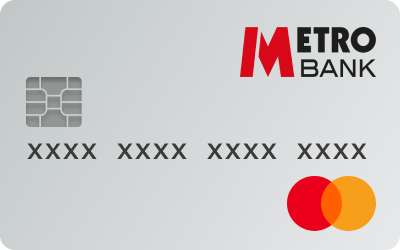
MetroBank Business Credit Card

metrobank

Annual fee: £0
Purchase rate: 18.9% p.a. (variable; single flat rate offered to all customers)
Representative APR: 18.9% variable
Cashback: None
Interest-free period: Up to 56 days
FX fee: None within SEPA countries; standard fees apply outside Europe
Cash advance limit: Maximum £300 per day
Award: Moneyfacts Five-Star rated (June 2025)

Our Verdict: Metro Bank’s Business Credit Card offers a genuinely flat rate: every customer accepted for the card receives 18.9% p.a., with no variable range and no uncertainty about the rate you will actually be offered. For businesses that value rate certainty, this is a meaningful differentiator. The zero annual fee and zero FX fee within SEPA countries (covering most of Europe) make it a cost-effective option for businesses with European trading activity. The requirement to apply in branch limits access to businesses in England and Wales with a Metro Bank nearby, and the absence of cashback is the main feature gap relative to Capital on Tap and the high-street bank cards.

Overview

Pros & Cons

Eligibility Criteria

Santander Business Cashback Credit Card
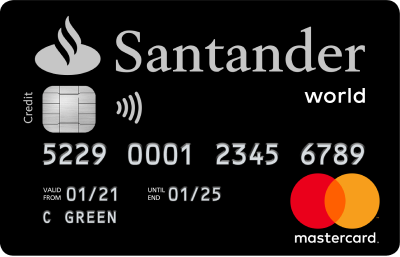
Annual fee: £30 per account (covers all cardholders, up to 4 cards total)
Purchase rate: 18.9% p.a. (variable)
Representative APR: 23.7% variable
Cashback: 1% on all eligible spend, uncapped, no monthly minimum
Interest-free period: Up to 56 days
FX fee: None on purchases made in local currency abroad
Credit limit: £500 to £25,000

Our Verdict: For businesses that consistently clear their full balance, Santander is the most cost-effective cashback card with international spending in this comparison. The 1% uncapped cashback with no monthly minimum spend threshold is more accessible than Barclaycard’s structure, and the zero FX fee is the most significant differentiating feature for businesses that buy from overseas suppliers, use international software subscriptions, or travel. The £30 annual fee covers the account rather than each card, so multiple users cost no more. The requirement to already bank with Santander is a real barrier, but for existing customers it is the best combination of cashback, FX cost, and purchase rate available to sole traders on this page.

Important note on placement: At 18.9% p.a., Santander’s purchase rate is one of the highest on this page. It appears here because it is included in low-interest comparisons across the market and because its 1% uncapped cashback and zero FX fee make it a genuinely competitive card for businesses that pay the full balance every month. If you are likely to carry a balance, the interest cost at 18.9% p.a. will outweigh the cashback benefit quickly. For a broader view of cashback options, see our guide to the best cashback and reward business credit cards.

Overview

Pros & Cons

Eligibility Criteria

Barclaycard Business Select Credit Card
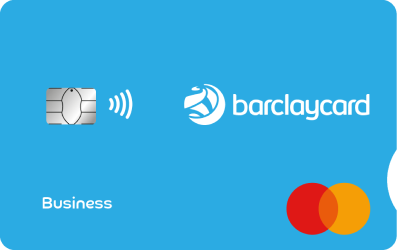
Barclaycard Payment Select Large

Annual fee: £0
Purchase rate: 25.5% p.a. (variable)
Representative APR: 25.5% variable
Cashback: 1% on all eligible spend, but only in months when statement spend reaches £2,000 or more
Interest-free period: Up to 56 days
FX fee: 2.99%
Accounting integration: Free FreshBooks Plus plan included
Award: Business Moneyfacts Best Business Card Provider for the 12th consecutive year (2025)

Our Verdict: For businesses that pay the full balance every month, spend consistently above £2,000 per month on the card, and do not need or want to open a separate business bank account, Barclaycard Select Cashback is a strong no-fee option. The free FreshBooks Plus plan (covering invoicing, expense tracking, and time tracking) adds genuine value. Start-ups are accepted with a credible business plan showing £10,000 or more in projected turnover. For any business that carries a balance, this card is entirely unsuitable; 25.5% p.a. is the highest purchase rate in this comparison by a significant margin.

Important note on placement: At 25.5% p.a., Barclaycard’s purchase rate is the highest on this page. It appears here because it is a prominent no-fee business card available without a requirement to hold a Barclays business bank account, and because it offers 1% cashback for businesses that reliably spend more than £2,000 per month and pay their balance in full. It is not a low-interest card and is entirely unsuitable for carrying a balance. It is positioned last on this page accordingly.

Overview

Pros & Cons

Eligibility Criteria

Which Card is Right for Your Business?

If you are a limited company or LLP and want the lowest possible rate with cashback

Capital on Tap is the obvious choice. The starting rate of 13.86% p.a. is the lowest on this page, the cashback is unlimited with no threshold, and there is no annual fee or FX charge. Check your eligibility with their soft search tool before applying. See our full Capital on Tap review for a complete assessment, including how the free and Pro versions compare.

If you are a sole trader and want the lowest possible rate

Bank of Scotland offers the lowest purchase rate (14.9% p.a.) available to sole traders on this page, combined with a transparent representative APR and no first-year fee. The requirement to hold a Bank of Scotland Business Current Account applies. If you already bank with Lloyds (part of the same group), the Lloyds Business Credit Card offers the same rate structure. For the full range of sole trader options, see our guide to the best business credit cards for sole traders.

If you are an HSBC customer

The HSBC Commercial Credit Card at 15.9% p.a. is a competitive option if you already hold an HSBC business account. The representative APR of 22% overstates the true interest cost due to the annual fee; the purchase rate is the relevant figure for comparing borrowing costs.

If you want a flat rate with no uncertainty and no annual fee

Metro Bank’s flat 18.9% rate means you know exactly what you will pay if you carry a balance, with no variable range and no risk of being offered a higher rate. The catch is the in-branch application requirement and geographic restriction to England and Wales.

If you pay the full balance every month and want cashback on international spending

Santander Business Cashback gives you 1% on all spend with no monthly minimum and no FX fee. At 18.9% p.a. it is not a low-interest card for balance carriers, but for full payers it is the most cost-effective option when FX spending is a factor. Requires an existing Santander Business Current Account.

If you want interest-free periods rather than a low ongoing rate

If your priority is avoiding interest entirely rather than minimising it, a card with a 0% purchase period may serve you better than any of the cards on this page. See our guide to the best interest-free business credit cards for the current market overview. Our full business credit card comparison table covers the entire market if you want to assess all options side by side.

Low-Interest Business Credit Card FAQs

As of March 2026, Capital on Tap offers the lowest starting purchase rate at 13.86% p.a. variable, but this is a rate range and the rate you receive will depend on your business credit profile. Among high-street bank cards with fixed representative APRs, Bank of Scotland and Lloyds offer 14.9% p.a. purchase rate (15.95% representative APR), available to existing customers. Metro Bank offers a flat 18.9% p.a. to all approved applicants with no rate variation.

If you consistently pay the full balance every month, the APR is irrelevant; you pay no interest. In that case, a card’s annual fee, cashback rate, FX charges, and accounting integrations are the relevant factors to compare. The best business credit cards guide covers the full market with these factors weighted more evenly.

Yes, but the options are more limited. Capital on Tap (the lowest-rate card on this page) is restricted to limited companies and LLPs. Sole traders can access Bank of Scotland (14.9% p.a.), HSBC (15.9% p.a.), NatWest (16.9% p.a.), Metro Bank (18.9% p.a.), and Santander (18.9% p.a.), all of which require existing accounts with those banks. Barclaycard does not require a Barclays account but carries a 25.5% p.a. purchase rate. See our best business credit cards for sole traders guide for a full sole trader-focused comparison.

The purchase rate is the annual interest rate applied to spending if you carry a balance. The representative APR is a regulatory figure that combines the purchase rate with any annual fee, calculated over a standardised balance of £1,200. Cards with a modest annual fee and a low purchase rate (such as HSBC at 15.9% purchase rate, 22% representative APR, or NatWest at 16.9% purchase rate, 24.3% representative APR) can appear more expensive than they are when representative APRs are compared. Always compare purchase rates when assessing the true cost of borrowing. See our full explanation in the section above for worked examples.

No. Capital on Tap advertises a rate starting from 13.86% p.a., but this is the lower end of a variable rate range. The rate you are offered depends on your business credit profile. The representative APR shown in advertising (34.65%) reflects a mid-range example rate, which gives a more realistic indication of what many customers will receive. Businesses with a strong credit profile and established trading history are more likely to be offered rates toward the lower end of the range. Use Capital on Tap’s soft eligibility check to get an indicative rate before committing to a full application.

Business credit cards rarely offer 0% balance transfer periods. Most 0% introductory offers on the market apply to new purchases rather than existing debt. If you are looking to reduce the cost of existing business debt, our guide to interest-free business credit cards covers current 0% purchase options. For broader debt management questions, our guide to business credit cards covers the key considerations. The difference between a credit card and a charge card is also worth understanding when comparing options; see our business credit cards vs charge cards guide for a clear explanation.

It depends on the card. Bank of Scotland, HSBC, NatWest, Metro Bank, and Santander all require you to hold a business current account with them. Capital on Tap does not require a specific bank account, though you must be a UK-registered limited company or LLP. Barclaycard Select Cashback also requires no Barclays business account and is open to sole traders and limited companies alike. If you do not yet have a business bank account and are considering opening one to access a specific card, our guides to the best startup business bank accounts and best business bank accounts overall may help you choose the right account.

Advertising disclosure: Business Expert is an independent comparison site. Some products featured on this page may earn us a commission if you apply via our links. This does not influence our editorial assessments, the order in which cards are reviewed (which is determined by purchase rate), or the inclusion or exclusion of any card. All data is correct as of March 2026. Interest rates, fees, and eligibility criteria are subject to change. Always verify current terms directly with the card provider before applying. This article does not constitute financial advice. If you are unsure which product is right for you, consider speaking to a qualified financial adviser.

Business Expert’s Newsletter

By clicking “Subscribe”, You accept our Terms & Conditions and Privacy Policy