Which Barclaycard Fits Your Business?
| Your Situation | Best Fit |
|---|---|
| Clear the balance monthly, want cashback, no bank requirement | Select Cashback |
| Always pay in full, prefer a charge card structure | Select Charge |
| Heavy overseas spend, or enough regular interest costs to recover the £150 fee | Premium Plus |
| Need credit limits above £25k (limited company only) | Capital on Tap (see below) |
| Want Membership Rewards points over cashback | Amex Business Gold (see below) |
| Verified 21 July 2026. | |
Which Barclaycard at What Spend Level?
The right card turns on two things: how much you spend each month, and whether you ever carry a balance. Modelling the effective annual cost at three spend levels shows where the lines cross.
These numbers assume a 30-day balance carried once a quarter and cleared in full the other nine months. Clear in full every month and Select Cashback wins outright: no interest to pay, and the cashback is money straight back.
| Monthly spend | Select Cashback (25.5% APR, no fee) | Select Charge (no APR, £42/yr fee) | Premium Plus (lower purchase APR, £150/yr fee) |
|---|---|---|---|
| £1,000/month | No cashback: spend is below the £2,000 monthly threshold. Free if you clear in full; carry £1k for one month per quarter and interest runs ~£85/yr. Net: £0 to −£85 | £42/yr fee; you must clear in full each month. Net: −£42 | Fee £150 + lower interest ~£50 on carried months. Net: −£100. Not worth it at this level. |
| £3,000/month | Cashback ~£360/yr. Carried balance interest ~£255/yr (one month per quarter). Net: +£105 | £42/yr fee and no cashback. A discipline tool, not a saver. Net: −£42 | Fee £150, lower interest ~£150 on carried months. Net cost: −£300 before any cashback. Breaks even only if you carry frequently. |
| £5,000/month | Cashback ~£600/yr. Carried balance interest ~£425/yr. Net: +£175 | £42/yr fee and no cashback, so at this spend Select Cashback earns more even if you always clear. Net: −£42 | Fee £150, lower interest ~£250. Saves ~£175 vs Select on interest. Net: a small saving on interest after the £150 fee, though Select Cashback’s rewards can still win overall. |
| Verified 21 July 2026. | |||
On these numbers, we wouldn’t pay the £150 for Premium Plus unless your spending clearly saves more than that. On purchase interest alone, that means monthly spend around £5,000 or more with part of the balance regularly running into the next month; heavy overseas spend can clear the fee on the FX saving instead. Below that, the saving is too small, and you could avoid the interest anyway by paying in full.
A business putting £8,000 a month through the card and clearing it in full pays only the £42 annual fee on Select Charge. That fee buys enforced monthly clearing and cleanly separated spending, which makes the books easier to reconcile. Select Cashback does the same job with no fee and pays cashback too, so Select Charge only earns its place if you specifically want the payment discipline built in. And once a lumpy month leaves part of the balance unpaid, Select Cashback stays ahead at £3,000 a month or more, because the cashback outweighs the interest.
Premium Plus is worth considering once the interest saving, any overseas-spending saving, or the two together comfortably outweigh its £150 fee.
On interest savings alone, the £150 fee rarely pays back below around £5,000 of monthly spend.
Can You Switch Between Barclaycard Products?
If your spend grows, contact Barclaycard directly to discuss upgrading. A product switch avoids the hard credit search that a fresh application triggers. Barclaycard does allow switches in some cases but doesn’t guarantee them. Check before applying for a second card.
If No Barclaycard Fits Your Business
If none of the Barclaycard options suits the way your business spends, compare the wider market before you apply: our full business credit card comparison covers every major UK provider. The reason to accept Barclaycard’s higher APR is that you don’t have to move your business banking to qualify. So if your own bank will give you a cheaper card, check that first; if it won’t, Barclaycard becomes a lot more useful.
Where Barclaycard really comes into its own is when you bank with Starling, Monzo, or Tide and can’t get a Lloyds card at 15.95% APR because you don’t hold a Lloyds business current account. HSBC and NatWest cards are also closed to you.
That leaves three options that don’t need you to bank with a specific provider: Barclaycard (no account requirement), Capital on Tap (limited companies only), and Amex (acceptance gaps). For a sole trader at a fintech, Barclaycard Select Cashback is often the only traditional revolving credit card left open to you.
When you bank with a high-street provider, check your own bank’s credit card first: the APR is usually lower than Barclaycard’s 25.5%. We cover this in our guide to business credit cards.
Is Barclaycard Worth It If You Already Have a Bank Card?
If your existing bank offers a business credit card at a lower APR, a cheaper card from your existing bank will usually make more sense than adding a Barclaycard, unless you specifically want a second card for spend separation or a backup. The cashback won’t claw back the difference in APR.
If the bank-linked cards are closed to you, the picture flips: Barclaycard becomes the primary card rather than a duplicate, and for a business shut out of the bank-linked cards, the 25.5% APR is the trade-off for having a mainstream credit card at all.
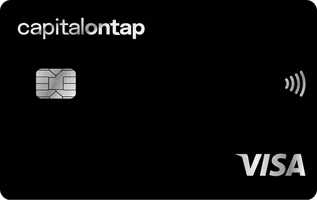 Capital on Tap Business Credit CardHigher limits, no bank requirementRep. APR34.9% variableAnnual Fee£0 / £299
 American Express Business Gold CardPremium rewards alternativeAnnual Fee£0 yr 1, then £195/yrRewards1 MR point per £1
Barclaycard FAQs
Which Barclaycard business card should I get?
Select Cashback if you clear monthly and want cashback with no annual fee. Select Charge if you always pay in full and want a charge card structure. Premium Plus only if your spending saves back its £150 fee, through heavy overseas use, or monthly spend above £5,000 with part of the balance regularly carried.
Do I need a Barclays bank account to get a Barclaycard business card?
No. Barclaycard business cards don’t require a Barclays or Barclaycard business current account. This is one of the main reasons Barclaycard is widely recommended for businesses that bank with fintech providers.
Can sole traders apply for a Barclaycard business card?
Yes. Barclaycard accepts sole traders, partnerships, and limited companies with turnover between £10,000 and £6.5 million.
What is the APR on Barclaycard business cards?
Select Cashback has a representative APR of 25.5%. Premium Plus has a representative APR of 54.3%–55.5% (it carries a £150 annual fee) but a lower purchase rate. Select Charge is a charge card with no APR as the full balance must be cleared monthly.
Can I switch between Barclaycard products later?
Barclaycard does allow product switches in some cases, but it isn’t guaranteed. Contact Barclaycard directly to discuss switching rather than applying for a second card, as a product switch avoids an additional hard credit search.
Is Barclaycard business card worth it if I already have a bank card?
Generally no. If your existing bank offers a business credit card at a lower APR, Barclaycard’s 25.5% isn’t competitive enough to justify adding a second card unless you need it for spend separation or as a backup.
Methodology and Disclosure
How we reviewed Barclaycard Business Cards
Cards covered. This page covers all three Barclaycard business card products: Select Cashback, Select Charge, and Premium Plus. We include Capital on Tap and Amex Business Gold as alternatives where we found the Barclaycard range has a clear gap.
What we verified. We trawled Barclaycard’s own product pages and terms documents in July 2026 and cross-checked annual fees, representative APRs, cashback structures and caps, non-sterling fees, and headline eligibility line by line.
Data sources. No comparison sites, no press releases, no affiliate material. FCA register cross-checked for regulatory status. Five figures were not available in publicly accessible documentation and are marked accordingly.
Update cadence. We re-verify every provider on this page at least monthly, and whenever a provider changes pricing, eligibility, or terms. The verification date on the page reflects the most recent full review. Some links on this page are affiliate links; see our editorial policy.
Related guides
- Best business credit cards
- Best cashback business credit cards
- Capital on Tap review
- Best business credit cards for sole traders
- Best business bank accounts