🏠 Credit Cards» Best Interest-Free Business Credit Cards
31 MIN READ
Advertising Disclosure
Business Expert is an independent comparison site. Some partners may compensate us for promotion. This never affects our impartial evaluations based on fees, customer service, and product features.
Best Interest-Free Business Credit Cards
One UK business card offers a genuine 0% introductory period: Barclaycard Premium Plus (6 months, £150/year). All others give a standard grace period: no interest if you clear the full balance each month.
The UK business card market uses “interest-free” to mean three different things.
A genuine 0% introductory period covers a fixed promotional window after account opening.
A purchase grace period means no interest on purchases cleared by the statement date, which is standard on almost every credit card. A charge or hybrid card is interest-free by structure: the full balance is due monthly.
One card currently offers a genuine 0% introductory period: Barclaycard Premium Plus (6 months). All other cards on this page provide the standard grace period only, or require monthly clearance by their charge-card structure.
We cover all three: the one genuine 0% card, the grace-period credit cards, and the charge and hybrid card alternatives. If you need a dedicated charge card comparison, we cover that separately.
A catering business spending £5,000/month that clears in full pays zero interest on any card here. But if cash flow dips and they carry £3,000 for a month, the difference between Lloyds at 15.95% and Barclaycard at 25.5% is roughly £24. Card type and payment pattern decide the real cost.
Quick Compare
Best Interest-Free Business Credit Cards Compared
Best Interest-Free Business Credit Cards Compared: Best For · Key Feature · Annual Fee
Provider
Best For
Key Feature
Annual Fee
Apply
Capital on TapHigh Limits
UK limited companies that clear monthly and want high credit limits without a bank switch
Rates verified against provider pricing pages, 5 October 2026. All rates are variable and may change after publication. Capital on Tap uses floor-rate pricing: the 13.86% floor is the minimum, not a typical rate, and Capital on Tap publishes no representative APR.
Which Type of Interest-Free Business Card Do You Need?
Which Type of Interest-Free Business Card Do You Need?
Your repayment situation
Card model
Best current option
You need several months to repay a single large purchase interest-free
Genuine 0% introductory card
Barclaycard Premium Plus (6 months, £150/year, 54.3% rep. APR after)
You always clear the full statement balance each month
Grace-period credit card
Barclaycard Select (open access), Capital on Tap (high limits), Funding Circle (cashback)
You may carry a balance for one or two months
Low-APR credit card
Lloyds Business Credit Card (15.95% rep. APR, Lloyds account required)
You want enforced monthly clearance as a cash-flow discipline
Pure charge card or hybrid card
Barclaycard Select Charge (no bank switch), Amex Business Gold (Membership Rewards)
Verified 5 October 2026.
The Three Types of “Interest-Free” Credit Card
The Three Types of “Interest-Free” Credit Card
Type
How it works
Who it suits
UK business market availability
0% introductory APR period
No interest for a fixed promotional period after account opening
Businesses planning a large purchase they want to spread interest-free
Very rare. One current mainstream option: Barclaycard Premium Plus (6 months). Verified October 2026.
Interest-free grace period on purchases (up to 56 days)
No interest on purchases cleared by the statement due date each month
Businesses that reliably clear monthly and want zero interest cost
Standard on most UK business credit cards, not a promotional feature
Charge card (pure) or hybrid charge/credit card
Pure charge: full balance due monthly, no revolving credit. Hybrid: same structure, plus optional balance-carry at a separate APR.
Pure charge: monthly clearers who want the discipline enforced. Hybrid: monthly clearers who occasionally need balance-carry flexibility.
Several providers: Amex (hybrid), Barclaycard, Lloyds, Co-operative Bank
Verified 5 October 2026.
Best Genuine 0% Business Credit Card
Barclaycard Premium Plus is the only mainstream UK business credit card currently offering a genuine introductory 0% period on purchases. The 0% window lasts six months from account opening. After it ends, the representative APR is 54.3%.
The £150 annual fee makes this card worthwhile only if you use the 0% window for a planned purchase, or if you spend regularly abroad and benefit from the 0.99% foreign transaction fee (Funding Circle and Santander charge none).
Open to sole traders, partnerships, limited companies and limited liability partnerships, with no bank account switch required. Barclaycard runs a soft-search eligibility check that leaves no mark on your file, so you can see where you stand before a full application.
This is a genuine promotional offer, not the standard grace period that every other card provides. If you don’t plan to use the full six months, a no-fee grace-period card is a cheaper option.
After the 0% period: The 54.3% representative APR applies from month seven. Carrying a £5,000 balance at that rate for 12 months costs approximately £2,715 in interest. Clear the balance before month six ends.
Rates are variable and may change. The 54.3% representative APR and six-month 0% period were checked at barclaycard.co.uk on 5 October 2026. A variable rate can move between that check and your application.
Why Genuine 0% Business Credit Cards Are So Rare
Personal credit cards routinely offer 0% for 12–24 months because the consumer market is intensely competitive. The UK business card market is smaller, dominated by cards tied to existing bank relationships, and lenders have historically had little incentive to offer promotional 0% periods.
There is a regulatory difference too. Personal 0% deals are heavily marketed under FCA consumer credit rules requiring clear disclosure of the revert rate. Business credit products face different disclosure requirements and have been structured around ongoing rates rather than promotional windows.
Until recently, no mainstream UK business card had offered a genuine 0% introductory period. Barclaycard Premium Plus is currently the single exception. In our October 2026 review, we found no second provider offering a comparable product. We will update this page if that changes.
Search results for “0% business credit cards UK” mostly return standard grace-period cards. Those are useful products, but they are not the same: the grace period disappears the moment you stop clearing in full.
A business financing £10,000 over 12 months on Lloyds at 15.95% pays roughly £870 in interest. On Barclaycard at 25.5%, the same balance costs approximately £1,400.
For large planned purchases beyond the six-month 0% window, business loans or asset finance often carry a lower rate than any card on this page.
The 56-Day Interest-Free Window: How to Maximise Your Card
Most credit cards on this page offer up to 56 days interest-free on purchases. The “up to” matters: the actual number of interest-free days depends on when in the billing cycle you make the purchase.
Your card has a statement date: the day the provider generates your bill. You then have a payment due date, typically 25–30 days later. The interest-free period runs from the purchase date to the payment due date.
Buy the day after your statement closes and you get the full ~56 days. Buy the day before and you get only ~25 days.
The 56-Day Interest-Free Window: How to Maximise Your Card
Purchase timing
Example (statement date: 15th)
Interest-free days
Day after statement closes
Buy on 16 Jan, statement closes 15 Feb, payment due ~14 Mar
~56 days
Mid-cycle
Buy on 1 Feb, statement closes 15 Feb, payment due ~14 Mar
~41 days
Day before statement closes
Buy on 14 Feb, statement closes 15 Feb, payment due ~14 Mar
~28 days
Verified 5 October 2026.
Time large planned purchases to fall just after your statement date and you get the maximum interest-free window. For a £5,000 purchase on a 25.5% APR card, the difference between 56 days and 28 days interest-free is roughly £98 in interest if you carry the balance.
One critical rule: the 56-day interest-free period only applies if you cleared your previous statement in full.
Carry any balance from the prior month and interest accrues on new purchases from the date of purchase, with no grace period. The worst pattern is a persistent small balance: it eliminates the grace period on every new purchase indefinitely.
Can You Use Two Cards to Extend Your Interest-Free Period?
In theory, yes. If you hold two business credit cards with different statement dates, you can direct large purchases to whichever card just had its statement close, maximising the interest-free window.
In practice, this requires tracking two statement dates, two payment dates, and clearing both cards in full each month. Miss a payment on either and you lose the grace period on that card.
This works for businesses with one or two large monthly expenses but adds complexity to everyday spending. If the cash flow challenge is structural rather than timing-based, a low-APR card is a more honest solution.
Card-by-card reviews: grace-period credit cards
Credit Cards: Up to 56-Day Interest-Free Period
These cards charge no interest on purchases when you clear the full balance by the statement due date. The interest-free window is up to 56 days, depending on when in the billing cycle a purchase is made. The key differences are APR, access requirements, and any cashback or rewards.
Capital on Tap Business Credit Card
Up to 56-day interest-free period: limited companies only
Rep. APRNot published
Annual Fee£0 / £299
Up to 56-day interest-free period: limited companies only
Capital on Tap Business Credit Card
Standard up-to-56-day interest-free window applies when you clear the full balance.
Representative APRNot published (rates from 13.86% variable)
Annual Fee£0 (free card) / £299 (Pro card)
Best for: UK limited companies that clear monthly and want high credit limits without a bank switch
Watch out: Floor-rate pricing. Most applicants are offered well above 13.86%. Sole traders excluded.
Not ideal if: You carry a balance, you’re a sole trader, or you assume you’ll receive the floor rate
Floor APRFrom 13.86% variable
Representative APRNot published (rates from 13.86% variable)
Annual Fee£0 (free card) / £299 (Pro card)
Existing AccountNo bank switch required
Eligibility: UK limited companies, LLPs and PLCs. Sole traders excluded. Companies House registration required. No published minimum turnover. No need to switch your business bank.
Not ideal if: You carry a balance, you’re a sole trader, or you assume you’ll receive the floor rate
Watch out: Floor-rate pricing. Most applicants are offered well above 13.86%. Sole traders excluded.
Credit limits up to £250,000
No need to switch banks or providers
1% cashback on all spend, or convert points to Avios at 10 points to 8 Avios
Points also convert to Virgin Points at 10 to 8
No FX fees on overseas purchases
Instant virtual card on approval
No annual fee (free tier)
The 13.86% floor is the published minimum, not your likely rate; your rate is priced individually and shown during the application
Sole traders excluded, limited companies, LLPs and PLCs only
Pro card carries £299/year annual fee
Avios conversion is a manual step in the Rewards area, not automatic
1% cashback on all spend (uncapped)
Credit limits up to £250,000
Instant virtual card issued on approval
No FX fees on overseas spend
Funding Circle Cashback Business Credit Card
Up to 42-day interest-free period with 2% intro cashback
Rep. APR34.9% variable
Annual Fee£0
Up to 42-day interest-free period with 2% intro cashback
Funding Circle Cashback Business Credit Card
An up-to-42-day interest-free window applies when you clear the full balance monthly.
Best for: Limited companies that clear monthly and want cashback on top of the interest-free window
Watch out: 34.9% representative APR. Limited companies only. 2% cashback drops to 1% after 6 months.
Not ideal if: You are a sole trader or partnership. Funding Circle accepts UK limited companies only.
Representative APR34.9% variable
Annual Fee£0 No annual fee
Cashback2% for first 6 months (up to £2,000), then 1% uncapped
Existing AccountNo need to switch your business bank
Eligibility: UK limited companies only. Sole traders and partnerships excluded. Minimum 1 year trading history required. No need to switch your business bank. Soft-search eligibility check available before full application.
Not ideal if: You are a sole trader or partnership. Funding Circle accepts UK limited companies only.
Watch out: 34.9% representative APR. Limited companies only. 2% cashback drops to 1% after 6 months.
2% cashback for the first 6 months (up to £2,000), then 1% uncapped
No need to switch your business bank
No annual fee
Online application with soft-search eligibility check
34.9% representative APR, higher than a high-street business card
Minimum 2 years trading in the UK
2% intro cashback capped at £2,000 total cashback
2% cashback for the first 6 months (up to £2,000), then 1% uncapped
No annual fee
Sole traders, limited companies and partnerships
Soft-search eligibility check available
Barclaycard Select Cashback Business Credit Card
Up to 56-day interest-free period: no bank switch needed
Rep. APR25.5% variable
Annual Fee£0
Up to 56-day interest-free period: no bank switch needed
Barclaycard Select Cashback Business Credit Card
Pays no interest if you clear the balance in full by each statement date.
Best for: Monthly clearers without a traditional business account who want the longest interest-free window
Watch out: 25.5% APR applies immediately if you carry a balance. The interest-free period disappears the moment you stop clearing in full.
Not ideal if: You ever carry a balance month to month. The APR is the highest among the low-fee cards on this list.
Representative APR25.5% variable
Cashback1% on all spend in months of £2k or more Uncapped
Annual Fee£0 No annual fee
Existing AccountNo need to bank with Barclays
Eligibility: No need to bank with Barclays. Open to sole traders, partnerships, and limited companies. Annual turnover £10,000–£6.5m. Subject to credit status.
Not ideal if: You ever carry a balance month to month. The APR is the highest among the low-fee cards on this list.
Watch out: 25.5% APR applies immediately if you carry a balance. The interest-free period disappears the moment you stop clearing in full.
No need to bank with Barclays, open to any business
No annual fee
1% cashback on all spend in any month you spend £2,000 or more (uncapped)
Available to sole traders, partnerships, and limited companies
25.5% representative APR, highest among traditional bank cards on this list
No cashback in a statement month where spend stays under £2,000
No FX fee waiver on overseas purchases
Representative APR 25.5% variable
1% cashback on all spend in any month you spend £2,000 or more (uncapped)
No annual fee
No need to bank with Barclays
Lloyds Bank Business Credit Card
Lowest APR if you carry a balance, plus 56-day grace period
Rep. APR15.95% variable
Annual Fee£32 per cardholder
Lowest APR if you carry a balance, plus 56-day grace period
Lloyds Bank Business Credit Card
The lowest representative APR of any card on this page.
Best for: Lloyds customers who want the lowest interest cost when they can’t clear in full
Watch out: £32 annual fee not waived unless you spend £6k+ per year. At lower volumes, Metro Bank’s no-fee card costs less overall.
Not ideal if: You don’t bank with Lloyds and would need to switch
Representative APR15.95% variable
Purchase Rate14.9% p.a. variable
Annual Fee£32 per cardholder Waived yr 1; waived at £6k+ annual spend
Existing AccountLloyds business account required
Eligibility: Sole traders, partnerships, and company directors. Lloyds business current account required. Credit limits up to £25,000. Subject to credit approval.
Not ideal if: You don’t bank with Lloyds and would need to switch
Watch out: £32 annual fee not waived unless you spend £6k+ per year. At lower volumes, Metro Bank’s no-fee card costs less overall.
Representative APR 15.95% variable
14.9% purchase rate (variable)
£32 annual fee waived in year 1 and at £6,000+ annual spend
Available to sole traders, partnerships, and limited companies
Lloyds business current account required
£32 per-cardholder annual fee if spend is below £6,000
No rewards or cashback programme
No FX fee waiver on overseas purchases
Representative APR 15.95% variable
Purchase rate 14.9% p.a. variable
£32 annual fee per cardholder (waived yr 1; waived at £6k+ spend)
Available to sole traders, partnerships, and limited companies
Best for: Low-to-medium spenders near a Metro Bank branch who want zero fixed card costs
Watch out: Branch-only application. Metro Bank’s network is London and southeast-centric.
Not ideal if: You’re outside the southeast or need an online application
Representative APR18.9% variable
Purchase Rate18.9% p.a. variable
Annual Fee£0 No fee, no waiver threshold
Existing AccountMetro Bank business account required
Eligibility: Sole traders and limited companies. Metro Bank business current account required. Must apply in branch; online applications are not accepted. Subject to credit approval.
Not ideal if: You’re outside the southeast or need an online application
Watch out: Branch-only application. Metro Bank’s network is London and southeast-centric.
No annual fee at all, no waiver threshold to hit
18.9% representative APR, competitive
Simple, transparent cost structure
Metro Bank business current account required
Must apply in a Metro Bank branch, no online application
Metro Bank branch network is London-centric
No rewards or cashback programme
Representative APR 18.9% variable
No annual fee
Metro Bank business account required
In-branch application only
HSBC Business Credit Card
Low purchase rate for HSBC customers
Rep. APR22% variable
Annual Fee£32 per card
Low purchase rate for HSBC customers
HSBC Business Credit Card
A competitive 15.9% purchase rate, but the annual fee pushes the representative APR to 22%.
Best for: Existing HSBC business customers who carry a balance and want a low purchase rate
Watch out: The £32 fee isn’t waivable after year 1. FX fee is 2.99%. Not worth switching banks for.
Not ideal if: You don’t already have an HSBC business account
Representative APR22% variable
Purchase Rate15.9% p.a. variable
Annual Fee£32 per card Waived in year 1
Existing AccountHSBC business account required
Eligibility: HSBC business current account required. Open to sole traders, partnerships, and limited companies. Credit limits from £500. Subject to credit approval.
Not ideal if: You don’t already have an HSBC business account
Watch out: The £32 fee isn’t waivable after year 1. FX fee is 2.99%. Not worth switching banks for.
15.9% purchase rate, second lowest available
£32 annual fee waived in year 1
22% representative APR, competitive
HSBC business current account required
£32 fee is not waivable after year 1
2.99% FX fee on overseas purchases
No rewards or cashback programme
Representative APR 22% variable
Purchase rate 15.9% p.a. variable
£32 annual fee per card (waived in year 1)
2.99% FX fee on non-sterling transactions
NatWest Business Credit Card
Up to 56-day interest-free period: NatWest customers only
Rep. APR24.3% variable
Annual Fee£30 per cardholder
Up to 56-day interest-free period: NatWest customers only
NatWest Business Credit Card
A credit card with up to 56 days interest-free on purchases when you clear the full balance.
Best for: NatWest customers with turnover up to £2m who clear monthly
Watch out: £30/year per cardholder after year one, waived at £6,000+ annual spend. Requires NatWest business account. Only available to UK businesses with turnover up to £2m.
Not ideal if: You don’t bank with NatWest, or turnover is above £2m
Representative APR24.3% variable
Purchase Rate16.9% p.a. variable
Annual Fee£30 per cardholder Waived at £6k+ annual spend per card
Cashback1% at fuel & EV charging Uncapped, credited monthly
Existing AccountNatWest business account required
Eligibility: NatWest business current account required. Available to UK businesses with turnover up to £2m. Subject to NatWest credit approval.
Not ideal if: You don’t bank with NatWest, or turnover is above £2m
Watch out: £30/year per cardholder after year one, waived at £6,000+ annual spend. Requires NatWest business account. Only available to UK businesses with turnover up to £2m.
1% cashback (uncapped) at eligible fuel and EV charging providers, credited monthly
16.9% purchase rate is among the lowest on this list
£30 annual fee waived in year one, and at £6,000+ annual spend per card thereafter
Up to 56 days’ interest-free credit on purchases when paid in full
NatWest business current account required
24.3% representative APR
£30 per-cardholder fee stacks up for teams unless each hits the waiver
2.95% non-sterling transaction fee on overseas spend
Cashback is limited to fuel and EV charging; no rewards on general spend
1% cashback (uncapped) at eligible fuel and EV charging providers
Purchase rate 16.9% p.a. variable
Up to 56 days’ interest-free on purchases (paid in full)
£30 per-cardholder fee (waived in year one and at £6k+ annual spend)
2.95% non-sterling transaction fee
Santander Business Cashback Credit Card
Up to 56-day interest-free period: Santander customers only
Rep. APR23.7% variable
Annual Fee£30 per account
Up to 56-day interest-free period: Santander customers only
Santander Business Cashback Credit Card
Santander Business Cashback Credit Card: up to 56 days interest-free on purchases when you clear the full balance.
Best for: Santander business customers who clear monthly and issue cards to several employees
Watch out: £30 annual fee. Santander Business Current Account required. 18.9% p.a. on any balance you carry.
Not ideal if: You don’t bank with Santander
Representative APR23.7% variable
Purchase Rate18.9% p.a. variable
Annual Fee£30 per account Single fee covers all cardholders
Existing AccountSantander business account required
Eligibility: Santander Business Current Account required. Open to sole traders, partnerships, LLPs and private limited companies with no more than 2 partners or directors.
Not ideal if: You don’t bank with Santander
Watch out: £30 annual fee. Santander Business Current Account required. 18.9% p.a. on any balance you carry.
Flat £30 per-account fee covers all cardholders, better value for teams
1% cashback on all spend
No foreign transaction fees on purchases abroad in the local currency (cash withdrawals carry a 3% fee, minimum £3)
23.7% representative APR, mid-range
18.9% purchase rate
Santander 1|2|3 Business Current Account required
Personal guarantees required
Maximum 2 directors or partners on the account
Credit limits £500 to £25,000
1% cashback on all spend
No foreign transaction fees on overseas purchases
£30 annual fee per account (covers all cardholders)
Representative APR 23.7% variable
Purchase rate 18.9% p.a. variable
Charge and hybrid cards
Charge and Hybrid Cards: Interest-Free by Structure
Pure charge cards require the full balance to be paid every month. No revolving credit facility means no purchase interest can ever accrue.
Hybrid cards such as Amex Business Gold, Basic and Platinum add a Flexible Payment Option (FPO) that lets you carry selected balances at a separate APR. If you do not elect the FPO, they behave as pure charge cards and carry no interest.
The monthly clearance obligation cuts both ways. Missing a payment on a charge card is more serious than on a credit card: there is no minimum payment option. A charge or hybrid card only makes sense if cash flow reliably covers the full monthly balance.
Hybrid charge card: up to 54 days interest-free, optional balance-carry at 29.1% APR
Annual Fee£0 yr 1, then £195/yr
Rewards1 Membership Rewards point per £1
Hybrid charge card: up to 54 days interest-free, optional balance-carry at 29.1% APR
American Express Business Gold Card
Amex Business Gold is a hybrid card: the full balance is due monthly by default, but a Flexible Payment Option (FPO) lets you carry selected balances at 29.1% APR.
Rewards1 Membership Rewards point per £1 (2x on Amex Travel)
Best for: High-spending limited companies and LLPs that reliably clear monthly and want Membership Rewards
Watch out: Limited companies and LLPs only since January 2026; sole traders and unlimited partnerships excluded. £195/year from year 2. Pay Over Time option attracts 29.1% APR on any carried balance.
Not ideal if: Sole traders or partnerships. You need to carry a balance regularly at a low cost.
Annual Fee£0 yr 1, then £195/yr
Rewards1 Membership Rewards point per £1 (2x on Amex Travel)
Card TypeCharge card with Flexible Payment Option (from Jan 2026)
Existing AccountCurrent UK bank or building society account needed
Eligibility: Limited companies and LLPs only. Sole traders and unlimited partnerships excluded since January 2026. The business needs a current UK bank or building society account. Subject to Amex status approval.
Not ideal if: Sole traders or partnerships. You need to carry a balance regularly at a low cost.
Watch out: Limited companies and LLPs only since January 2026; sole traders and unlimited partnerships excluded. £195/year from year 2. Pay Over Time option attracts 29.1% APR on any carried balance.
Flexible Membership Rewards, transfer to Avios, hotel programmes, or statement credit
£0 annual fee in year 1
1 Membership Rewards point per £1 (2x on Amex Travel)
Current UK bank or building society account needed
Available to limited companies and LLPs (sole traders and partnerships are not eligible)
£195/year annual fee from year 2
2.99% foreign transaction fee on non-sterling purchases
Amex acceptance isn’t universal in the UK, particularly among smaller suppliers; check your regular suppliers before relying on it
Charge card, balance must be paid monthly (unless using Pay Over Time at 29.1% APR)
Supplementary cards capped at 20 (free of charge)
£0 year 1, then £195/year
1 Membership Rewards point per £1 spent (2x on Amex Travel)
Transfer to partners including British Airways Avios, Marriott Bonvoy and Virgin Atlantic
Pay Over Time option available at 29.1% APR
American Express Basic Business Card
Hybrid charge card: no fee, interest-free if cleared, Pay Over Time option
Annual Fee£0
RewardsNone
Hybrid charge card: no fee, interest-free if cleared, Pay Over Time option
American Express Basic Business Card
Amex Business Basic is a no-fee charge card with a Pay Over Time option for carried balances.
Best for: Any legal form wanting Amex acceptance at no annual cost, and that reliably clears monthly
Watch out: No Membership Rewards programme. Pay Over Time interest applies on any carried balance, at a rate Amex sets on application.
Not ideal if: You want points or cashback from your card spend
Annual Fee£0 No annual fee
RewardsNone (no-fee card)
Card TypeCharge card: pay in full each month No preset spending limit
Existing AccountCurrent UK bank or building society account needed
Eligibility: Sole traders, partnerships, limited companies, and LLPs accepted. No need to switch your business bank. Subject to Amex credit approval.
Not ideal if: You want points or cashback from your card spend
Watch out: No Membership Rewards programme. Pay Over Time interest applies on any carried balance, at a rate Amex sets on application.
No annual fee, the only Amex business card with no annual cost
Balance paid in full every month
Current UK bank or building society account needed
No Membership Rewards programme, earns no points or cashback
Amex acceptance gaps, some UK suppliers do not accept American Express
£0 annual fee
Charge card: pay in full each month
No Membership Rewards
Current UK bank or building society account needed
American Express Business Platinum Card
Premium hybrid charge card: interest-free by structure, optional balance-carry at 29.1% APR
Annual Fee£650/yr
Rewards1 Membership Rewards point per £1
Premium hybrid charge card: interest-free by structure, optional balance-carry at 29.1% APR
American Express Business Platinum Card
Amex Business Platinum is a hybrid card: the full balance is due monthly by default, but a Flexible Payment Option lets you carry selected balances at 29.1% APR.
Best for: Businesses spending £10k+/month that travel frequently and reliably clear monthly
Watch out: £650 annual fee. Limited companies and LLPs only. Pay Over Time attracts 29.1% APR on any carried balance.
Not ideal if: Monthly spend under £5k, sole traders, or you need to carry a balance regularly
Annual Fee£650/yr (employee cards included)
Rewards1 Membership Rewards point per £1
Card TypeCharge card with Flexible Payment Option
Existing AccountCurrent UK bank or building society account needed
Eligibility: Limited companies and LLPs. The business needs a current UK bank or building society account. Supplementary cards available. Subject to Amex status approval.
Not ideal if: Monthly spend under £5k, sole traders, or you need to carry a balance regularly
Watch out: £650 annual fee. Limited companies and LLPs only. Pay Over Time attracts 29.1% APR on any carried balance.
Access to 1,550+ airport lounges worldwide
Employee cards at no extra cost: 1 Platinum and up to 19 Gold
Travel insurance covering the cardholder and employee cardholders
Membership Rewards points transferable to Avios, hotel, and airline partners
£650/year annual fee; includes 1 complimentary Platinum and up to 19 complimentary Gold employee cards
Amex acceptance isn’t universal in the UK, particularly among smaller suppliers; check your regular suppliers before relying on it
Charge card, balance must be paid monthly
Earns the same 1 point per £1 as the Gold card, so the extra £455 buys travel benefits rather than points
£650/year (1 complimentary Platinum + up to 19 Gold employee cards)
1 Membership Rewards point per £1 spent
1,550+ airport lounges
Transfer to airline and hotel partners including British Airways, Marriott Bonvoy and Virgin Atlantic
Barclaycard Select Charge Card
Pure charge card: interest-free by structure, no bank switch needed
Annual Fee£42 per account
Card TypeCharge card
Pure charge card: interest-free by structure, no bank switch needed
Barclaycard Select Charge Card
Barclaycard Select Charge Card: £42/year with no business account requirement.
Best for: Co-operative Bank business customers (limited companies and LLPs) who clear monthly
Watch out: £2/month fee after the first 6 months. Not available to sole traders or to partnerships of two or three partners. Co-operative Bank business account required.
Not ideal if: You don’t bank with The Co-operative Bank, or you are a sole trader or small partnership
Monthly FeeFree for 6 months, then £2 per card/month
Card TypeCharge card (pay in full monthly) Up to 48 days interest-free
Interest-Free PeriodUp to 48 days
Existing AccountCo-op business account required
Eligibility: Co-operative Bank business current account required. Not offered to sole traders, partnerships of two or three partners, or unincorporated organisations. Limited companies and LLPs accepted. Subject to credit approval. Verified at co-operativebank.co.uk.
Not ideal if: You don’t bank with The Co-operative Bank, or you are a sole trader or small partnership
Watch out: £2/month fee after the first 6 months. Not available to sole traders or to partnerships of two or three partners. Co-operative Bank business account required.
Free for the first 6 months, then £2/month per card
Up to 48 days interest-free on purchases before the monthly statement is due
Co-operative Bank business current account required
No rewards programme included
Not offered to sole traders, partnerships with two or three partners or unincorporated organisations
Co-op’s branch network is limited compared to clearing banks
£2/month (£24/year) per card
Up to 48 days interest-free on purchases
Mandatory full monthly clearance
Co-op business account required
If Interest-Free Cards Aren’t Available, Low APR Is Your Next Best Option
When a 0% introductory period isn’t available or doesn’t cover the full repayment window, the practical alternative is the lowest standard APR you can access.
Our UK business-card APR dataset shows the lowest representative APR is currently 15.95% (Lloyds). The no-fee option with a competitive rate is Metro Bank at 18.9%. Both require an existing account.
A catering business carrying an average £4,000 balance pays approximately £638 per year on Lloyds at 15.95%. On Barclaycard at 25.5%, the same balance costs £1,020, a difference of £382 per year.
Is a Business Loan Cheaper Than a Credit Card for Large Purchases?
Often, yes. Unsecured business loans from mainstream lenders start at around 6–10% APR for established businesses with good credit. The lowest credit card on this page is 15.95%.
If you need to finance a specific purchase of £5,000 or more over 12–24 months, a business loan or asset finance will typically cost less than carrying the balance on a credit card.
The credit card advantage is flexibility: you draw down and repay as needed, without a fixed repayment schedule. For a single defined purchase, compare a loan quote alongside the card option before deciding.
Our Verdict
Choose by repayment behaviour, not the word “interest-free” alone.
Premium Plus only makes sense if you will use the full six-month 0% window: the £150 fee is otherwise hard to justify. For monthly clearers, Barclaycard Select, Capital on Tap and Funding Circle cover the main situations. If you carry a balance, Lloyds at 15.95% is the cheapest option here.
APR comparisons and fee details are in the card reviews above. Barclaycard Premium Plus representative rate verified at barclaycard.co.uk on 5 October 2026.
Interest-Free FAQs
Is there a genuine 0% interest business credit card in the UK?
Yes, one mainstream option currently: Barclaycard Premium Plus offers 0% on purchases for 6 months from account opening (£150/year, 54.3% rep. APR after). All other UK business cards use a standard grace period only, which requires clearing the full balance monthly. Verified October 2026.
What does “up to 56 days interest-free” mean?
If you clear your full statement balance by the due date each month, you pay no interest on purchases made during that billing cycle. The actual number of interest-free days depends on when in the cycle you make the purchase. Buying the day after your statement closes gives you the full 56 days.
What is the difference between a charge card, a hybrid card and a credit card for interest?
A pure charge card requires full monthly repayment; no interest ever accrues. A hybrid card (such as Amex Business Gold or Platinum with Flexible Payment Option) lets you carry selected balances at a separate APR. A credit card lets you carry any balance, with interest on the amount not cleared by the due date.
Do I lose my interest-free period if I carry a balance one month?
Yes. If you carry any balance from a previous statement, most providers start charging interest on new purchases from the date of purchase. The grace period disappears. It resets once you return to clearing the full balance.
Are business credit cards covered by the Consumer Credit Act?
Sole traders and smaller partnerships may be covered by the Consumer Credit Act 1974 and FCA consumer credit rules when borrowing £25,000 or less. Limited companies are generally outside consumer credit protections. Your eligibility for regulatory protection depends on your legal form and the size of the facility. This is general information, not legal advice.
Can I get a 0% balance-transfer business credit card?
Genuine 0% balance-transfer offers on UK business credit cards are very rare. At our October 2026 review, we found no mainstream UK business card offering a 0% balance-transfer period. A business loan or personal balance-transfer card is typically a more practical route for clearing existing balances.
Is a business loan cheaper than a credit card for a large purchase?
Often, yes. Unsecured business loans from mainstream lenders start at around 6–10% APR for established businesses, compared to 15.95% or higher on even the cheapest business credit card. A loan makes more sense for a single defined purchase over 12–24 months. A credit card is more practical for ongoing, variable cash flow needs.
How we reviewed interest-free business credit cards
What we covered. We read every 0% and low-APR business credit card we could find on sale in the UK, against FCA guidance, Bank of England publications and each lender’s own documentation. We modelled the real interest cost at each APR ourselves so you can compare true cost, not just headline rates.
Data sources. All claims were checked against primary sources in October 2026, including provider websites, FCA guidance, and Bank of England publications. We confirmed each card’s rate on the provider’s own pricing page and against our UK credit card APR statistics and business-card APR dataset.
Barclaycard Premium Plus APR correction. This page previously showed a stale 36.2% representative APR for Barclaycard Premium Plus. The correct current rate is 54.3% variable, verified at barclaycard.co.uk in October 2026. We have updated the card data across the site.
Update cadence. We re-verify this page at least monthly, and whenever a provider changes pricing, eligibility, or terms. The verification date reflects the most recent full review. If you spot an error, please let us know. Some links are affiliate links; see our editorial policy.
Regulatory note. This page is editorial content, not regulated financial advice. Eligibility is set by the provider and can differ from the headline terms.
Consumer credit protections under the FCA apply differently to business credit products depending on your legal form and the credit amount (£25,000 threshold applies to sole traders and smaller partnerships).
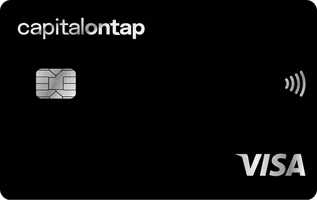 Capital on Tap Business Credit CardUp to 56-day interest-free period: limited companies onlyRep. APRNot publishedAnnual Fee£0 / £299
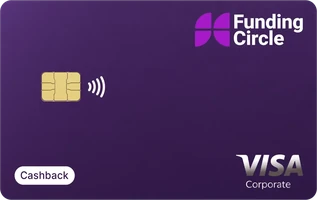 Funding Circle Cashback Business Credit CardUp to 42-day interest-free period with 2% intro cashbackRep. APR34.9% variableAnnual Fee£0
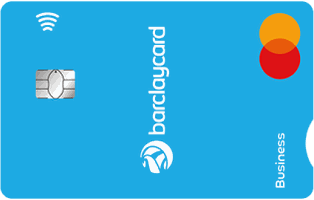 Barclaycard Select Cashback Business Credit CardUp to 56-day interest-free period: no bank switch neededRep. APR25.5% variableAnnual Fee£0
 Lloyds Bank Business Credit CardLowest APR if you carry a balance, plus 56-day grace periodRep. APR15.95% variableAnnual Fee£32 per cardholder
 Metro Bank Business Credit CardNo-fee low-APR card with 56-day grace periodRep. APR18.9% variableAnnual Fee£0
 HSBC Business Credit CardLow purchase rate for HSBC customersRep. APR22% variableAnnual Fee£32 per card
 NatWest Business Credit CardUp to 56-day interest-free period: NatWest customers onlyRep. APR24.3% variableAnnual Fee£30 per cardholder
 Santander Business Cashback Credit CardUp to 56-day interest-free period: Santander customers onlyRep. APR23.7% variableAnnual Fee£30 per account
 American Express Business Gold CardHybrid charge card: up to 54 days interest-free, optional balance-carry at 29.1% APRAnnual Fee£0 yr 1, then £195/yrRewards1 Membership Rewards point per £1
 American Express Basic Business CardHybrid charge card: no fee, interest-free if cleared, Pay Over Time optionAnnual Fee£0RewardsNone
 American Express Business Platinum CardPremium hybrid charge card: interest-free by structure, optional balance-carry at 29.1% APRAnnual Fee£650/yrRewards1 Membership Rewards point per £1
 Co-operative Bank Business Charge CardPure charge card: interest-free by structureCard TypeCharge card