


This guide introduces Barclaycard’s business credit card offerings: the Cashback, Premium Plus, and Select Expense Card. I’ve compared these options in detail to help you choose the most suitable card for your business.
>>Compare the top credit cards for your business
| Feature | Select Cashback | Premium Plus | Select Charge Card |
|---|---|---|---|
| APR (Variable) | 56.8% | 56.8% | 3.6% |
| Purchase Rate (p.a. Variable) | 20.2% | 20.2% | N/A |
| Annual Fee | £0 | £150 | £42 |
| Credit Limit (you’ll be told what the credit limit is when you first open your account. | Representative Example of £1,200 | Up to 2% for the first 3 months, then 1% | £1,000 – £50,000 (subject to status) |
| Cashback | Up to 2% for first 3 months, then 1% | 0.5% up to £400 per year | N/A |
| Interest-Free Credit | Up to 56 days | Up to 56 days | Up to 38 days |
| Travel Perks | N/A | Yes, including insurance and lounge access | N/A |
| Foreign Transaction Fees | 2.99% | Purchases: 0.99%, Cash: 3% + 2.99% | 2.99% |
| Late Fee | £12 | £12 | £12 |
What Business Cards Does Barclaycard Offer?
Barclaycard Select Cashback
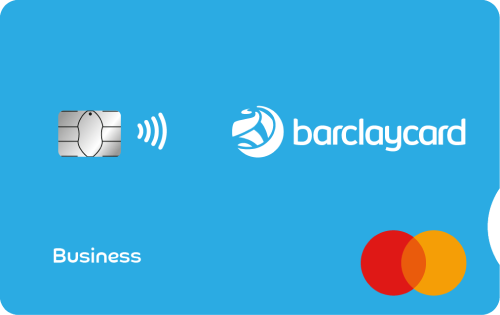
Representative example
- APR: 56.8% (variable)
- Purchase Rate: 20.2% p.a. (variable)
- Credit Limit: Based on £1,200
- Annual Fee: £150 per account
The Barclaycard Select Cashback Business Credit Card is designed to reward businesses with every purchase. With no annual fee and a promotional offer of 2% uncapped cashback for the first three months (apply by 2 April 2024), this card suits businesses looking to maximise their returns on spending.
Post-promotion, the cashback rate reverts to 1% which is still very handy.
Benefits include up to 56 days’ interest-free credit on purchases, purchase protection, and cardholder misuse insurance.
Additionally, you can simplify invoicing and expenses with a complimentary FreshBooks accounting plan and enjoy discounts from a range of retailers and suppliers. The card also supports Apple Pay for fast and secure transactions.
Who Should Use It?
This card is ideal for UK-based businesses of any size looking to earn cashback on their spending while enjoying extended credit terms and additional perks. It’s particularly beneficial for those who can maximise the initial 2% cashback offer before April.
Pros:
- No Annual Fee: No cost for card or account, making it budget-friendly.
- Promotional Cashback Offer: 2% uncapped cashback for the first three months.
- Interest-Free Credit: Up to 56 days of interest-free credit on business purchases.
- Additional Perks: Includes purchase protection, misuse insurance, and a complimentary FreshBooks plan.
- Rewards and Discounts: Access to exclusive offers from leading retailers and suppliers.
- Enhanced Security: Monitoring for unusual activity and alerts to the cardholder.
- Flexibility: Options to add cardholders for free and manage their spending limits.
Cons:
- Post-Promotional Cashback Rate: After the initial three months, the cashback rate drops to 1%.
- Interest Rate: Representative 27.5% APR, which could be costly if balances are not paid in full.
- Eligibility Criteria: Requires business turnover or plan exceeding £10,000 per year and a good borrowing history.
- Late Fee: If you’ve made a late payment, gone over your limit or have a returned payment, you’ll be charged £12.
- For transactions in other currencies, there’s a 2.99% fee. For cash withdrawals in other currencies, there’s a 3% fee (at least £3) plus the 2.99% currency conversion fee.
Eligibility Criteria
- Must be a UK-based business owner or director.
- All directors and employees must be over 18.
- The annual turnover of a business or a new business plan must exceed £10,000.
- Neither you nor your business can be bankrupt or in bankruptcy proceedings.
- All existing financial commitments must be up-to-date and well-managed for the past year.
- No declines for a Barclaycard commercial card in the last six months.
–
Barclaycard Premium Plus
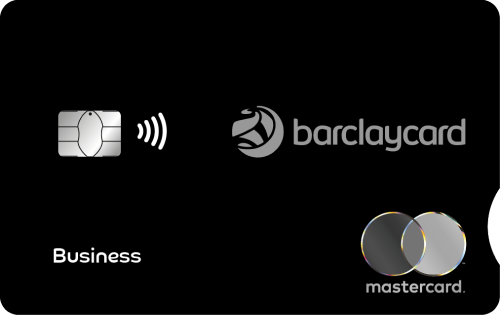
Representative example
- Representative APR: 56.8% (variable)
- Purchase Rate: 20.2% per annum (variable)
- Credit Limit: £1,200
- Annual Fee: £150 per account
The Barclaycard Premium Plus Business Credit Card caters to businesses seeking enhanced benefits, including cashback, travel perks, and savings on foreign exchange fees. With a representative 56.8% APR variable and an annual fee of £150, this card offers 0.5% cashback on all business spend up to £400 per year. Additional features include up to 56 days’ interest-free credit on purchases, business travel insurance, and a 2% reduction in foreign exchange fees.
Cardholders also enjoy airport lounge access, with two free visits per year, and six months interest-free on purchases from account opening.
Who Should Use it
This card is best suited for businesses with frequent travel needs and international transactions. It’s ideal for those who will benefit from travel insurance, lounge access, and foreign exchange savings, exceeding the cost of the annual fee.
Pros:
- Cashback: Earn 0.5% cashback on all purchases, up to £400 per year.
- Travel Benefits: Includes business travel insurance, airport lounge access, and savings on foreign exchange fees.
- Interest-Free Purchases: Six months interest-free on purchases from account opening.
- Additional Perks: Access to rewards and discounts, online account management, and the ability to add cardholders for free.
- Security: Latest technology for payment protection and account monitoring.
Cons:
- Annual Fee: £150 annual fee may outweigh benefits for some businesses.
- Cashback Cap: Maximum cashback of £400 per year may limit rewards for high spenders.
- APR: Higher representative APR of 56.8% variable could be costly if balances are not cleared.
- Late Fee: If you’ve made a late payment, gone over your limit or have a returned payment, you’ll be charged £12
- For transactions in other currencies, there’s a 0.99% fee. For cash withdrawals in other currencies, there’s a 3% fee (at least £3) plus a 2.99% currency conversion fee.
Eligibility Criteria
- Must be a UK-based business owner or director.
- All directors and employees must be over 18 years of age.
- The annual turnover of a business or a new business plan must be over £10,000.
- Neither you nor your business should be bankrupt or undergoing bankruptcy proceedings.
- All existing financial commitments must be current and have been managed properly for the past year.
- You should not have had any Barclaycard commercial card applications declined in the last six months.
–
Barclaycard Select Charge Card
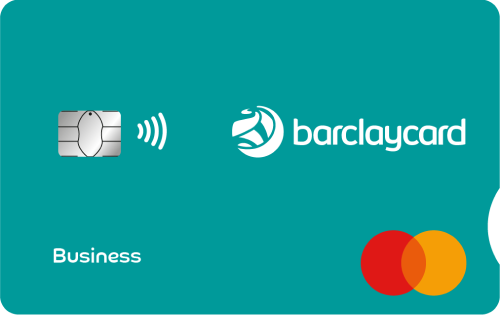
- APR: Representative 3.6% APR (variable)
- Minimum Repayment: Balance must be paid in full each month.
- Credit Limit: £1,000 -£50,000 (subject to status)
- Fees: Annual account fee of £42
- Charges: Cash: 3% (min £3)
The Barclaycard Select Charge Card is engineered for businesses seeking to control and manage expenses effectively. With a £42 annual fee and no additional charges for cardholders, this card offers up to 38 days to pay off purchases interest-free, providing a disciplined approach to cash flow management. It includes purchase protection and cardholder misuse insurance, adding a layer of security to business transactions.This card is especially suited for businesses new to using cards for financial management, offering tools and features to monitor and control spending efficiently.
Who Should Use it
Ideal for UK-based businesses of all sizes looking for a straightforward way to manage expenses without the interest costs associated with traditional credit cards. It’s particularly useful for companies that are disciplined about paying their balance in full each month and want the added benefits of insurance protection and expense management tools.
Pros:
- Annual Fee: Reasonable £42 annual fee with no fees for additional cardholders.
- Interest-Free Period: Up to 38 days to pay off purchases interest-free, aiding in cash flow management.
- Expense Management: Simplify invoicing and expenses with a complimentary FreshBooks accounting plan.
- Purchase Protection: Includes purchase protection and cardholder misuse insurance for added security.
- Rewards and Discounts: Access to handpicked perks for business cardholders, saving on everyday business costs.
- Enhanced Security: Utilises cutting-edge technology to protect payments and monitor account activity.
Cons:
- Repayment Terms: Balances must be paid in full each month, requiring disciplined financial management.
- Interest-Free Period: Shorter than some credit card options, with a maximum of 38 days.
- Annual Fee: While moderate, the annual fee may not be justifiable for businesses with minimal card use.
- Foreign Usage: 2.99% fee for non-sterling transactions, plus a 3% (minimum £3) cash fee with an additional 2.99% transaction fee.
Eligibility Criteria
- You must be a UK-based business owner or director.
- All directors and employees must be at least 18 years old.
- Your business’s annual turnover or the forecast in your new business plan must exceed £10,000.
- Neither you nor your business can be involved in bankruptcy or bankruptcy proceedings.
- Your business’s financial commitments must be up to date, with good management shown over the past year.
- You must not have received a decline for any Barclaycard commercial card application within the last six months.
–
How Much Do Barclaycard Business Credit Cards Cost?
The costs of Barclaycard business credit cards vary by type. The Select Cashback card has no annual fee, offers up to 2% cashback initially, then 1%, and charges 2.99% for foreign transactions. It has a representative APR of 27.5%.
The Premium Plus card comes with a £150 annual fee, provides cashback and travel perks, and has slightly lower foreign transaction fees. Each card is designed to cater to different business needs, balancing benefits with associated costs.
Both the Select Cashback and Premium Plus cards have a representative APR of 56.8% (variable) at the time of writing.