
Effective expense management is essential for UK-based small to medium-sized enterprises (SMEs), to maintain financial health and ensure compliance.
Integrating corporate cards with expense management platforms allows businesses to streamline their accounting processes, eliminate manual tasks, and liberate their finance teams for more strategic activities. These platforms automate expense tracking, provide real-time cash flow visibility, and significantly reduce administrative burdens.
This article examines the leading platforms that combine these crucial features, helping you make informed decisions that enhance financial operations and improve overall business efficiency.
What is the Best Expense Management Platform for Your Business?
Selecting the right expense management platform with integrated corporate cards is crucial for UK businesses, each with unique needs.
Moss excels for growing SMEs that require flexibility and robust spend control. Its scalable “pay as you grow” model is ideally suited for businesses that start small and plan to expand over time. Offering high credit limits and proactive financial oversight, Moss is the ideal choice for companies aiming to digitalise their expense processes while maintaining strict financial discipline.
Wallester provides an outstanding tool for startups and SMEs engaged in international transactions. It’s free plan includes 300 virtual cards and unlimited physical card issuance, backed by strong multi-currency capabilities. This makes Wallester a cost-effective option for businesses involved in frequent cross-border transactions, helping them avoid hefty fees.
Soldo stands out for businesses that prioritise compliance and stringent spend control. As an FCA-regulated entity with extensive security certifications, Soldo offers employee spending autonomy while ensuring centralised financial oversight.
Pleo is renowned for its user-friendly design and emphasis on employee empowerment, especially for iOS users. Its intuitive interface and streamlined expense submission process significantly enhance employee satisfaction. Pleo is an excellent choice for companies looking to simplify expense reporting and reduce administrative burdens. However, Android users should be aware of potential app performance issues.

Each platform offers unique benefits tailored to different business needs, making it essential to consider your specific requirements when choosing the right tool for expense management and corporate card integration.
Top Expense Management Platforms with Integrated Corporate Cards At A Glance
This table concisely overviews the top expense management platforms with integrated corporate cards, highlighting their standout features, pricing models, and ideal user scenarios.
| Provider | Best For | Standout Features | Prices From | Learn More |
|---|---|---|---|---|
| Moss | SMEs seeking flexible growth and proactive spend control | Modular design, high credit limits, real-time control | Custom Pricing | Visit Moss |
| Wallester | Startups and SMEs with international operations | Generous free plan, multi-currency support | Free plan available | Visit Wallester |
| Soldo | Compliance-focused businesses needing stringent controls | Robust spend control, FCA regulated | £21 + Vat per month | Visit Soldo |
| Pleo | Businesses prioritising ease of use and employee autonomy | Intuitive UI, employee empowerment | From £9.50 per month | Visit Pleo |
| Expensya | Mid-to-large enterprises with complex international needs | Advanced automation, multi-country support | Custom Pricing | Visit Expensya |
| Payhawk | Large enterprises needing comprehensive financial control | Extensive regulatory compliance, enterprise features | Custom Pricing | Visit Payhawk |
| Zoho Expense | Businesses within the Zoho ecosystem or seeking customisation | Feature-rich, UK-specific compliance | Free plan available | Visit Zoho Expense |
Best Expense Management Platforms with Integrated Corporate Cards Reviewed
Moss
Why We Picked It
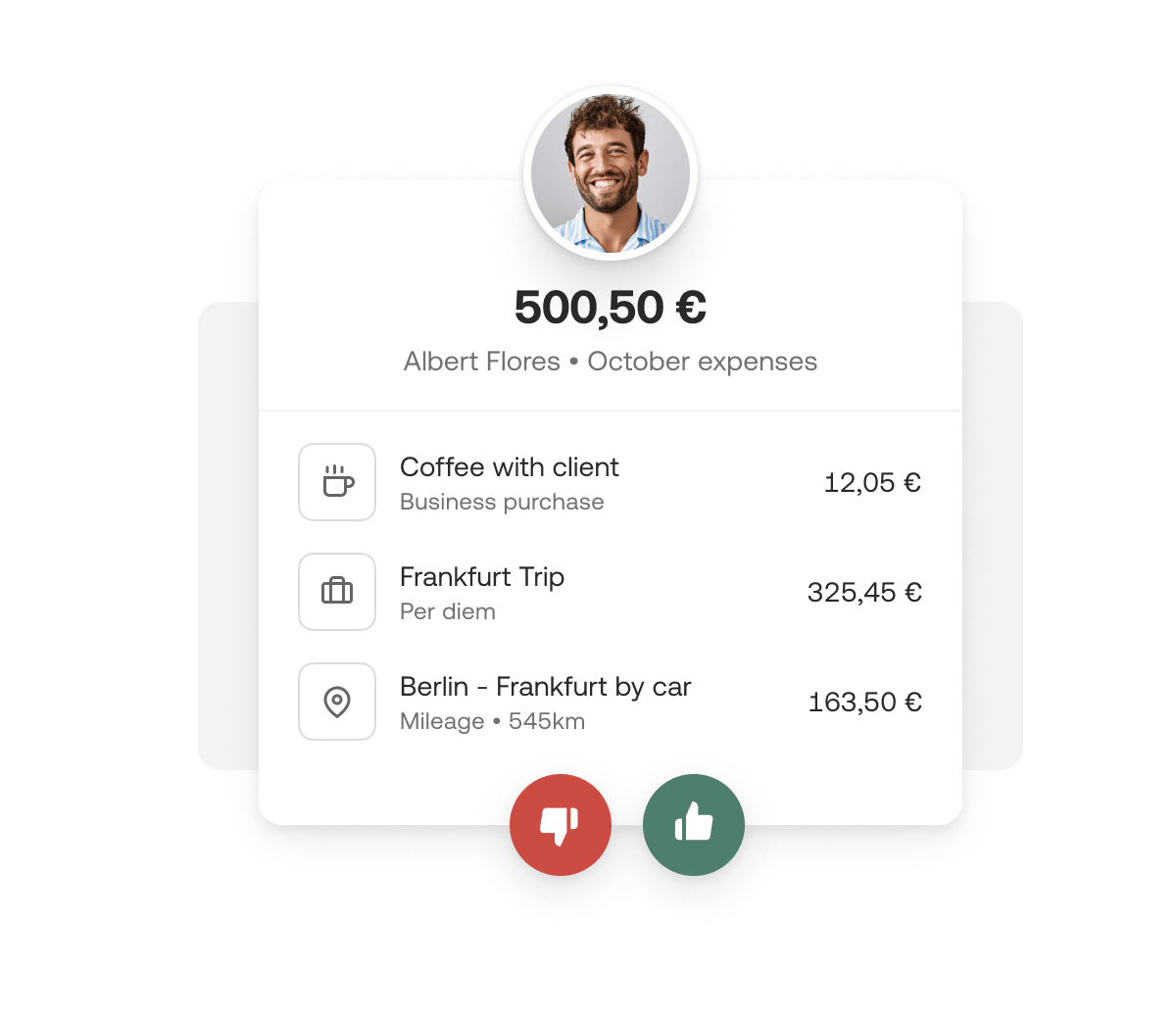
Moss is designed for UK SMEs, offering a flexible, modular expense management system that evolves alongside your business. This platform particularly benefits startups and expanding companies, providing scalable solutions and proactive spend control.
With generous credit limits and real-time expense tracking, Moss stands out as a leading choice for firms prioritising robust financial oversight.
Key Features
Pros & Cons
Pricing
Moss offers a flexible pricing structure, starting with a complimentary package with unlimited corporate cards and basic expense management for up to three users.
Custom packages with additional features like employee reimbursements and advanced accounting are available.
Payments made in foreign currencies incur a 2% foreign transaction fee, and a £20 refund handling fee may be incurred under certain conditions.
This modular pricing strategy ensures that businesses only pay for the required features, making Moss an economical option for growing UK SMEs.
Wallester
Why We Picked It
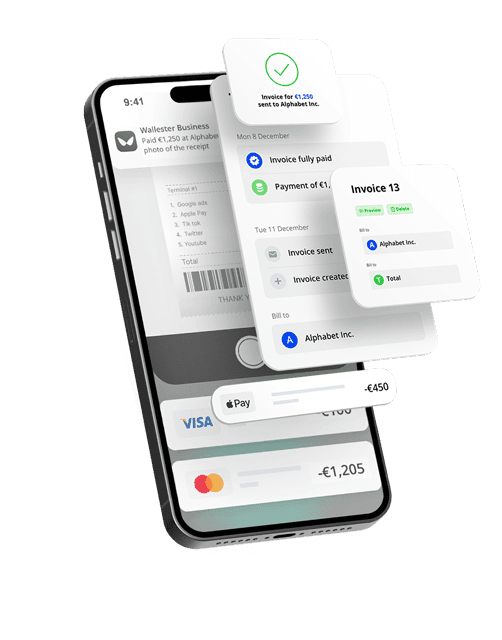
Wallester is an excellent choice for UK businesses requiring corporate cards with advanced multi-currency capabilities and cost-effective pricing. The platform’s complimentary plan is particularly appealing, providing 300 virtual and unlimited physical cards. This is ideal for startups and SMEs focused on efficiently managing their expenses.
Its adeptness in handling multiple currencies is a crucial benefit for companies involved in international trade, facilitating smooth cross-border transactions.
Key Features
Pros & Cons
Pricing
Wallester’s pricing structure includes a free plan and two premium options.
The Free Plan, priced at £0 per month, offers 300 virtual cards and unlimited issuance of physical cards. The Premium Plan, costing approximately £169.95 per month, includes 3,000 virtual cards and features such as accounting integrations. The Platinum Plan, priced at about £859.95 monthly, provides 18,000 virtual cards and a dedicated client relationship manager.
For all plans, additional virtual cards beyond the included quota are charged at 30p each on the Free Plan, 18p on the Premium, and 9p on the Platinum. This pricing strategy underscores Wallester’s commitment to transparency and maintaining low transaction fees, even on international purchases.
Soldo
Why We Picked It
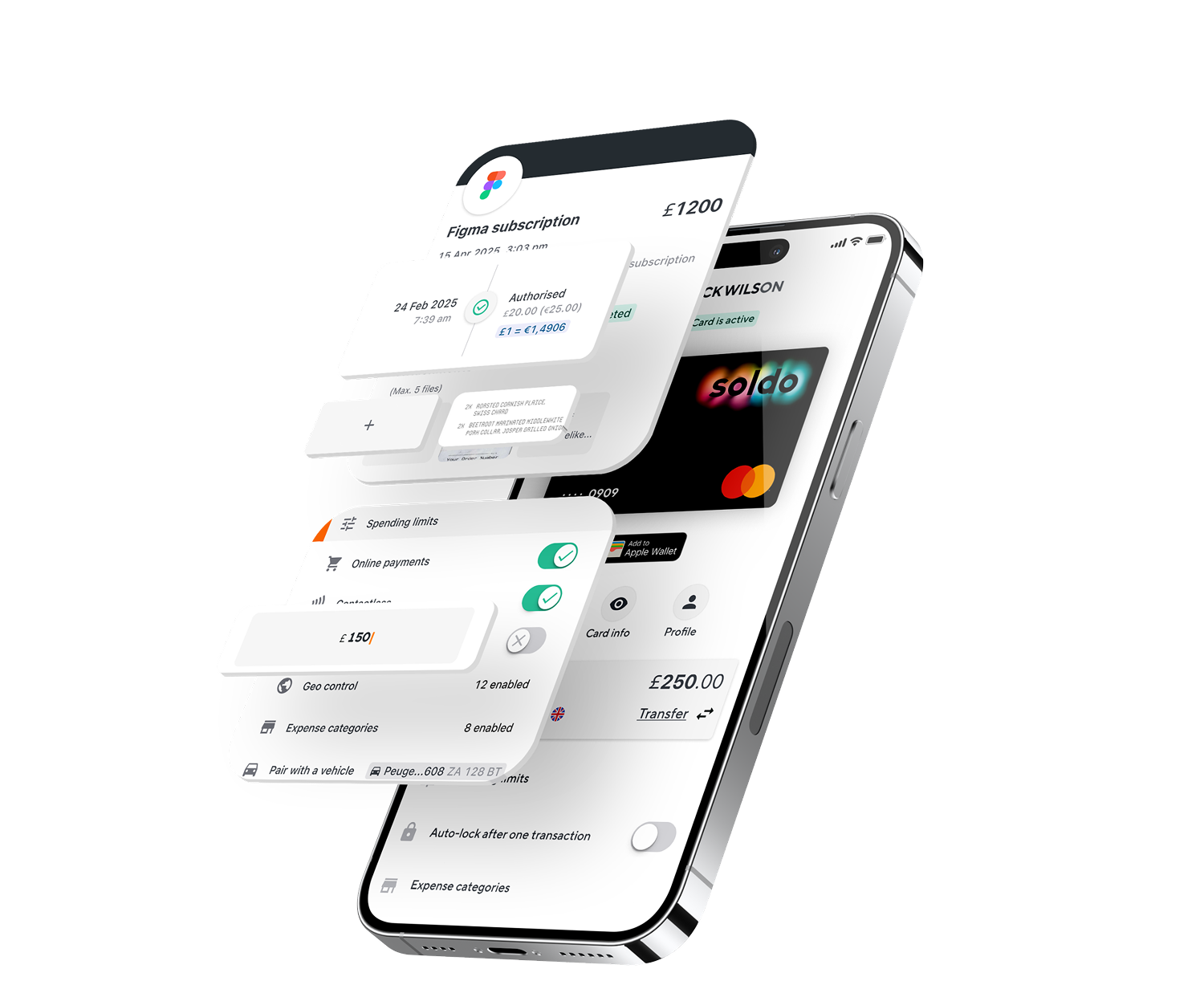
Soldo is a leading expense management platform specifically designed for UK SMEs. It offers robust compliance and spend control features, making it ideal for businesses prioritising strict financial governance. Regulated by the Financial Conduct Authority (FCA) and equipped with comprehensive security certifications, Soldo ensures reliable financial management.
A standout feature is its ability to provide employees with spending autonomy while maintaining central oversight, significantly boosting operational efficiency and adherence to regulatory standards. Its success in optimising financial processes to meet local regulations has contributed to its popularity among UK SMEs.
Key Features
Pros & Cons
Pricing
Soldo offers a structured pricing model:
- Standard Plan: Begins at £21 per month + VAT for three users/approvers; additional users are charged at £7 per month + VAT.
- Plus Plan: Three users/approvers cost £33 per month + VAT, and extra users cost £11 per month + VAT.
- Unlimited/Enterprise Plan: Pricing is available upon request and tailored to the business’s needs.
All plans include core features like Soldo Mastercard® cards, seamless accounting integration, and complimentary domestic transactions. An additional fee of 1.5% is applied to foreign transactions. Businesses should thoroughly review the terms of financial services to understand all associated costs fully.
Pleo
Why We Picked It
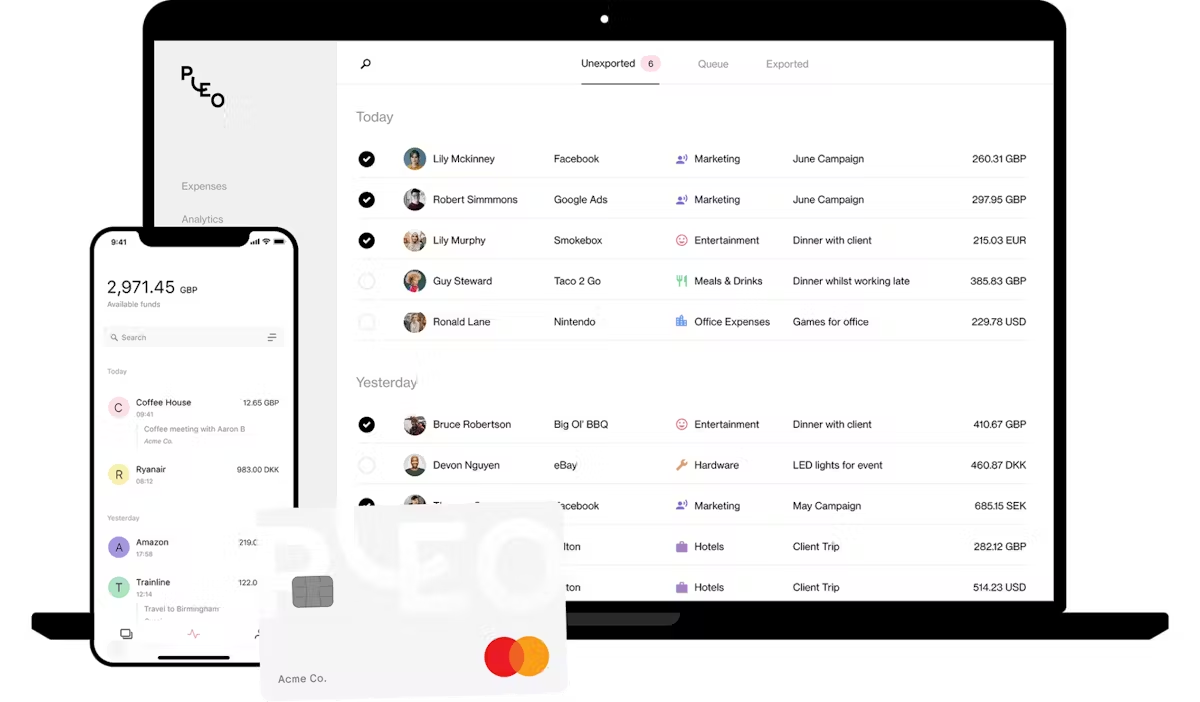
Pleo stands out for its ability to streamline expense management, making it an excellent choice for businesses looking to modernise their financial operations.
By equipping employees with company cards and automating receipt capture, Pleo saves valuable time and enhances employee satisfaction by eliminating the need for cumbersome expense reports.
Key Features
Pros & Cons
Pricing
Pleo employs a tiered pricing model
- Starter Plan: £9.50 per month (billed annually) for up to 3 users. This plan includes basic features such as receipt capture and accounting exports.
- Essential Plan: £39 per month (billed annually) for 3 users, with added functionalities like reimbursements and mileage tracking.
- Advanced Plan: £89 per month (billed annually), offering features like multi-entity management and HRIS integrations.
- Beyond Plan: £179 per month (billed annually), which includes premium support and additional integrations.
Transaction fees vary according to the plan, with foreign exchange fees ranging from 1.49% to 2.49%. Businesses must consider these fees carefully to avoid unexpected expenses.
Expensya
Why We Picked It
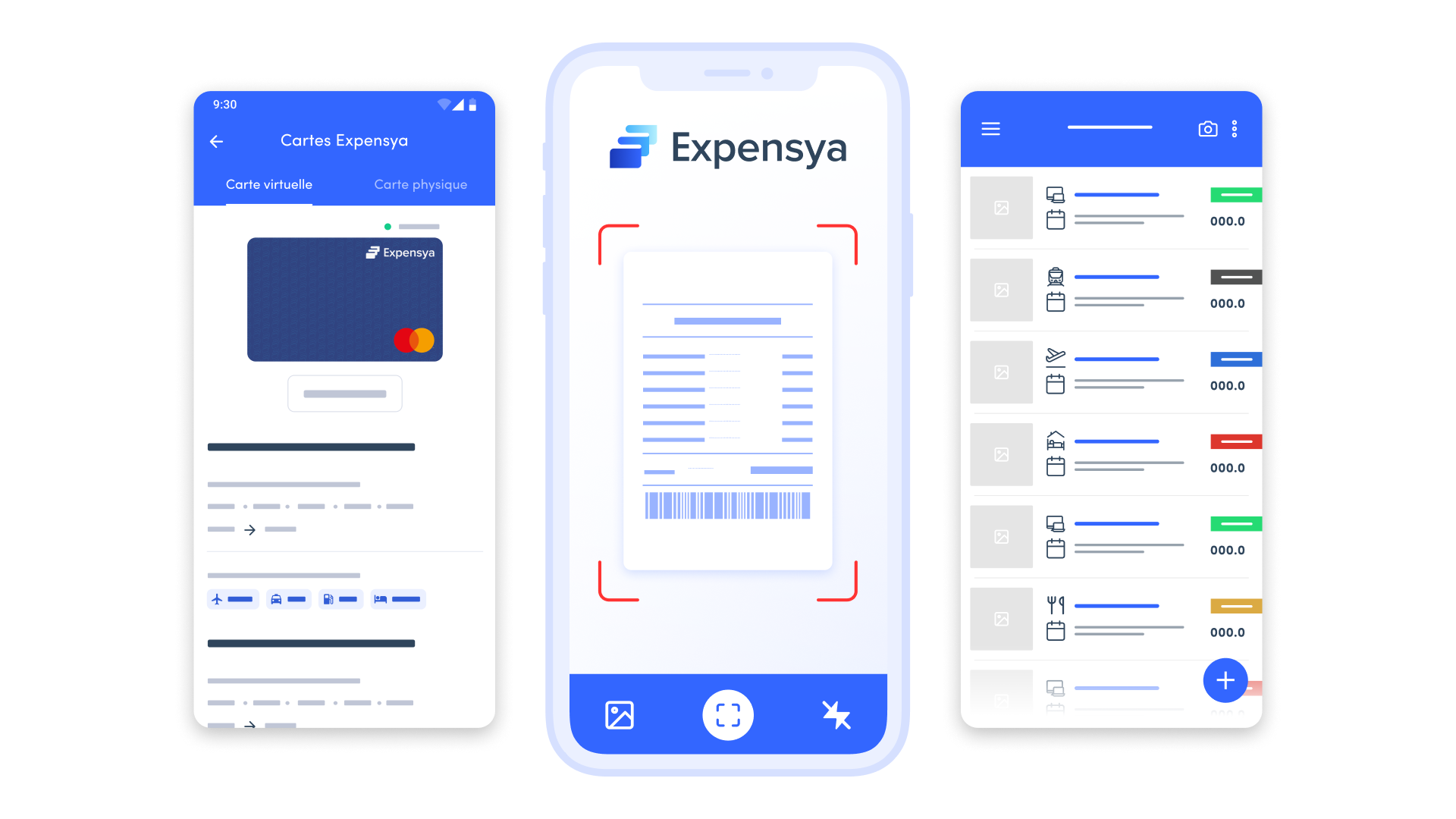
Expensya stands out as a top choice for UK SMEs, offering extensive automation features that streamline every facet of expense management. This platform simplifies tasks from receipt capture to reconciliation, significantly easing the burden on finance teams.
With its multi-currency capabilities and international operability, Expensya ensures compliance with both local and global regulations, making it an appealing option for businesses operating across borders.
Key Features
Pros & Cons
Pricing
Expensya offers a tiered pricing structure designed to accommodate businesses of varying sizes. Prices are available on request.
Silver and Gold plans are available for small businesses with up to 100 users. The Silver plan features unlimited OCR+ recognition and basic functionalities, whereas the Gold plan adds legal archiving and integration with accounting tools.
For larger enterprises, the Premium Package includes advanced functionalities like monitoring dashboards and multi-subsidiary management.
Optional add-ons include “Expensya Payment” and Microsoft Teams integration. This tiered pricing strategy encourages businesses to evaluate their needs and carefully understand the cost implications.
Payhawk
Why We Picked It
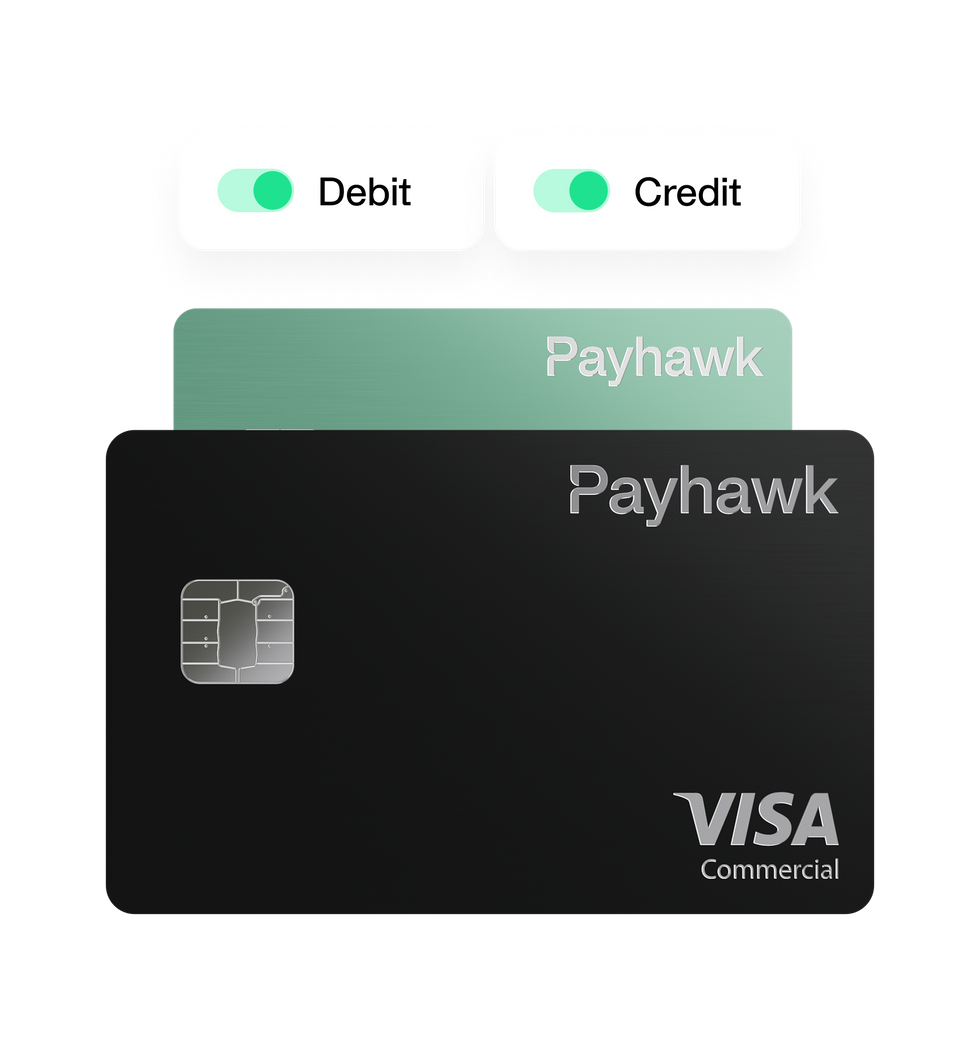
Thanks to its comprehensive spend management system, Payhawk has become a top choice for medium-scale enterprises.
This platform provides robust automation and control features, making it suitable for businesses operating across multiple countries and dealing with various currencies. It integrates effortlessly with existing financial systems and upholds strict compliance standards, positioning itself as an indispensable tool for companies looking to enhance their financial operations and comply with regulatory demands.
A key advantage of Payhawk is its focus on real-time expense tracking and policy enforcement, which aids businesses in maintaining financial discipline and minimising manual interventions.
Key Features
Pros & Cons
Pricing
Payhawk’s Enterprise Plan features custom pricing to meet each business’s requirements. This approach offers flexibility regarding features and support, but can pose challenges for smaller companies due to the potential lack of transparency in pricing details.
The platform facilitates free local payments in EUR, GBP, and USD for employee reimbursements. Direct engagement with Payhawk is advised for a comprehensive breakdown of the costs.
Zoho Expense Review
Why We Picked It
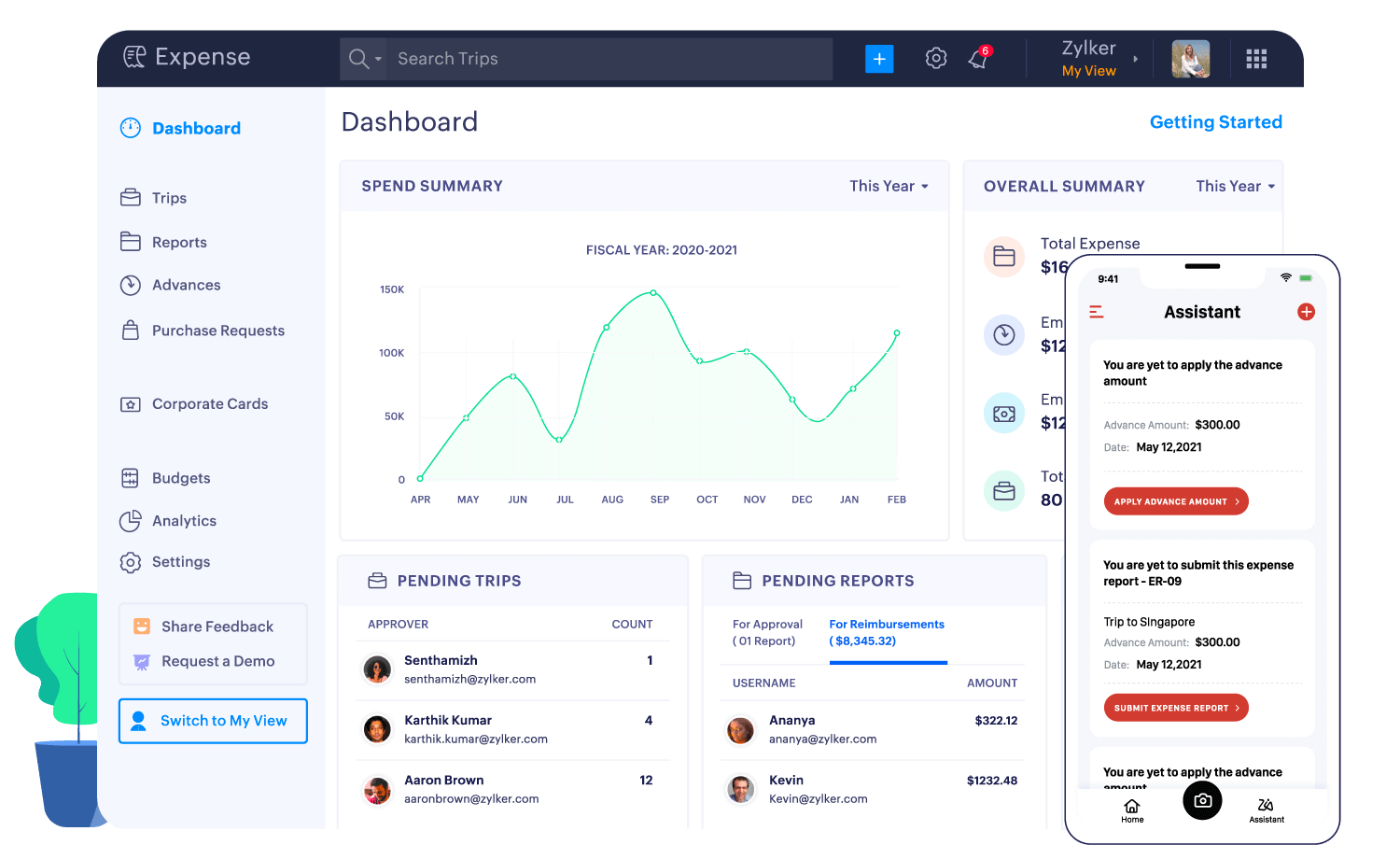
Zoho Expense stands out for its seamless integration with the Zoho ecosystem, providing a comprehensive suite of tools specifically designed for enhanced expense management.
Businesses utilising other Zoho products will find great value in the unified user experience. This platform particularly benefits firms needing robust, UK-compliant expense management solutions.
Key Features
Pros & Cons
Pricing
Zoho Expense employs a tiered pricing model:
- Free Plan: Suitable for businesses with annual revenues under £35,000, supporting up to 3 users. It includes basic features but limits some functionalities, such as Autoscan credits.
- Standard Plan: Priced at £5 per active user per month, billed annually, this plan encompasses features like corporate card management and multi-level approval workflows.
- Premium Plan: This plan, priced at £7 per active user per month if billed annually, introduces additional features such as online travel booking and live budget tracking.
- Custom Plan: Designed for enterprises with a minimum of 100 users, offering personalised support and integrations.
Additional services, such as Premium Support and Jumpstart for onboarding, are available, and pricing depends on the number of active users.
Types of Expense Management Platforms
Expense management platforms are designed to cater to various business needs and complexities. Here’s a breakdown of the different types available:
- Card-Based Solutions: Platforms like Pleo and Soldo combine corporate cards with expense tracking software, providing real-time visibility and control over spending. These solutions are ideal for businesses of any size looking to streamline employee expenses and reduce the need for manual reimbursements.
- Software-Only Tools: Previously exemplified by the now-discontinued Fluidly, these platforms automate expense reporting without needing physical cards. They are particularly suitable for smaller businesses or those with minimal card usage, offering a cost-effective digital tool for managing expenses.
- ERP-Integrated Systems: Systems like Zoho Expense integrate effortlessly with existing enterprise systems, enhancing the flow of financial data and improving reporting accuracy. These platforms are best suited for larger organisations with complex financial systems that require robust integration capabilities.
- Industry-Specific Platforms: These platforms offer customised features tailored to the unique challenges of specific industries. For instance, Expensya is renowned for its multi-country capabilities, making it an excellent choice for internationally-operated businesses.
Specialised Platforms vs Broader Tools vs Traditional Methods
UK SMEs evaluating expense management solutions often compare specialised platforms with broader financial management tools and traditional manual methods.
Traditional methods, such as spreadsheets or basic accounting software, are time-consuming and prone to errors from manual data entry. They lack the real-time visibility and automation of dedicated platforms like Moss, Soldo, and Pleo. These platforms feature automated receipt capture and real-time spend tracking, significantly reducing administrative burdens and increasing accuracy.
Conversely, while broader financial tools offer a wide range of functionalities, they typically require extensive customisation to manage expenses effectively, resulting in higher costs and longer implementation times.
Dedicated platforms, designed specifically for expense management, include bespoke features such as virtual corporate cards and automated reconciliation. These streamline processes and enhance financial control.
For most UK SMEs, choosing a specialised platform leads to considerable time savings and improved financial oversight, making it a more attractive option than generic financial tools or manual methods.
Pros & Cons of Using Expense Management Platforms
Expense management platforms offer significant time savings and enhanced financial transparency for UK businesses.
They automate receipt capture and reconciliation tasks, reducing manual errors and streamlining the month-end close process. This is particularly advantageous for finance teams. Leading platforms like Pleo and Zoho Expense provide user-friendly interfaces that enable employees to manage their expenses effectively, thereby increasing productivity.
When selecting an expense management platform, businesses must carefully evaluate their needs and potential hidden costs. This ensures the chosen tool aligns with their financial strategies and operational requirements.
Who Should Use Expense Management Platforms
Expense Management Platforms are best suited to:
- Rapidly scaling SMEs and startups: These businesses often face the complex challenge of managing escalating expenses efficiently. Such platforms offer crucial real-time financial oversight essential for sustained growth.
- Distributed teams: They are highly beneficial for teams that require purchasing autonomy while adhering to strict company policies. Key features like receipt capture and automated reconciliation substantially reduce administrative burdens, making these tools highly appealing to finance teams focused on streamlining operations.
The following business types may find expense management platforms less suitable:
- Small businesses with straightforward financial needs: These businesses might find these platforms excessively complex. For companies that handle only a few monthly transactions, the costs and complexity of an all-in-one tool may not provide sufficient value.
- Large enterprises with well-established financial systems: They might not benefit significantly from these additional features unless they overhaul or enhance their current setups. In such cases, integration and transition costs could outweigh the marginal benefits.
Key Features and Benefits of Expense Management Platforms
An expense management platform is a digital tool designed to streamline business expenses’ management, reporting, and oversight. It automates key tasks such as transaction capturing and categorisation, reducing the need for manual data entry. Here are the main features and benefits of using an expense management platform:
- Automated Receipt Capture: Automatically captures and categorises receipts, simplifying record-keeping.
- Seamless Integration: Works with existing accounting systems to ease month-end reconciliations.
- Expenditure Limits and Approval Workflows: Helps enforce spending policies by setting limits and requiring pre-approval for expenses.
- Real-Time Reporting: Provides immediate insights into spending trends, enabling data-driven decision-making.
- Corporate Card Integration: Enhances control over company spending and reduces administrative tasks.
For UK businesses, an expense management platform can significantly save time and improve cost management by enhancing financial accuracy and compliance with spending policies.
How to Select the Right Expense Management Platform for Your Business
Selecting the right expense management platform is crucial for optimising your financial operations and managing business expenditures effectively. Here are the key steps to choose the most suitable platform:
1. Assess Your Budget
Determine what you can afford. Some platforms, like Wallester, offer comprehensive free plans, while others might require a substantial investment for more advanced features.
2. Evaluate Key Features
Look for essential features that meet your business needs, such as:
- Support for virtual corporate cards
- Automated reporting capabilities
- Robust spending controls
3. Check for Integration Compatibility
Ensure the platform integrates seamlessly with your existing accounting software, such as Xero or QuickBooks, to reduce administrative burdens.
4. Consider User-Friendliness
Choose platforms known for intuitive interfaces, like Pleo, which ensure quick employee adoption and minimal training.
5. Assess Customer Support Quality
To enhance the user experience, opt for providers with reliable customer support, such as Soldo.
6. Plan for Scalability
Select a platform that can grow with your business. Platforms like Moss offer scalable solutions that can adapt to increasing needs.