

Interest-free business credit cards give UK businesses a window of typically 42 to 56 days to pay for purchases without incurring any interest, provided you clear the full balance by the due date. Used correctly, this costs nothing and can materially improve short-term cash flow.
This guide covers every major interest-free business credit card currently available in the UK, with verified rates, real eligibility requirements, and honest pros and cons for each.
All APR figures are representative variable rates and were verified directly from provider websites in February 2026. Always check current terms before applying.

What Does “Interest-Free” Actually Mean on a Business Credit Card?
The term “interest-free” is used to describe two distinct things on business credit cards, and confusing them is one of the most common and costly mistakes business owners make.
Type 1: Standard grace period (42-56 days). Most business credit cards offer an interest-free window on purchases as long as you pay the full statement balance by the due date each month. This period runs from the start of your billing cycle to the payment due date. A purchase made on day one of your billing cycle could therefore be interest-free for the full 56 days; a purchase made on day 28 of a 28-day billing cycle would be interest-free for only the remaining payment window, perhaps 28 days. No purchase is ever guaranteed the full 56 days.
Type 2: Promotional 0% period. Some cards offer a set number of months (e.g. six months) where new purchases carry no interest at all, even if you do not clear the balance in full. This is an introductory offer and reverts to the standard purchase rate once it expires. Barclaycard Premium Plus is currently the only card in this guide offering this feature. No UK business credit card currently offers 0% interest on balance transfers.
The fundamental rule for Type 1 cards: you must pay the full statement balance by the due date, every month, without exception. Paying even a pound less than the full balance means interest is charged on the entire balance from the date of each transaction, not just the unpaid portion. One missed full repayment can cost more than a full year’s cashback rewards.
Quick Comparison: Interest-Free Business Credit Cards UK (February 2026)
All APRs are representative variable rates. Verify directly with each provider before applying, as rates are subject to change.
| Card | Annual Fee | Interest-Free Period | Rep. APR | Cashback/ Rewards | FX Fee | Who Can Apply | Best For | Link |
|---|---|---|---|---|---|---|---|---|
| Capital on Tap Free | £0 | Up to 42 days | 34.65% variable | 1% uncapped cashback or Avios/Virgin Points | £0 | Ltd/LLP only | Best overall (Ltd companies) | Visit Site |
| Funding Circle Cashback | £0 | Up to 42 days | 34.9% | 2% first 6 months (cap £2,000), then 1% uncapped | £0 | Ltd only (£40k+ turnover) | Best intro cashback | Visit Site |
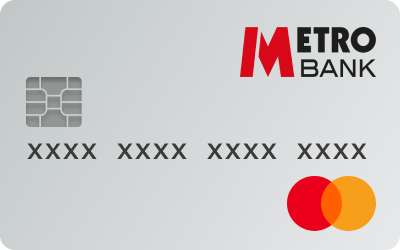
| Metro Bank Business | £0 | Up to 56 days | 18.9% | None | £0 in SEPA Europe; 2.99% outside | Sole traders, Ltd, partnerships (Metro Bank account required) | No-fee, European spending | Visit Site |
| Santander Business Cashback | £30/yr | Up to 56 days | 23.7% | 1% uncapped, no minimum spend | £0 on foreign purchases in local currency | Sole traders, Ltd (max 2 directors; Santander account required) | Uncapped cashback, no FX fees | Visit Site |
| NatWest Business | £30/yr (yr 1 free)1 | Up to 56 days | 24.3% | 1% fuel/EV via Mastercard Savings | 2.95% | Sole traders, Ltd, partnerships (NatWest account required; turnover <£2m) | Existing NatWest customers | Visit Site |
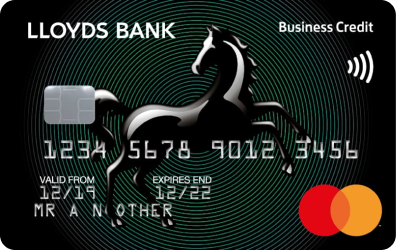
| Lloyds Bank Business | £32/yr (yr 1 free)2 | Up to 56 days | 15.95% | 1% fuel/EV, 0.5% other (minimum £2k/mth spend required for cashback) | 2.95% | Sole traders, Ltd, partnerships (Lloyds account required) | Lowest purchase rate | Visit Site |
| HSBC Commercial Card | £32/yr (yr 1 free) | Up to 56 days | 22% | None | 2.99% | Sole traders, Ltd, partnerships (HSBC account required) | HSBC account holders, simple card | Visit Site |
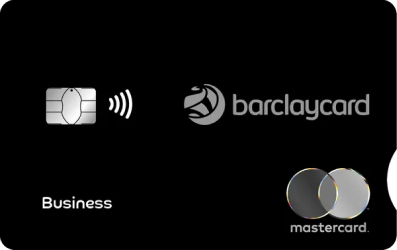
| Barclaycard Premium Plus | £150/yr | 6 months 0% on purchases, then up to 56 days | 54.3% | 0.5% cashback (capped £400/yr) | 0.99% (well below the standard 3%) | Sole traders, Ltd (£10k+ turnover; no Barclays account required) | Planned large spend, travel perks | Visit Site |
1 NatWest annual fee waived in the first year. Waived from the second year onwards if annual card spend exceeds £6,000.
2 Lloyds’ annual fee waived in the first year. Waived from the second year onwards if total annual spend across all linked cards exceeds £6,000.
Capital on Tap Free Business Credit Card

Best Overall for Limited Companies
Annual fee: £0
Interest-free period: Up to 42 days
Rep. APR: 34.65% variable
Cashback: 1% uncapped (redeem as cash, Avios, or Virgin Points)
FX fee: £0
Accounting integrations: Xero, Sage, QuickBooks, FreeAgent
Credit limit: Up to £250,000
Employee cards: Unlimited, free
Our View: Capital on Tap is the strongest all-round card for eligible UK limited companies. The combination of no annual fee, no FX fee, uncapped 1% cashback, and deep accounting integrations is not matched by any other card in this guide. The 42-day interest-free window is shorter than the bank cards here, but for businesses that pay in full every month it makes no practical difference. The main caveats are that sole traders cannot apply, and the actual APR offered varies significantly by business profile, and can be considerably higher than the 13.86% representative rate.
Overview
Capital on Tap is the card most frequently recommended by accountants and business advisers for UK limited companies, and for good reason. It combines a genuinely competitive starting APR (as low as 13.86% variable, though the actual rate offered depends on your business profile) with uncapped 1% cashback on all spending, zero fees, and no foreign transaction charges. The combination of no annual fee and no FX fee is unusual and valuable, particularly for businesses with international suppliers or overseas travel.
The cashback earns as points redeemable as cash (1% value), Avios (0.8 Avios per point with the free card, or 1:1 Avios with the Pro card), or Virgin Points. These are the only Avios-earning Visa or Mastercard business credit cards available in the UK that also carry zero foreign transaction fees: a combination unavailable elsewhere.
The interest-free period is 42 days, which is shorter than the 56 days offered by most traditional bank cards. For businesses that pay in full every month (which is the only sensible way to use any cashback card), this difference rarely matters in practice.
Capital on Tap connects directly with Xero, Sage, QuickBooks, and FreeAgent with automatic transaction sync, making it the most accounting-friendly card in this guide. Credit limits of up to £250,000 are available, the highest ceiling of any card here. Spending controls can be set per employee card, with real-time transaction data available via the app.
Upgrade option: The Capital on Tap Pro card (£299/yr) adds Priority Pass unlimited lounge access (worth approximately £419/yr independently), 1:1 Avios/Virgin Points earning, a digital Times subscription (worth approximately £240/yr), and enhanced perks. It earns 1.25% cashback on preloaded funds. The Pro card breaks even on cashback alone at approximately £29,900 of annual spend using standard credit, or £23,920 if you preload funds.
Best for/Not for
Best for: Ltd companies and LLPs wanting the best combination of cashback, zero fees, Avios earning, and accounting integration. The default recommendation for any eligible business that pays in full each month.
Not for: Sole traders (ineligible). Anyone who might carry a balance, as the APR can be significantly higher than the representative rate, depending on your credit profile.
Eligibility Criteria
- UK private limited companies (Ltd) and LLPs only
- Sole traders are not eligible
- Directors or majority shareholders (25%+ ownership) must apply
- Minimum £24,000 annual turnover required
- A soft eligibility check is available before the full application, with no impact on your credit score
Funding Circle Cashback Business Credit Card

Best Introductory Cashback Rate
Annual fee: £0
Interest-free period: Up to 42 days (30-day billing cycle + 12-day payment window)
Rep. APR: 34.9% variable
Cashback: 2% for first 6 months (capped at £2,000 total), then 1% uncapped
FX fee: £0
Accounting integrations: Xero, Sage, FreeAgent
Credit limit: Up to £250,000
Employee cards: Multiple, free
Our View: Funding Circle leads the market on introductory cashback, and for an eligible Ltd company front-loading spend in its first six months on the card, the 2% rate is unbeatable. The card is best thought of as a rewards tool for planned spending only, as the 34.9% representative APR is the highest in this guide, making any carried balance expensive very quickly. The eligibility requirements (12+ months trading, £40,000+ turnover, Ltd only) also rule out a significant portion of readers.
Overview
The Funding Circle Cashback card leads the market on introductory cashback: 2% on all eligible purchases for the first six months (up to a total of £2,000 cashback), reverting to 1% uncapped thereafter. For a business spending £25,000 or more in its first six months on the card, that introductory bonus alone is worth £500.
There is no annual fee and no foreign transaction fee. The card can be used internationally on any Visa-accepted purchase and the cashback rate (1% standard, 2% in the introductory period) applies to overseas transactions too.
The significant caveat is the representative APR of 34.9% variable, which is the highest in this guide. Funding Circle is only cost-effective if you pay in full every month; carried balances become expensive very quickly at this rate. The card is best treated as a reward mechanism for planned spending, not as a borrowing tool.
Funding Circle integrates with Xero, Sage, and FreeAgent, with automatic transaction sync and per-card spending controls. Note that QuickBooks is not supported, so businesses using QuickBooks may prefer Capital on Tap. Credit limits of up to £250,000 are available.
Note on interest-free period mechanics: The billing period is 30 days. Statements are issued monthly, and you have 12 days to pay. The effective maximum interest-free window from the start of a billing cycle is therefore 42 days (30 days + 12 days).
Best for/Not for
Best for: Eligible Ltd companies with high card spending in the first six months, looking to maximise cashback return without paying an annual fee. Particularly strong for businesses starting out with the card and front-loading spend.
Not for: Sole traders (ineligible). Any business that carries a balance, as the 34.9% APR makes this one of the most expensive cards in the market for unpaid balances. Also unsuitable for businesses under 12 months old or with a turnover below £40,000.
Eligibility Criteria
- UK limited companies only (sole traders are not eligible)
- Minimum 12 months’ trading history required
- Minimum £40,000 annual turnover required
- A soft eligibility check is available before the full application, with no impact on your credit score
Metro Bank Business Credit Card

Best No-Fee Card for European Spending
Annual fee: £0
Interest-free period: Up to 56 days
Rep. APR: 18.9% variable
Cashback: None
FX fee: £0 within SEPA Europe; 2.99% outside Europe
Accounting integrations: None
Credit limit: Subject to application
Employee cards: Up to 9 additional, free
Our View: Metro Bank wins on simplicity and rate. It has the lowest APR of any no-fee card in this guide (18.9%), the longest interest-free period available at no cost (56 days), and genuine fee-free spending across SEPA Europe. For businesses that want a clean, uncomplicated card and spend regularly in Europe, this is the strongest option. Its main weaknesses are the absence of any cashback or rewards, the requirement for an existing Metro Bank current account, and the in-branch application process, which is a genuine inconvenience.
Overview
Metro Bank’s business credit card wins on simplicity. There is one interest rate (18.9% APR variable, one of the lowest for any business card with no annual fee), one consistent fee structure, no rewards complexity to track, and no annual charge. The 56-day interest-free period is the longest available on a no-fee card.
The standout feature is fee-free spending across SEPA Europe: the 36-country Single European Payments Area covering all EU member states plus Iceland, Liechtenstein, Norway, Switzerland, the UK, and several other European territories. For a business that regularly buys from European suppliers, pays for European travel, or has staff working across Europe, eliminating a 2.95-2.99% FX charge on every transaction adds up to a meaningful saving over a year.
Outside SEPA, a 2.99% non-sterling transaction fee applies. Metro Bank is therefore best suited to businesses with primarily domestic or SEPA-zone spending; for global spending, Capital on Tap’s zero FX fee worldwide is superior.
There are no accounting software integrations. Up to 9 additional employee cards can be linked to the account at no extra cost.
Application note: Unlike most other cards in this guide, Metro Bank requires an in-branch application for its business credit card. This can be inconvenient, but it provides access to face-to-face support from Metro Bank’s extended-hours branch staff.
Best for/Not for
Best for: Businesses (including sole traders) that want a straightforward, no-fee card with a competitive rate and fee-free European spending. Ideal for businesses where simplicity, predictability, and European expense coverage matter more than cashback rewards.
Not for: Businesses that want cashback or rewards. Businesses with predominantly non-European international spending. Those who prefer online-only account management, as Metro Bank’s app has received mixed reviews.
Eligibility Criteria
- UK sole traders, partnerships, limited companies, and LLPs are all eligible
- An existing Metro Bank Business Current Account is required before applying
- Application must be made in branch (online applications are not accepted)
Santander Business Cashback Credit Card
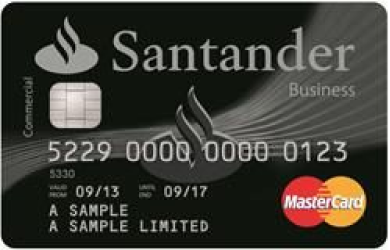
Best Uncapped Cashback With No Minimum Spend
Annual fee: £30/yr (single charge per business, not per card)
Interest-free period: Up to 56 days
Rep. APR: 23.7% variable (purchase rate 18.9% p.a.)
Cashback: 1% uncapped on all eligible spend, no minimum spend required
FX fee: £0 on foreign purchases in local currency
Accounting integrations: None
Credit limit: Subject to application
Employee cards: Up to 3 additional (4 total), free
Our View: Santander’s Business Cashback card is the best option for existing Santander customers who want straightforward, uncapped cashback without a minimum monthly spend threshold. The £30 annual fee is per business (not per card), pays for itself after £3,000 of annual spend, and the zero FX fee on local-currency purchases abroad is a notable extra for businesses with overseas expenditure. The hard limits are the Santander current account requirement, the 2-director maximum, and the fact that cashback on general spend disappears entirely compared to Capital on Tap for sole traders who want rewards with no minimum.
Overview
Santander’s Business Cashback card earns 1% cashback with no minimum spend requirement and no cap. Unlike Barclaycard Select (which requires £2,000 of monthly spend to trigger cashback at all) and Lloyds (which requires the same threshold for its higher cashback tier), Santander pays out from the first pound spent. The cashback is credited monthly directly to the card statement, so it directly reduces your balance.
The £30 annual fee covers the entire business account, not individual cards. Up to 3 additional cardholders can be added to the account at no extra charge, giving up to 4 cards in total. This makes the effective fee per card lower than it first appears for businesses with multiple employees.
Santander also includes zero foreign transaction fees on purchases made abroad when paying in the local currency: a rare perk on a card with an annual fee below £50. The card does not offer this on cash withdrawals, which carry a 3% fee (minimum £3) and attract interest from the date of withdrawal.
There are no accounting software integrations. The card supports up to 4 cardholders in total (the primary plus up to 3 additional), all drawing from the same credit limit.
Cashback break-even analysis: The £30 annual fee is covered by cashback after approximately £3,000 of eligible annual card spend (£3,000 x 1% = £30). Any spend above £3,000 per year generates net-positive cashback. A business spending £5,000 per month (£60,000 per year) earns £600 cashback, leaving a net return of £570 after the annual fee.
Best for/Not for
Best for: Businesses (including sole traders) with existing Santander accounts wanting uncapped 1% cashback with no minimum monthly spend, particularly those that also benefit from no FX fees on overseas purchases.
Not for: Businesses without a Santander current account (you must switch first). Those with more than 2 directors. Those needing more than 4 cards for employees. Businesses expecting to carry a balance, as the 27.9% cash advance rate is high.
Eligibility Criteria
- Sole traders, partnerships, LLPs, and limited companies are all eligible
- An existing Santander Business Current Account is required
- Maximum of 2 directors or partners who own the business entirely (businesses with more than 2 directors or more complex ownership structures are not eligible)
- All directors and partners must provide a personal guarantee (for limited companies and LLPs)
NatWest Business Credit Card

Best for Existing NatWest Customers
Annual fee: £30/yr per card (waived year 1; waived year 2+ if annual spend >£6,000)
Interest-free period: Up to 56 days
Rep. APR: 24.3% variable
Cashback: 1% at eligible fuel stations and EV charging points only (via Mastercard Business Savings)
FX fee: 2.95%
Accounting integrations: ClearSpend app (NatWest’s own spend tracking tool)
Credit limit: Subject to application (businesses with turnover under £2m)
Employee cards: Available; £30/yr per card from year 2 (waivable at £6,000+ annual spend)
Our View: The NatWest Business Credit Card is a functional, no-frills option for existing NatWest customers who want their credit card managed in the same place as their business banking. Its cashback is narrow (fuel and EV charging only) and its FX fee is uncompetitive, but the annual fee disappears entirely for businesses spending over £500 per month, and ClearSpend adds useful per-employee spending controls. There is little reason to choose it over Capital on Tap or Santander unless you are already a NatWest customer who values banking consolidation.
Overview
The NatWest Business Credit Card is a solid functional card for existing NatWest business banking customers who want a straightforward credit facility managed alongside their current account. The cashback offering is more limited than most competitors: 1% is only available at fuel and EV charging stations via the Mastercard Business Savings programme, not on general spending. This makes it niche rather than broadly rewarding.
The 56-day interest-free period is a full 14 days longer than Capital on Tap and Funding Circle, which can matter for businesses managing tight payment cycles. The card also integrates with ClearSpend, NatWest’s free mobile app that lets you set spend limits per employee card and view real-time transactions, though it is a proprietary spend tool rather than a sync with accounting software such as Xero or Sage.
The annual fee structure requires attention: £30 per card in year 2 onwards, but this is waived if annual spend exceeds £6,000 per card. For businesses spending more than £500 per month on the card, the fee effectively disappears.
A 2.95% non-sterling transaction fee applies, which is standard for high-street bank cards but less competitive than Santander, Metro Bank, Capital on Tap, and Funding Circle.
Best for/Not for
Best for: Existing NatWest business banking customers who want a simple, bank-managed credit card with spending controls, particularly if the business has significant fuel or EV charging costs eligible for cashback.
Not for: Businesses primarily wanting rewards on general spending. Businesses with regular overseas transactions. Those without a NatWest current account.
Eligibility Criteria
- Sole traders, partnerships, and limited companies are all eligible
- An existing NatWest Business Current Account is required
- Designed for businesses with annual turnover under £2 million
Lloyds Bank Business Credit Card

Best Low Purchase Rate
Annual fee: £32/yr per card (waived year 1; waived year 2+ if total annual spend across linked cards >£6,000)
Interest-free period: Up to 56 days
Rep. APR: 15.95% variable (purchase rate 14.9% p.a.)
Cashback: 1% fuel/EV charging; 0.5% all other spend (both tiers require a minimum £2,000/month spend)
FX fee: 2.95%
Accounting integrations: None
Credit limit: Subject to application
Employee cards: Available; £32/yr per card from year 2 (waivable at £6,000+ total annual spend)
Our View: Lloyds is the right choice for existing Lloyds customers who want the lowest available purchase rate and are comfortable occasionally carrying a balance. The 16.3% purchase rate is the lowest of any bank card here, and the travel and buyer’s insurance add tangible value for businesses with regular travel costs. The cashback structure is a notable drawback: it pays nothing below £2,000 of monthly spend, making it irrelevant for lower-volume businesses. For those who do hit the threshold, the combined rewards plus insurance perks make a compelling package for a Lloyds current account holder.
Overview
Lloyds Bank’s Business Credit Card has the lowest standard purchase rate of any major bank card in this guide: 16.3% p.a. variable, giving a representative APR of 22.4% (the higher APR figure includes the annual fee in the regulatory calculation). For any business that occasionally carries a balance, even for a few weeks, this lower rate can mean a meaningful difference in interest cost compared to cards at 22-24% purchase rates.
The cashback structure has an important condition: cashback is only earned in months where total card spend reaches or exceeds £2,000. Businesses consistently spending below £2,000 per month earn no cashback at all. This threshold makes Lloyds less attractive than Santander (no minimum spend) or Capital on Tap (no minimum spend) for lower-volume spenders.
The card includes travel insurance when at least half the trip cost is charged to the card, covering the cardholder, their family, and up to 3 business colleagues. Buyer’s Protection insurance on eligible purchases is also included. These are supplementary perks that can add real value to businesses with regular travel costs.
The annual fee structure mirrors NatWest: £32 per card from year 2, waived if total linked card spend exceeds £6,000 per year. For a business with 2 employees each on £32/yr cards and each spending £500 per month, the fees would be waived.
There are no accounting software integrations. The aggregate spend waiver (£6,000/yr across all linked cards) means that for businesses with multiple employee cards, total combined spend counts towards the threshold rather than each card individually.
Best for/Not for
Best for: Existing Lloyds business banking customers who want the lowest available purchase rate and the added protection of travel and buyer’s insurance, particularly businesses that meet the £2,000 per month spend threshold to earn cashback.
Not for: Businesses spending less than £2,000 per month who want to earn cashback (zero cashback below threshold). Businesses without a Lloyds current account. Businesses with overseas spending (2.95% FX fee applies).
Eligibility Criteria
- Sole traders, partners, and company directors are all eligible
- An existing Lloyds Bank Business Current Account is required
- Personal guarantee may be required for limited companies and LLPs
HSBC Commercial Card

Best for Existing HSBC Business Customers Wanting Simplicity
Annual fee: £32/yr per card (waived year 1; no spend-based waiver in subsequent years)
Interest-free period: Up to 56 days
Rep. APR: 22% variable (purchase rate 15.9% p.a.)
Cashback: None
FX fee: 2.99%
Accounting integrations: None
Credit limit: Subject to application
Employee cards: Available; £32/yr per card from year 2 (no spend-based waiver)
Our View: The HSBC Commercial Card has the lowest purchase rate of any card in this guide (15.9% p.a.), which is its one genuine distinguishing feature. For HSBC customers who occasionally carry a balance and want simplicity above all else, it is a reasonable choice. Its weaknesses are significant, however: no cashback or rewards, a per-card annual fee with no spend-based waiver (unlike NatWest and Lloyds), and no accounting integrations. The HSBC account requirement also limits its audience. For most readers, Lloyds offers a similar rate with more features.
Overview
The HSBC Commercial Card has one notable feature: a 15.9% p.a. purchase rate, which gives it one of the lowest standard interest rates among bank-issued business cards. For businesses that occasionally carry a balance, this rate advantage is meaningful. The card does not, however, offer any rewards or cashback of any kind, as HSBC has prioritised a low rate over any incentive structure.
The 56-day interest-free period is standard. HSBC does allow cash advances within this interest-free window (unlike some providers), though a 2.99% cash advance fee still applies from day one, so cash withdrawals should still be avoided where possible.
Where HSBC compares poorly is in its per-card annual fee structure. Both Santander and NatWest/Lloyds charge per business or waive fees at a relatively low spend threshold. HSBC charges £32 per card from year 2, regardless of spend, and with no accounting software integrations either, businesses with multiple employee cards get notably less value here than with most alternatives.
Best for/Not for
Best for: Existing HSBC business banking customers wanting a simple, low-interest card for occasional balance carrying or expense management without rewards complexity.
Not for: Businesses wanting cashback or rewards. Businesses with multiple employee cards where per-card annual fees become expensive. Those without an HSBC Business Current Account.
Eligibility Criteria
- Sole traders, partnerships, and limited companies are all eligible
- An existing HSBC Business Current Account is required
- Each additional employee card costs £32/yr from year 2 with no spend-based waiver (unlike NatWest and Lloyds)
Barclaycard Premium Plus Business Credit Card

Best for a Promotional 0% Window on Planned Spend
Annual fee: £150/yr
Interest-free period: 0% on purchases for first 6 months from account opening, then up to 56 days
Rep. APR: 54.3% variable (purchase rate 18.4% p.a.)*
Cashback: 0.5% on eligible purchases, capped at £400/yr
FX fee: 0.99% (well below the standard 2.95-3%)
Accounting integrations: MyControls portal (category-level spend controls and reporting)
Credit limit: From £1,200 (opening limit can be low; increases over time)
Employee cards: Free (no per-card annual fee)
Our View: Barclaycard Premium Plus is the only card in this guide that offers a genuine promotional 0% interest period: six months on new purchases from account opening, regardless of whether you repay in full. This makes it structurally different from every other card here, and the right choice for businesses planning a specific large purchase they want to spread over several months. The £150 annual fee is only justifiable if you actively use the promotional period, the reduced 0.99% FX rate, or the travel insurance. For ongoing day-to-day rewards, the 0.5% cashback capped at £400 is poor value compared to Capital on Tap or Santander.
Overview
Barclaycard Premium Plus is the only card in this guide offering a promotional 0% interest period on purchases. New purchases made in the first six months from account opening incur no interest at all, even if you do not clear the balance in full. This makes it structurally different from every other card reviewed here.
For a business with a known large planned spend (a significant equipment purchase, a stock investment, or a project that will be invoiced in stages) the 6-month 0% period provides genuine breathing room to repay without accruing any interest. A business borrowing £10,000 for six months at 0% instead of, say, 19% p.a. saves approximately £950 in interest.
The £150 annual fee is the highest in this guide. To justify it purely on the cashback of 0.5% (capped at £400/year), you would need to spend £80,000 per year. The fee is better justified by the combination of the 6-month 0% promotional period (used once for a large purchase), the travel insurance (comprehensive cover for overseas trips paid with the card), the lower FX fee of 0.99% versus the standard 2.95-2.99% on most cards, and the misuse insurance up to £15,000 per additional cardholder.
There are no direct accounting software integrations, though the MyControls portal offers category-level spend controls and reporting across employee cards.
One practical note: opening credit limits can be as low as £1,200, which is worth bearing in mind for businesses planning to use the 0% period for a significant purchase, as the initial limit may be lower than expected, though it can be reviewed over time.
Best for/Not for
Best for: Businesses (including sole traders and start-ups) planning a large upfront spend they want to spread across up to 6 months at 0%, or businesses with significant overseas and travel expenses that benefit from the reduced 0.99% FX fee and included travel insurance.
Not for: Businesses looking for strong ongoing cashback (0.5% capped at £400 is poor value once the promotional 0% period ends). Businesses whose projected card spend cannot justify the £150 fee through travel perks or the 0% promotional savings. Anyone needing a high credit limit at account opening, as the stated opening limit can be as low as £1,200.
Eligibility Criteria
- Sole traders, partnerships, and limited companies are all eligible
- Annual turnover of £10,000+ required, or a credible business plan demonstrating expected turnover at that level
- No existing Barclays account required (the only card in this guide with no prior banking relationship requirement)
- Start-ups with a credible business plan are accepted
- Note: opening credit limits can be as low as £1,200
How Billing Cycles and Interest-Free Periods Actually Work
Understanding the mechanics prevents costly surprises.
The statement cycle. Your card issuer sets a fixed billing period (typically 28-31 days). All purchases made during this period appear on your monthly statement. The due date is the date by which you must pay in full to avoid interest, and it typically falls 14-25 days after the statement is issued.
The maximum interest-free window. A purchase made on day one of your billing cycle benefits from the full cycle (say, 30 days) plus the payment window (say, 25 days), giving a total of 55 days. A purchase made on day 29 of a 30-day cycle has only 26 days before the due date. No purchase is ever guaranteed the full advertised maximum. Providers correctly advertise “up to” 56 or 42 days: the actual window depends on when in the billing cycle the purchase occurs.
The full-balance rule. To keep the interest-free benefit, you must pay the complete statement balance by the due date every single month. If you pay £999 of a £1,000 statement, interest is charged on the full £1,000 from the date each transaction was made, not just on the outstanding £1. This is a common misunderstanding that can cost significantly more than the £1 left unpaid.
Cash withdrawals. Interest on cash advances begins on the day of the withdrawal, regardless of whether you pay your full balance that month. Most providers also charge a cash advance fee of 2.5-3% (minimum £2.50-£3). Cash withdrawals should effectively be treated as a different, more expensive financial product that is not covered by the interest-free grace period.
Balance transfers. No UK business credit card currently offers 0% on balance transfers. Any balance transferred to a business card will incur interest from the date of transfer.
Setting up a Direct Debit for the full balance is the simplest safeguard against accidentally losing the interest-free benefit. Check that the account it draws from always holds sufficient funds at the due date.
Real Cost Comparison: The Value of 42 Days vs 56 Days Interest-Free
The difference between a 42-day and a 56-day interest-free period matters more as spending and credit limits increase. Below is a worked example showing the interest cost of extending beyond the interest-free window by 14 days at different APRs.
Scenario: A business maintains an average £30,000 balance on its card each month. If it repays in full on day 42 (Capital on Tap/Funding Circle), it pays no interest. But if the same business used a 42-day card and delayed repayment by 14 days (to day 56), how much would those extra 14 days cost?
- At 18.9% APR (Metro Bank): 14 extra days on £30,000 costs approximately £217 in interest
- At 23.7% APR (Santander): 14 extra days on £30,000 costs approximately £272 in interest
- At 34.9% APR (Funding Circle): 14 extra days on £30,000 costs approximately £401 in interest
For most small businesses with card balances under £10,000, the difference between 42 and 56 days is modest: perhaps £70-£130 per year if you always repay exactly at the limit. For businesses managing significant card spend, however, choosing a 56-day card over a 42-day card can save real money.
Cashback break-even example (Santander vs. a free card): Santander charges £30/yr. At 1% cashback, this fee is covered after £3,000 of annual spend. A business spending £50,000 per year on the card earns £500 cashback, netting £470 after the annual fee. Capital on Tap (free card, 1% cashback) returns £500 on the same spend, but is only available to Ltd companies.
How to Choose the Right Card for Your Business
Step 1: Check eligibility before anything else. Capital on Tap and Funding Circle are Ltd/LLP only. All bank cards (Santander, NatWest, Lloyds, HSBC, Metro Bank) require an existing business current account with that bank. Barclaycard is the only major card with no existing banking relationship requirement.
Step 2: Match to your business type and spending level.
- Ltd company, high monthly spend, want best rewards: Capital on Tap Free (or Pro if you travel and can justify the £299 fee). Zero fees, 1% uncapped cashback, no FX charges, best-in-class accounting integrations.
- Ltd company, high spend in first 6 months, want maximum initial cashback: Funding Circle Cashback. 2% for 6 months is the best introductory rate in the market, but be mindful of the 34.9% APR if you might carry a balance.
- Sole trader or any business type, want simplest no-fee card with European spending: Metro Bank Business Credit Card. No annual fee, no SEPA Europe FX fees, competitive 18.9% APR.
- Existing Santander customer, want uncapped cashback with no minimum spend: Santander Business Cashback. The £30 fee covers itself quickly and the zero FX fees add further value for international spending.
- Existing NatWest customer, want a card managed in the same app as your banking: NatWest Business Credit Card. Annual fee waivable at £6,000+ annual spend.
- Existing Lloyds customer, lowest interest rate matters, might occasionally carry a balance: Lloyds Bank Business Credit Card. The 16.3% purchase rate is the lowest of any bank card here.
- Planning a large one-off purchase, want 6 months to spread the cost interest-free: Barclaycard Premium Plus. The only card in this guide with a genuine promotional 0% period. Also suited to frequent business travellers who benefit from the reduced FX fee and travel insurance.
Step 3: Answer two questions before applying.
- Will you pay the full statement balance every single month? If yes, focus on cashback rate, fees, and FX charges. If no, focus on the APR and reconsider whether a lower-rate product such as an overdraft or term loan would be cheaper.
- Will you use the benefits you are paying for? A £150 annual fee on Barclaycard Premium Plus only makes sense if the 6-month 0% period, travel insurance, or reduced FX rate generates real value for your business.
Common Mistakes That Wipe Out the Interest-Free Benefit
- Not paying the full balance. Paying anything less than the full statement balance triggers interest on the entire balance from each transaction date, not just the amount you left unpaid. Set up a Direct Debit for the full balance and ensure the source account has sufficient funds.
- Using the card for cash withdrawals. Cash advances attract an immediate fee (typically 2.5-3%, minimum £2.50-£3) and interest from the day of withdrawal, with no grace period. Even if you repay the full statement that month, interest on the cash advance is usually already charged.
- Assuming the interest-free period is fixed. The maximum advertised period (42 or 56 days) is only possible on purchases made on day one of the billing cycle. Most purchases will have a shorter effective interest-free window depending on when in the cycle they are made.
- Ignoring foreign transaction fees when travelling or buying internationally. A 2.95-2.99% FX fee on a £10,000 payment to an overseas supplier costs £299. Over a year of regular international purchases, this can comfortably exceed a card’s cashback earnings. Cards with zero FX fees (Capital on Tap, Funding Circle, Santander, and Metro Bank within Europe) make a material difference for businesses with overseas spend.
- Missing the minimum payment. Even if you cannot pay in full, always pay at least the minimum. Missed minimum payments trigger a late fee (typically £12), damage your business credit profile, and can cause the card issuer to revoke any promotional interest rates.
- Underestimating personal guarantee risk. Most business credit cards for limited companies and LLPs require directors to sign a personal guarantee. If the business cannot repay and you have provided a personal guarantee, your personal finances and personal credit score are both at risk. Always read the guarantee terms before signing.
- Using a card without a repayment process. Businesses that carry multiple cards across employees without a structured reconciliation and repayment process frequently end up paying interest. Reconcile card statements weekly rather than monthly, and use the accounting integrations available on Capital on Tap, Funding Circle, and others to automate this.
Before You Apply: Essential Eligibility Checks
Running through these checks before applying avoids wasted applications and unnecessary hard credit searches:
- Annual fee timing: Some cards (NatWest, Lloyds) waive the first year’s fee. Others (Santander) charge the fee from day one. Understand when the fee falls to avoid a surprise charge shortly after opening.
- Business structure: Confirm the card accepts your business type. Capital on Tap and Funding Circle require Ltd or LLP. All bank-issued cards require an existing current account with that provider. Santander has a 2-director maximum. Funding Circle requires 12+ months of trading and £40,000+ annual turnover.
- Existing bank account requirement: Santander, NatWest, Lloyds, HSBC, and Metro Bank all require you to hold a business current account with them before you can apply. Barclaycard and Capital on Tap/Funding Circle do not.
- Personal credit check: All providers will conduct a credit check on the key individual (usually the director or sole trader). This will typically be a hard search at application stage. Some providers offer a soft eligibility check first. Capital on Tap and Funding Circle both allow a decision on credit limit without impacting your credit score for limited companies.
- Personal guarantee: Check whether a personal guarantee is required for your business structure. Most providers require one for limited companies and LLPs. Understand what this means: the director becomes personally liable if the business defaults.
Interest-Free Credit Card FAQs
For a promotional 0% period that applies even if you do not pay in full, Barclaycard Premium Plus offers 6 months on new purchases from account opening. For the longest standard grace period (requiring full repayment each month), Metro Bank, Santander, NatWest, Lloyds, HSBC, and Barclaycard all offer up to 56 days. Capital on Tap and Funding Circle offer up to 42 days.
No. As of February 2026, there are no UK business credit cards offering 0% interest on balance transfers. Any balance transferred to a business card will accrue interest immediately. For debt consolidation purposes, a business loan may be more appropriate.
Yes, several options exist. Metro Bank, Santander, NatWest, Lloyds, HSBC, and Barclaycard Premium Plus all accept sole traders. Capital on Tap and Funding Circle do not, as they require a limited company or LLP. See our guide to business credit cards for sole traders for a full comparison.
Three things typically happen simultaneously: a late payment fee is charged (usually £12); interest begins accruing on your entire outstanding balance from the original transaction dates; and a missed payment is recorded on your business (and potentially personal) credit file. If you have a promotional 0% rate in place, this may be withdrawn. Always set up a Direct Debit for at least the minimum payment to prevent this scenario.
No. Cash withdrawals (and cash-equivalent transactions such as buying foreign currency or purchasing vouchers) begin accruing interest immediately from the date of the transaction, in addition to the cash advance fee. This applies even if you repay the full statement balance that month. HSBC’s Commercial Card is sometimes cited as an exception, as in theory the 56-day window applies to cash advances, but a 2.99% cash advance fee still applies from day one, making cash withdrawals expensive regardless.
At 1% cashback on all spend: a business spending £5,000 per month (£60,000 per year) earns £600 per year. At 2% (Funding Circle introductory rate): a business spending £5,000 per month over the first 6 months earns £600 in the introductory period (before hitting the £2,000 cap at around £100,000 of spend). These figures are before any annual fees. For businesses that also convert rewards to Avios, the effective value can be higher: 1 Avios is widely valued at approximately 1-2p, meaning 1% cashback converted to Avios may deliver a 0.8-1.6% equivalent return depending on how the Avios are redeemed.
Usually yes. Most business card applications involve a hard credit search on the primary director or sole trader, which temporarily affects personal credit scores. Capital on Tap and Funding Circle offer a soft eligibility check for limited companies before the full application, which does not affect your score. If you are applying to multiple cards simultaneously, consolidate checks to minimise the impact.
Business credit cards are for business use only. Using a business card for personal expenses creates accounting and tax complications, may violate the card’s terms and conditions (particularly for limited companies under company law), and can complicate VAT returns. Sole traders do not have the same legal separation requirement, but clear separation between business and personal accounts is still strongly advisable for tax clarity.
Typically: Companies House registration number (for Ltd companies), business banking details, director personal information (name, address history, date of birth), estimated or recent annual turnover, and personal guarantee confirmation for Ltd companies and LLPs. Bank-linked cards (Santander, NatWest, Lloyds, HSBC, Metro Bank) will draw on your existing account relationship, which can simplify the application process.
They serve different purposes. An overdraft is better for covering unpredictable shortfalls on your current account balance and typically carries a lower ongoing interest rate. A credit card is better for planned business purchases with a known repayment timeline, and offers cashback rewards that an overdraft does not. Many businesses use both: a current account overdraft as a safety net and a credit card for day-to-day purchasing. If you regularly carry a balance on a credit card beyond the interest-free period, an overdraft or business loan is likely to be cheaper than most business credit card APRs.