🏠 Credit Cards» Best Travel Business Credit Cards UK (2026)
23 MIN READ
Advertising Disclosure
Business Expert is an independent comparison site. Some partners may compensate us for promotion. This never affects our impartial evaluations based on fees, customer service, and product features.
Best Travel Business Credit Cards UK (2026)
A travel business credit card needs low FX fees, usable travel insurance, and rewards that convert to flights. Every UK business card was checked, most fail on at least one.
You need to start with FX fees, not rewards. At £10,000 of overseas spend, a standard 2.99% bank card costs you £299 a year. Every card on this page either waives that fee or earns rewards that can offset it.
The right card comes down to which of three travel benefits you need most: an FX fee waiver (NatWest Business Plus, Capital on Tap), travel insurance and lounge access (Amex Platinum), or rewards that convert to flights (BA Amex, Amex Gold).
What Does Your Business Need From a Travel Credit Card?
What Does Your Business Need From a Travel Credit Card?
Your travel pattern
Priority
Card to look at
Frequent overseas card spend, no rewards needed
No FX fee
NatWest Business Plus or Capital on Tap
Want to earn flights on business spend
Avios earn rate
BA Amex Accelerating or Amex Gold
International travel with lounge access
Travel perks
Amex Business Platinum
Mix of all three
Flexible rewards + no FX
Amex Gold (MR points transfer to Avios)
Company card without existing bank account
Open access + no FX
Capital on Tap (limited companies only)
Verified 5 October 2026.
Six cards, ranked on the three decisions that actually move the numbers: FX fees, travel insurance, and rewards that convert to flights or hotels. Verified October 2026.
Quick Compare
Compare Travel Cards at a Glance
Compare Travel Cards at a Glance: Best For · Key Feature · Annual Fee
Provider
Best For
Key Feature
Annual Fee
Apply
Capital on Tap0% FX Fee
Limited companies travelling overseas wanting no FX or ATM fees and no bank account requirement
Fees and rates verified 5 October 2026 from public sources.
The Three Things a Travel Card Needs
For businesses that spend regularly overseas, FX fees should usually come first. A 2.99% charge on every overseas transaction erodes any reward earn before you’ve started. We checked all bank card FX policies: NatWest Business Plus is the only high-street bank card that waives it.
Capital on Tap charges no FX fee and no ATM fees, useful if your overseas trips include cash-heavy markets or suppliers.
Travel insurance is worth having on the card rather than buying separately, but only if the policy covers your trip type and employee count. The Amex Platinum policy is the most comprehensive on this list. Check the exact terms before relying on it.
A standalone business travel policy for a sole trader travelling to Europe and the US typically costs £150–£300 per year. If your card includes equivalent cover, that cost disappears against the annual fee.
Rewards that convert to flights only work if you clear your balance monthly. Interest wipes out any Avios earned. BA Amex and Amex Gold offer the highest earn rates for air travel on this list, but only where Amex is accepted.
If you’re choosing a single travel card, prioritise: no FX fee first (saves on every transaction), then travel insurance (replaces a separate cost), then rewards (value only when the first two are covered).
For regular overseas spending, a 0% FX fee can easily be worth more than rewards earned on a card charging 2.99%.
Travel Card FX Fee Calculator: What You Actually Save
A no-FX card hands back the full 2.99% other cards skim off every overseas pound. We ran the numbers at four spend levels against the zero-fee cards on this page so you can see the gap at your own spend.
Travel Card FX Fee Calculator: What You Actually Save
FX cost at 0% (NatWest Business Plus, Capital on Tap)
£5,000
£150
£148
£100
£0
£10,000
£299
£295
£200
£0
£20,000
£598
£590
£400
£0
£50,000
£1,495
£1,475
£1,000
£0
Verified 5 October 2026.
At £10,000 of overseas spend, the gap between a 2.99% card and a 0% card is £299, more than the Amex Gold annual fee (£195) or the NatWest Business Plus cardholder fee (£70 per cardholder).
At £3,000 of overseas supplier spend each month, a 2.99% FX fee adds roughly £90 a month, or £1,076 a year. Switching to NatWest Business Plus saves the full amount less the £70 cardholder fee.
We verified this against NatWest terms, October 2026. At £5,000 of overseas spend, a 2.99% FX fee costs about £150 a year. That makes a no-FX card increasingly attractive, though you still need to weigh any annual fee and other benefits.
The 0% FX fee means no markup above the card network exchange rate: Mastercard for NatWest Business Plus, Visa for Capital on Tap and Funding Circle. The card network rate itself includes a small margin above the interbank rate; you aren’t getting the raw interbank rate.
Industry analysis puts wholesale card network margins at 0.3%–0.5% above the interbank mid-market rate. On £10,000 of overseas spend, that costs £30–£50, much smaller than the £299 you’d pay on a standard 2.99% bank card.
What About ATM Withdrawals Overseas?
Most business credit cards charge a cash advance fee on ATM withdrawals: typically 2.5–3% of the amount, plus interest from the date of withdrawal with no grace period.
If you need cash abroad, Capital on Tap is your only option on this list: no ATM fee and no FX fee on overseas withdrawals. This matters in countries where cash is the primary payment method for taxis, small suppliers, or market purchases.
Avoid using credit cards at ATMs unless you have a card with no ATM fees. The cash advance fee plus immediate interest makes it one of the most expensive ways to access cash.
Card-by-card reviews
Travel Business Credit Cards, Ranked
Ordered by travel utility: best all-round travel card first, then by specific use case. We assessed each on FX fee, insurance, and rewards.
Capital on Tap Business Credit Card
Best fintech option for overseas spend
Rep. APRNot published
Annual Fee£0 / £299
Best fintech option for overseas spend
Capital on Tap Business Credit Card
No FX fee and no ATM fees make Capital on Tap genuinely useful for international travel.
Best for: High-spend businesses (£10k+/month) with frequent international travel who value airport lounge access
Watch out: Highest annual fee on this list. Charge card: full balance due monthly. Amex acceptance gaps overseas.
Not ideal if: Monthly spend under £5k, or you rarely travel internationally
Annual Fee£650/yr (employee cards included)
Rewards1 Membership Rewards point per £1
Card TypeCharge card with Flexible Payment Option
Existing AccountNo existing account required
Eligibility: UK limited companies and LLPs, with a director or member as signatory. Amex does not accept sole traders or partnerships.
Not ideal if: Monthly spend under £5k, or you rarely travel internationally
Watch out: Highest annual fee on this list. Charge card: full balance due monthly. Amex acceptance gaps overseas.
Access to 1,550+ airport lounges worldwide
Employee cards at no extra cost: 1 Platinum and up to 19 Gold
Travel insurance covering the cardholder and employee cardholders
Membership Rewards points transferable to Avios, hotel, and airline partners
£650/year annual fee; includes 1 complimentary Platinum and up to 19 complimentary Gold employee cards
Amex acceptance isn’t universal in the UK, particularly among smaller suppliers; check your regular suppliers before relying on it
Charge card, balance must be paid monthly
Earns the same 1 point per £1 as the Gold card, so the extra £455 buys travel benefits rather than points
£650/year (1 complimentary Platinum + up to 19 Gold employee cards)
1 Membership Rewards point per £1 spent
1,550+ airport lounges
Transfer to airline and hotel partners including British Airways, Marriott Bonvoy and Virgin Atlantic
American Express Business Gold Card
Best flexible rewards for travellers
Annual Fee£0 yr 1, then £195/yr
Rewards1 Membership Rewards point per £1
Best flexible rewards for travellers
American Express Business Gold Card
Membership Rewards points transfer to BA Avios at 1:1, making this effectively an Avios-earning card with the flexibility to switch to hotels or statement credit if your travel plans change.
Best for: Existing NatWest customers who want to earn rewards on overseas and domestic spend
Watch out: £70 annual fee per cardholder, and cashback is capped at £600 a year.
Not ideal if: You don’t bank with NatWest
Representative APR29% variable
Annual Fee£70 per cardholder
Cashback0.5%–3% tiered (capped £600/year) 0.5% all spend; 1% travel; 2% trade supplies; 3% fuel & EV charging
FX FeesNo foreign transaction charges
Existing AccountNatWest business account required
Eligibility: NatWest business current account required.
Not ideal if: You don’t bank with NatWest
Watch out: £70 annual fee per cardholder, and cashback is capped at £600 a year.
No foreign transaction charges, verified against natwest.com
Tiered cashback: 3% on fuel and EV charging, 2% on trade supplies, 1% on travel, 0.5% everywhere else
Accepts sole traders, partnerships, LTDs, and LLPs
£70 per cardholder annual fee, costs stack if multiple cards are issued
29% representative APR, carrying a balance will be expensive
NatWest business current account required
Cashback capped at £600/year across all spend categories
0.5%–3% tiered cashback (capped £600/year)
No foreign transaction charges
£70/year per cardholder
29% representative APR
Cards Not Recommended for Travel or Overseas Use
These four are the wrong tool the moment you cross a border. The FX fees or missing travel features rule them out for overseas use, but they show up on other comparison pages, so each entry below explains why it stays home.
Barclaycard Select Cashback Business Credit Card
High FX fee. Not recommended for overseas use
Rep. APR25.5% variable
Annual Fee£0
High FX fee. Not recommended for overseas use
Barclaycard Select Cashback Business Credit Card
Barclaycard is a solid open-access card for UK spend, but the 2.99% FX fee makes it an expensive choice for overseas purchases.
Foreign transaction fees checked at each provider on 5 October 2026. These are the rates each card publishes; a provider can change them on notice, which is why we date every figure here.
The Amex Travel Card Acceptance Problem
You should not rely on Amex as your only travel card. Amex dominates on rewards and perks, but overseas acceptance is inconsistent.
Across the main travel spend categories, most major hotels, airlines and business services accept it. Many smaller suppliers and restaurants don’t. For the full range, see our Amex business card comparison.
If Amex is your primary travel card, carry a no-FX Visa or Mastercard as backup. NatWest Business Plus is the obvious pairing for NatWest customers. Capital on Tap serves the same function without a NatWest account.
Acceptance swings hard by destination. Amex reports a 46% increase in UK acceptance over three years; US acceptance sits at 99%. France and Germany remain lower. In parts of Asia and South America, acceptance outside international hotels is minimal.
If you travel frequently, using two cards can work well: use Amex Gold or BA Amex for flights and hotels where acceptance is reliable. Carry a NatWest Business Plus Mastercard or Capital on Tap Visa for your ground-level expenses: taxis, restaurants, local suppliers, small purchases.
You earn no Avios on the second card, but you pay no FX fee and get much wider acceptance than Amex. That approach lets you earn Amex rewards where the card is accepted without paying an FX fee on the spending you put through the second card.
Do You Need a Separate Travel Insurance Policy?
If you choose Amex Platinum, you get bundled travel insurance: up to £2m medical expenses, £7,500 trip cancellation, and £2,000 a trip for lost or stolen belongings, for trips up to 120 days. Medical cover stops if you are aged 80 or over at any time during the trip. Pre-existing medical conditions and geographical restrictions also apply.
Before treating card-based cover as primary insurance, verify the exclusions and destination restrictions match your travel pattern. It can be competitive with standalone annual policies.
If you choose NatWest, Capital on Tap, Barclaycard, or Lloyds, you need a separate travel policy. None include cover.
A standalone annual policy for a sole trader on 6–8 European trips typically costs £150–£250. For a team of four, that rises to £400–£800 depending on destinations. Factor this into your total travel card decision.
Which UK business credit card has no foreign transaction fee?
NatWest Business Plus, Capital on Tap, and Funding Circle Cashback all charge 0% FX fees on overseas purchases as of October 2026. NatWest Business Plus is the only high-street bank card with no FX fee. Capital on Tap also charges no ATM fees overseas. Rates checked at each provider on 5 October 2026.
How much does the FX fee cost on a standard business credit card?
Most UK bank cards charge 2.95%–2.99% on non-sterling transactions. At £10,000 of overseas spend per year, that adds up to roughly £299 in FX charges alone, more than many annual card fees.
Do business credit cards include travel insurance?
Most don’t. The Amex Business Platinum includes travel insurance covering the cardholder and, in most cases, employees travelling on business. NatWest, Capital on Tap, Barclaycard, and Lloyds don’t bundle travel cover. Even on the Platinum the cover is a named policy with its own limits and exclusions, so the card is not a substitute for a business travel policy.
Can I use my business credit card at overseas ATMs?
You can, but most cards charge a cash advance fee of 2.5%–3% plus interest from the date of withdrawal with no grace period. Capital on Tap is the exception. It charges no ATM fee and no FX fee on overseas cash withdrawals. Avoid ATM use on other cards unless absolutely necessary.
Is Amex widely accepted overseas for business travel?
Amex acceptance is good in the US, Australia, and Japan, and works for most hotels, airlines, and major online services. It’s patchier in Western Europe and limited in parts of Asia and South America. We recommend carrying a Visa or Mastercard backup for taxis, restaurants, smaller suppliers and other places that may not accept Amex.
Does the 0% FX fee mean I get the interbank exchange rate?
No. A 0% FX fee means no markup above the card network exchange rate (Visa or Mastercard). The card network rate itself includes a small margin above the interbank rate, typically 0.3%–0.5%. You pay less than a standard card but not the raw interbank rate.
Should I get separate cards for UK and overseas spending?
If your main card charges FX fees, yes. Many businesses use a low-APR or cashback card for UK spending and a 0% FX fee card (NatWest Business Plus or Capital on Tap) for overseas purchases. That lets you use the card that suits your UK spending while avoiding FX charges abroad.
How we reviewed business travel credit cards
What we covered. This guide explains how this product type works for UK businesses, drawing on FCA guidance, Bank of England publications, and lender documentation. We do not draw on comparison site summaries or aggregator data.
Data sources. All claims were checked against primary sources in October 2026, including provider websites, FCA guidance, and Bank of England publications. We do not cite comparison site summaries or affiliate aggregator data.
Update cadence. We re-verify this page at least monthly, and whenever a provider changes pricing, eligibility, or terms. The verification date on the page reflects the most recent full review. Some links on this page are affiliate links, see our editorial policy.

 Capital on Tap Business Credit CardBest fintech option for overseas spendRep. APRNot publishedAnnual Fee£0 / £299
 British Airways Accelerating Business CardBest overall for business travelAnnual Fee£250
 American Express Business Platinum CardBest for frequent international travellersAnnual Fee£650/yrRewards1 Membership Rewards point per £1
 American Express Business Gold CardBest flexible rewards for travellersAnnual Fee£0 yr 1, then £195/yrRewards1 Membership Rewards point per £1
 NatWest Business Credit CardLow-fee bank card, FX fee appliesRep. APR24.3% variableAnnual Fee£30 per cardholder
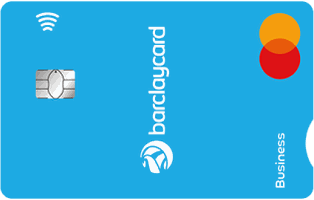 Barclaycard Select Cashback Business Credit CardHigh FX fee. Not recommended for overseas useRep. APR25.5% variableAnnual Fee£0
 Lloyds Bank Business Credit CardFX fee applies. Not a travel cardRep. APR15.95% variableAnnual Fee£32 per cardholder
 Funding Circle Cashback Business Credit CardNo FX fee: Visa exchange rate onlyRep. APR34.9% variableAnnual Fee£0
 Moss Business Credit CardSpend management tool, not a travel card