


If you run a UK SME and want to keep borrowing costs down while managing day-to-day spending, choosing the right business credit card is crucial.
This guide compares five leading business cards to help you see how their interest rates, fees, and features affect your cash flow.
Making a smart choice now can help your business avoid unnecessary debt costs and stay financially flexible.
At-a-Glance: The Best Low-Interest Business Credit Cards
Here’s a quick-reference table comparing key rates, fees, and features. Figures below are representative examples and are subject to status.
| Card & Provider | Rep. APR (variable) | Annual/Card Fee | Cashback/Rewards | Standout Feature | Link |
|---|---|---|---|---|---|
| Metro Bank Business Credit Card | 18.9% | £0 (no annual fee) | None | Simple single-rate pricing | Apply |
| HSBC Commercial Credit Card | 22% | £32 per card (waived for first year) | None | Identity theft helpline and fraud protections | Apply |
| Bank of Scotland Business Credit Card | 15.95% | £0 in 1st year, then £32 per cardholder (waived if spend ≥ £6,000 across all cards each year) | 1% fuel/EV charging, 0.5% other eligible spend (minimum spend threshold applies) | Low representative APR and cashback | Apply |
| Santander Business Cashback Credit Card | 23.7% | £30 annual account fee | 1% cashback on all business spend (no cap, T&Cs apply) | No foreign transaction fees on purchases abroad (local currency) | Apply |
| Barclaycard Select Cashback | 25.5% | £0 (no annual fee) | 1% cashback when you spend at least £2,000 per statement month (T&Cs apply) | Cashback with no annual fee | Apply |
Note: Interest-free periods on purchases vary by provider and apply if you pay your balance in full and on time. Always check the latest terms before applying.
Immediate Actions to Avoid Surprise Costs
Choosing a business credit card in a hurry can backfire if you overlook how interest, fees, and repayment terms work together. Even cards marketed as “low-interest” can become expensive if you miss key details.
When comparing cards, you should:
- Check eligibility (some cards may require an existing current account with the same bank).
- Review your monthly spending and whether you tend to carry a balance.
- Clarify minimum repayments and what happens if you do not clear the balance.
- Compare how interest-free purchase periods work for your card.
- Check charges for cash withdrawals and non-sterling transactions (if relevant).
- Understand whether you may be asked for a personal guarantee or other assurances, depending on the provider and business type.
Practical steps to take today:
- Use each provider’s eligibility checker, where available, to reduce avoidable applications.
- Double-check annual fees and any conditions for fee waivers.
- Prioritise features that match your business spend, not just the headline APR.
- Read the provider’s latest rates, fees, and key documents before applying.
The biggest mistake to avoid is focusing only on the headline APR without understanding fees and the rules that trigger interest.
Why Ongoing Interest Rates Matter More Than Intro Offers
Introductory offers can be useful, but they do not help if you end up paying higher costs later. If your business carries a balance month to month, your ongoing purchase rate and fees matter far more than anything short-term.
Annual fees, cash withdrawal charges, and foreign usage fees can all add to the true cost, sometimes outweighing the benefit of a slightly lower APR. If you pay in full every month, the interest rate matters less and day-to-day features (controls, expense management, and rewards) may become more important.
The safest approach is to decide which camp you are in:
- Pay in full most months: focus on fees, controls, and rewards.
- Carry a balance sometimes: focus on the representative APR, purchase rate, and total cost.
If you are unsure which way your cash flow will go over the next 6 to 12 months, assume you might carry a balance and choose accordingly.
The Best Low-Interest Business Credit Cards
MetroBank Business Credit Card
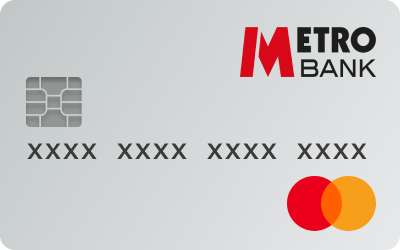
Metro Bank’s Business Credit Card keeps pricing simple. It offers a representative APR of 18.9% (variable) and does not charge an annual fee.
This can suit businesses that want straightforward costs without an annual charge. As with most business cards, you should expect cash withdrawals to attract fees and interest, and purchase interest-free periods to depend on paying the balance in full and on time.
A key practical point is that Metro Bank requires you to hold a Metro Bank Business Current Account to apply for the Business Credit Card. If you do not bank with Metro Bank already, factor in the friction of opening and running a current account before you shortlist the card.
If you are considering this card, always check the latest terms, fees, and eligibility rules directly with Metro Bank before applying.
HSBC Commercial Credit Card
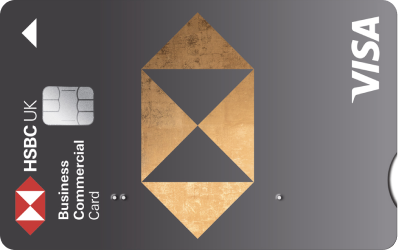
HSBC’s Commercial Credit Card has a representative APR of 22% variable, with a purchase rate of 15.9% p.a. (variable) in its representative example. The annual fee is £32 per card, waived for the first year.
HSBC also publishes key charges that matter if you ever need cash or spend in foreign currency:
- Cash fee: 2.99% (minimum £3)
- Non-sterling transaction fee: 2.99%
If your business mainly uses a card for purchases and you clear the balance regularly, the interest-free purchase period can be valuable. If you are more likely to withdraw cash or spend in foreign currencies, those fees can add up quickly.
Bank of Scotland Business Credit Card
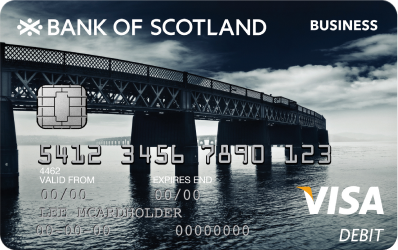
The Bank of Scotland Business Credit Card has a representative APR of 15.95% variable in its representative example, with a purchase rate of 14.9% p.a. (variable).
There is no annual fee in the first 12 months. After that, it is £32 per cardholder per year, unless you spend £6,000 or more across all cards each year, in which case the annual fees are waived.
It also offers cashback:
- 1% on fuel and electric vehicle charging
- 0.5% on other eligible purchases
(A minimum spend threshold applies.)
This card can be attractive if you sometimes carry a balance and also spend meaningfully on fuel or charging. If you always pay in full, the cashback and fee waiver conditions will matter more than the APR.
Santander Business Cashback Credit Card
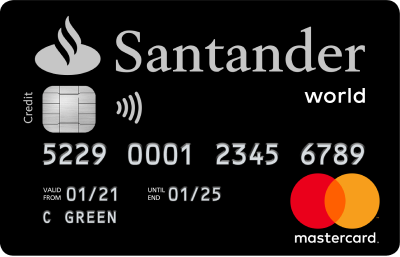
Santander’s Business Cashback Credit Card offers:
- 1% cashback on all business spend (no cap, T&Cs apply)
- No foreign transaction fees on purchases abroad when paying in the local currency
- Representative APR of 23.7% variable in its representative example
- £30 annual account fee
Santander also allows additional cardholders, up to a maximum of 4 cards in total (including directors/owners/partners who must have a card).
If your business spends internationally, the 0% foreign purchase fee can mean meaningful savings. Just keep an eye on other charges, such as cash transaction fees (3% minimum £3) and balance transfer fees (3% minimum £5), if you think you might use those features.
Barclaycard Business Select Credit Card
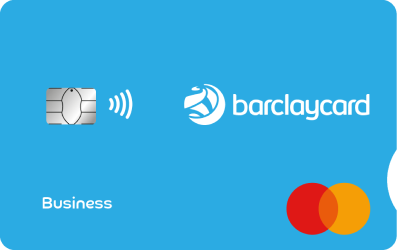
Barclaycard’s Select Cashback card has:
- Representative APR of 25.5% variable in its representative example
- No annual fee
- 1% cashback when you spend at least £2,000 per statement month (T&Cs apply)
This can work well for businesses that consistently spend at least £2,000 per month on the card and pay down balances promptly. If you tend to carry a balance, the higher APR means it is usually less cost-effective than genuinely lower-rate options.
Common Spending Scenarios: Revolving vs Paying in Full
If your business carries a balance each month, interest is charged, and costs can build quickly. If you pay the full statement balance by the due date, you may avoid purchase interest entirely and get more value from perks like cashback and controls.
A practical way to decide is to ask yourself:
- Will you reliably clear the balance each month for the next 6 to 12 months?
- If cash flow tightens, what is your “plan B” to avoid drifting into expensive revolving debt?
If you regularly revolve a balance, focus on the ongoing purchase rate and fees. If you clear in full, rewards and fee waivers matter more. Always track billing cycles and never miss minimum payments to avoid penalties or losing your interest-free period.
FAQs
Are these rates fixed or variable?
All five business credit cards reviewed here offer variable interest rates. This means your rate can change.
Will a personal guarantee be required?
Some providers may require a personal guarantee, depending on your business type and the provider’s underwriting. Always check the latest terms before applying.
Can new businesses with no credit history apply?
Yes, but approval depends on the provider’s assessment. Lenders may use the personal credit record of owners or directors if the business has little or no credit history.
What happens if I miss a payment?
Late payment fees can apply (for example, £12 on some business cards). Missed payments may also be reported and could affect future access to credit.
How do I avoid interest charges entirely?
Pay your closing balance in full and on time every month. Purchases are usually interest-free for a period when you do this, but cash advances typically incur interest immediately.
Will a business credit card affect my personal credit score?
Your personal credit record may be checked during the application. Ongoing reporting varies by provider and business type, and personal guarantees can create personal exposure if the business defaults.
How can I set limits for additional cardholders?
Most providers let you set spending limits for each cardholder. This is often managed online, in-app, or by contacting customer service.
Making the Final Choice: One Clear Next Step
To protect your business’s cash flow, choose the card that matches how you actually use credit: paying in full, or carrying a balance some months. Before you apply, check each provider’s current rates, fees, and eligibility rules, as these can change.
If you are unsure, shortlist two cards and do a quick “real cost” comparison:
- annual fee (and waiver conditions)
- expected cashback based on your spend
- the APR you are likely to pay if you carry a balance
- any fees you might realistically trigger (foreign spend, cash, missed payments)
This article is for general information, not financial advice. If you are making a high-stakes borrowing decision or your business is under cash flow pressure, consider speaking to a regulated finance professional before applying.